AML Compliance for Prepaid Card Companies: What You Need to Know
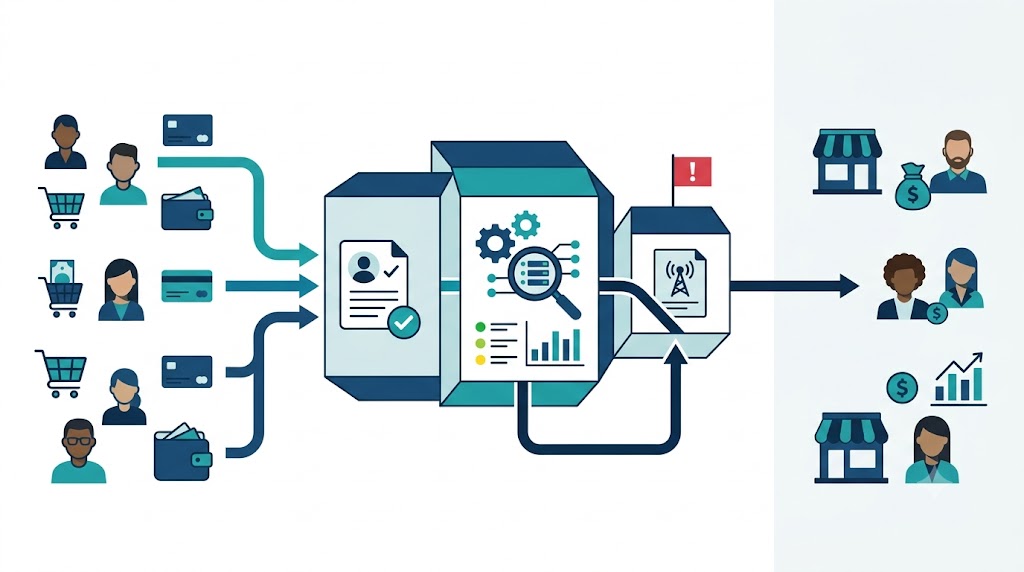
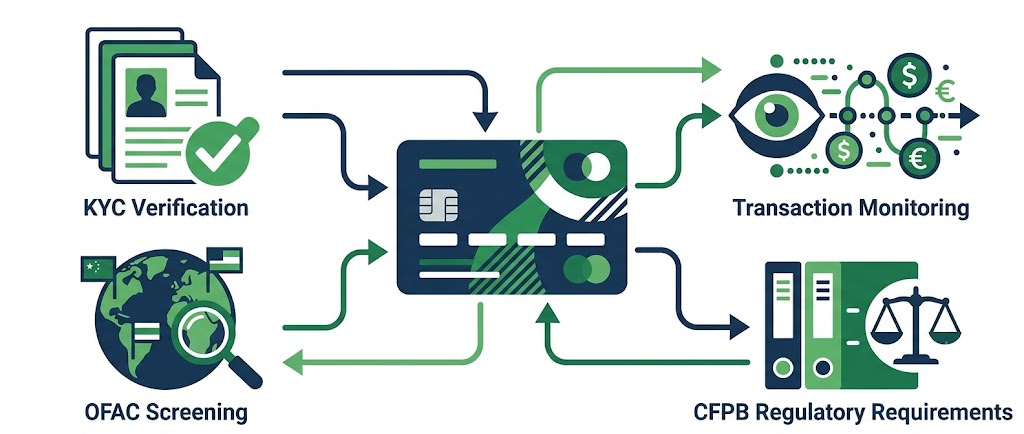
Prepaid card companies face AML obligations as MSBs plus CFPB consumer protection requirements. Here is what AML compliance requires for prepaid card issuers and program managers.
Stay ahead of compliance trends, regulatory updates, and industry best practices curated for modern fintechs.
Prepaid card companies face AML obligations as MSBs plus CFPB consumer protection requirements. Here is what AML compliance requires for prepaid card issuers and program managers.
Peer-to-peer payment platforms carry elevated AML risk due to direct consumer-to-consumer fund movement. Here is what AML compliance requires for P2P platforms and how to build an effective program.
Neobanks face the same AML obligations as traditional banks but must build their compliance infrastructure independently. Here is what neobank AML compliance requires and how to build it effectively.
Marketplace platforms that hold and disburse payments face specific AML compliance obligations. Here is what marketplace AML compliance requires and how the compliance framework applies to platform payment models.
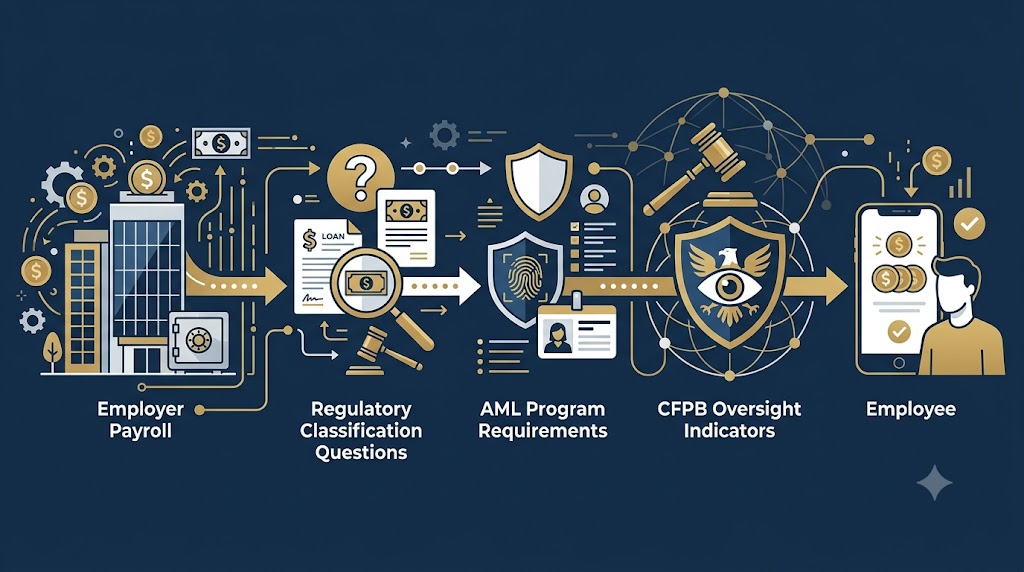
Earned wage access companies face evolving AML compliance questions as regulators determine whether EWA products are loans or money transmission. Here is the current compliance picture for EWA fintechs.
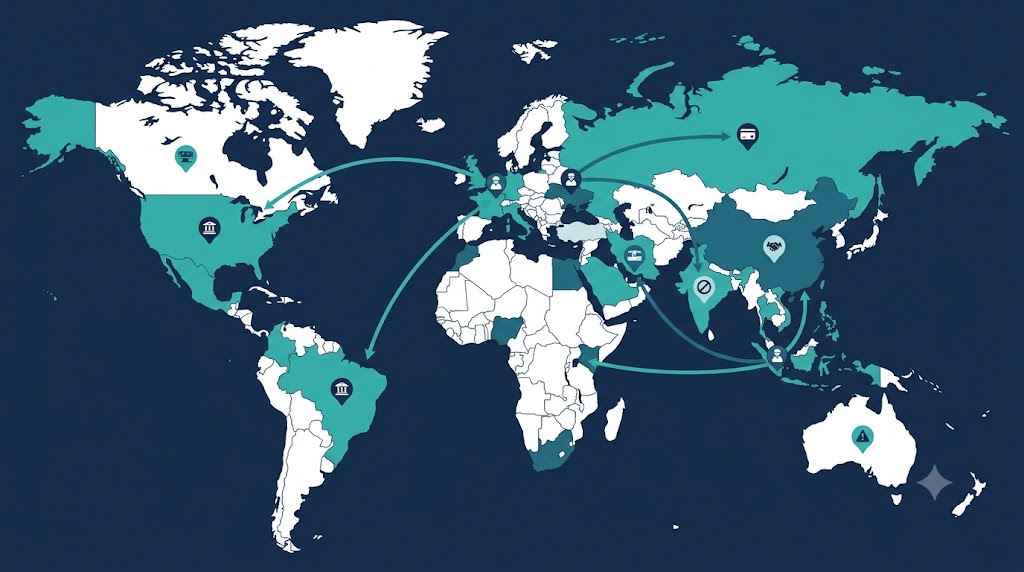
Cross-border payments carry elevated AML risk due to geographic exposure, sanctions complexity, and the difficulty of verifying foreign counterparties. Here is what cross-border payment AML compliance requires.
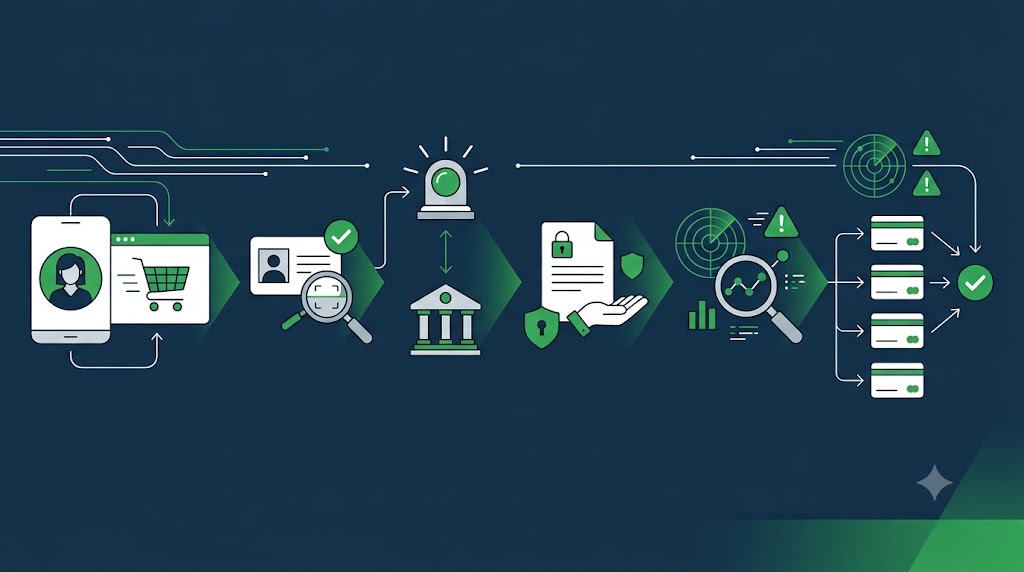
BNPL companies face AML obligations that depend on their product structure. Here is what AML compliance requires for BNPL fintechs, what triggers BSA obligations, and how to build a compliant program.
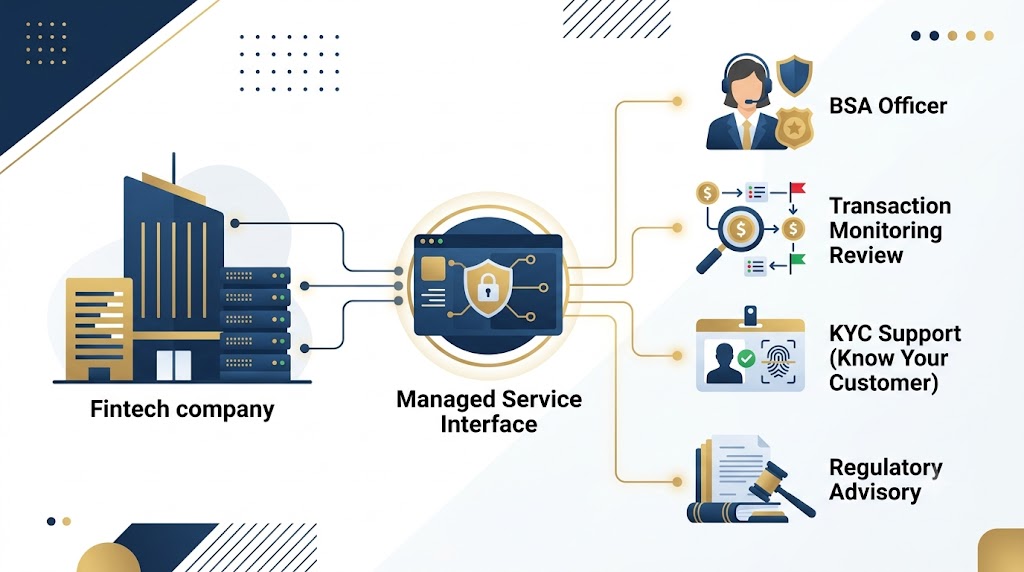
Compliance as a Service allows fintechs to outsource specific compliance functions to specialized providers. Here is what CaaS covers, when it makes sense, and how to evaluate providers.
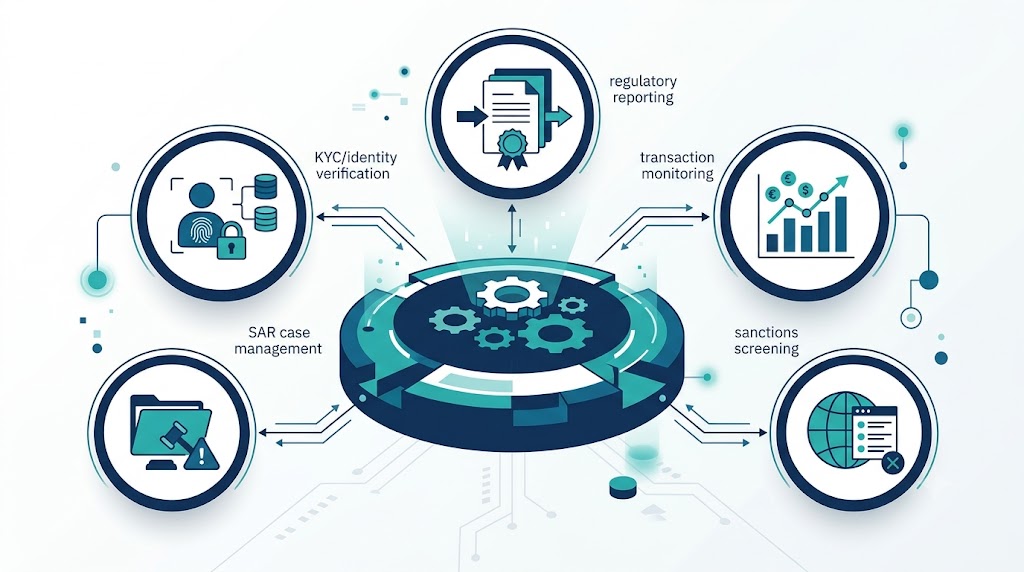
Compliance technology — RegTech — encompasses the software platforms and tools that help fintechs meet their regulatory obligations. Here is what compliance technology covers, what categories matter, and how to evaluate options.