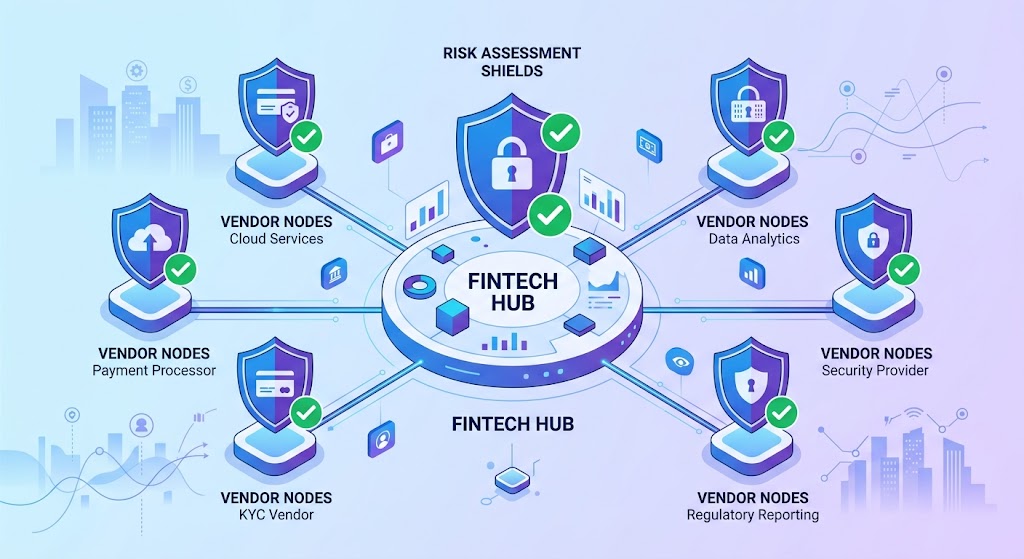
Compliance technology — RegTech — encompasses the software platforms and tools that help fintechs meet their regulatory obligations. Here is what compliance technology covers, what categories matter, and how to evaluate options.
What Is Compliance Technology? A Guide for Fintech Founders
Compliance technology — also called RegTech, short for Regulatory Technology — refers to the software platforms and tools that help financial institutions meet their regulatory obligations more efficiently, accurately, and cost-effectively than manual processes allow.
For fintechs, compliance technology is not an optional enhancement — it is operationally necessary. At any meaningful transaction volume, running a compliant AML program without technology is not feasible.
The Major Categories of Compliance Technology
Identity Verification and KYC Technology
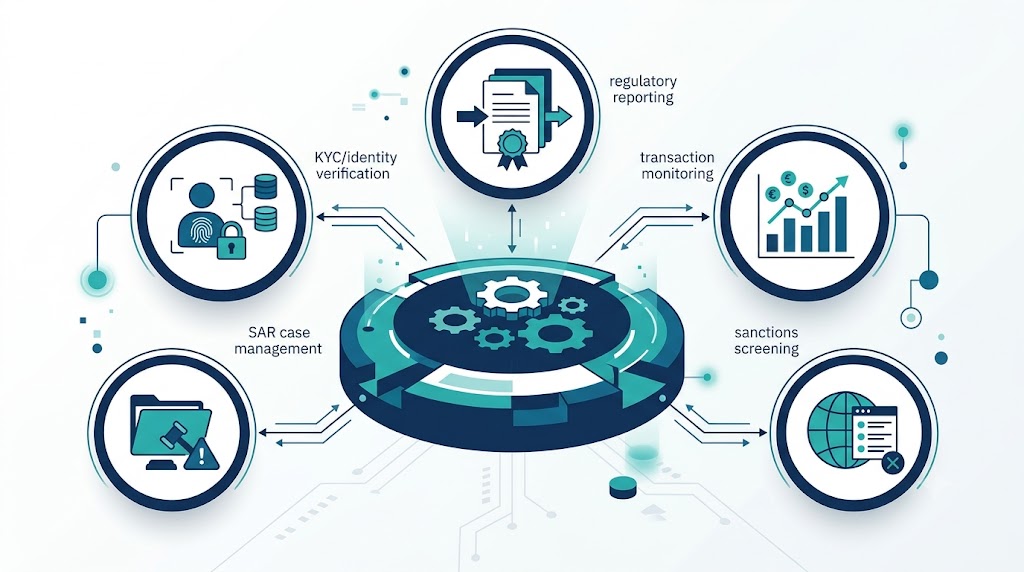
Platforms that automate the customer identification process at onboarding — document verification, biometric checking, database verification, PEP and sanctions screening, and risk scoring. These platforms execute the Customer Identification Program requirements automatically and generate the audit trail needed for BSA examination. For guidance on evaluating these platforms, see our guide on choosing a KYC provider.
Transaction Monitoring Platforms
Software that applies rules and behavioral models to customer transactions continuously, generating alerts when activity meets defined criteria. Includes alert management workflows, investigation documentation, and SAR filing integration. For more on how these systems work, see our guide on transaction monitoring.
Sanctions Screening Tools
Dedicated platforms for checking customers and transaction counterparties against OFAC's SDN List and other government sanctions lists, with fuzzy matching capability and automated re-screening when lists update.
Case Management and SAR Filing Systems
Platforms for managing the full lifecycle of suspicious activity investigations — from initial alert through investigation, SAR decision, and FinCEN filing. Includes deadline tracking to ensure 30-day filing windows are met.
AML Policy and Risk Assessment Management
Document management and workflow tools for maintaining AML policies, tracking risk assessment updates, managing version control, and documenting approval processes.
Training Management Systems
Learning management systems tracking AML training assignments, completions, assessment scores, and documentation for compliance purposes.
Blockchain Analytics
Specific to crypto companies — platforms that analyze on-chain transaction history to identify wallet addresses associated with illicit activity, providing risk intelligence unique to virtual asset businesses.
How to Evaluate Compliance Technology
The most important evaluation criterion is fitness for your specific business. Technology built for traditional banks may not reflect the transaction patterns, customer profiles, or risk characteristics of a fintech. Confirm that the platform's assumptions match your actual operation.
Audit trail completeness is the second most critical criterion. In an examination, you produce documentation from your compliance systems. What that documentation looks like — how complete, specific, and retrievable it is — determines how well your program holds up under scrutiny.
Configurability matters because your risk profile is not generic. Rules must be tunable. Screening thresholds must be adjustable. Workflow steps must be configurable. A platform that cannot be adapted to your specific needs will either generate too many false positives or miss legitimate risks. For a comprehensive guide to evaluating AML compliance software, including a detailed evaluation framework, see our buyers guide. See also our guide to BSA compliance software for fintech-specific considerations.
The Build vs Buy Decision
Most fintechs buy rather than build compliance technology. Building proprietary compliance systems requires significant engineering resources, compliance domain expertise in the engineering team, and ongoing maintenance as regulations change. Buying provides faster time to compliance, proven audit trails, and vendors who stay current with regulatory changes.
Some large fintechs build proprietary systems as they scale and their needs become highly specific. Early and growth stage fintechs almost universally benefit more from buying than building.
Frequently Asked Questions
Is compliance technology the same as a compliance program?
No. Compliance technology executes and documents compliance controls — but the compliance program includes the policies, procedures, governance, and human judgment that technology supports. Technology is a tool that enables a compliance program to function operationally. It does not replace the program design, decision-making, or oversight that the program requires.
How ComplyOne Helps
ComplyOne offers compliance technology and advisory expertise to help fintechs select, implement, and operate the right compliance technology for their stage and business model — through compliance technology, advisory services, or both.
Talk to the ComplyOne team to get started.
The information in this article is for general educational purposes and does not constitute legal or regulatory advice. Consult a qualified compliance professional for guidance specific to your situation.