Choosing BSA compliance software is one of the most consequential technology decisions a fintech makes. Here is what features matter, what questions to ask vendors, and what regulators actually expect from your tech stack.
BSA Compliance Software: What Fintechs Need to Know Before Buying
When you are building a fintech compliance program, one of the first practical questions you will face is: what technology do we actually need?
BSA compliance is not a manual operation. The volume of transactions, customers, and regulatory touchpoints a growing fintech manages makes software not just helpful — but operationally essential. The right compliance technology lets your team work efficiently, maintain complete audit trails, and demonstrate to regulators and sponsor banks that your controls are genuinely running — not just documented.
But the compliance technology market is crowded, terminology is inconsistent across vendors, and buying the wrong tool is expensive and disruptive to fix. This guide explains what BSA compliance software actually does, what features matter for fintechs specifically, and what questions to ask before you commit to a platform.
What Is BSA Compliance Software?
BSA compliance software is technology purpose-built to help financial institutions and fintech companies meet their Bank Secrecy Act obligations. It typically covers some combination of the following core functions:
— KYC and Identity Verification — automating customer identity verification at onboarding
— Transaction Monitoring — detecting suspicious activity patterns in real time across all accounts
— Sanctions Screening — checking customers and transaction counterparties against OFAC and other government watchlists
— Case Management — organizing and tracking alert investigations and SAR filing workflows
— Regulatory Reporting — generating the documentation and audit trails required for examinations and audits
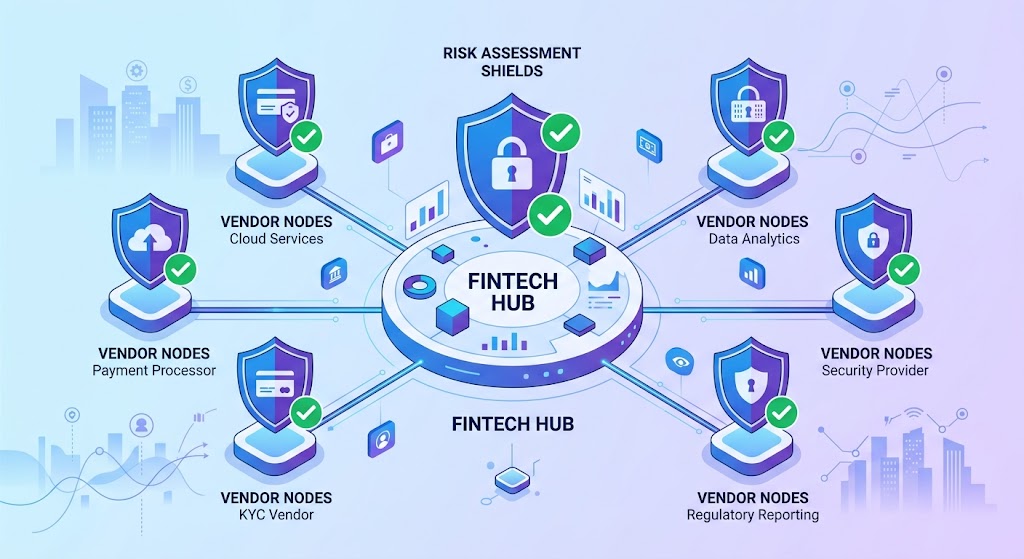
Some platforms deliver all of these functions in a single integrated compliance suite. Others specialize in one function — identity verification or transaction monitoring, for example — and are designed to integrate with complementary tools. Neither approach is inherently better — the right architecture depends on your specific product, team, and compliance infrastructure.
Why Compliance Technology Is Not Optional
FinCEN does not prescribe specific technology platforms. But it does require that your AML program be operational, consistent, and effective — and at any meaningful transaction volume, that is impossible to deliver manually.
Consider the operational reality at scale: reviewing potentially thousands of transactions daily for suspicious patterns, screening every new customer and ongoing transaction against sanctions lists that update multiple times per week, filing SARs accurately within 30-day deadlines, and maintaining five years of retrievable documentation for every alert reviewed. No compliance team can execute this manually at growth-stage volumes without technology.
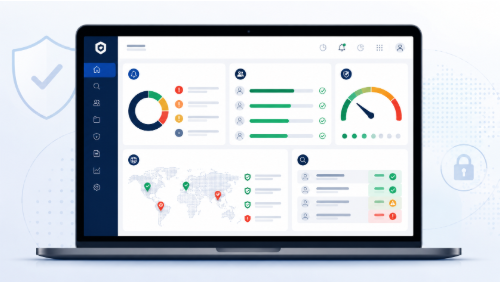
Beyond operational capacity, technology is what makes your program auditable. Compliance software creates timestamped, immutable records of every screening event, every alert generated, every investigation conducted, and every SAR filed. That audit trail is exactly what you produce when regulators or sponsor banks examine your program.
The Core Functions — What Your Fintech Actually Needs
KYC and Identity Verification
Your compliance software must support your Customer Identification Program — the BSA-required process of collecting and verifying customer identity at onboarding. This is typically your first compliance touchpoint in the customer journey.
Key capabilities:
— Document verification — scanning, authenticity checking, and data extraction from government-issued ID documents
— Biometric verification — liveness detection and facial matching against ID document photographs
— Database verification — cross-referencing identity information against authoritative identity and credit databases
— PEP screening — checking customers against Politically Exposed Persons databases at onboarding
— Adverse media screening — checking customers against negative news databases
— Beneficial ownership collection and verification — for business customers undergoing KYB review
— Automated risk scoring — assigning each customer a risk tier based on onboarding data to drive CDD decisions
Sanctions Screening
Every customer and relevant transaction counterparty must be screened against OFAC's Specially Designated Nationals list and other applicable sanctions lists — at onboarding and on an ongoing basis as lists are updated.
Key capabilities:
— Real-time screening against OFAC SDN list, OFAC consolidated list, and applicable PEP databases
— Fuzzy matching algorithms — catching name variations, alternate spellings, and transliterations from non-Latin scripts
— Automatic re-screening of the customer base when watchlists are updated
— Complete timestamped documentation of every screening event and outcome
— A defined workflow for reviewing potential hits and clearing confirmed false positives with documented rationale
Transaction Monitoring
Your monitoring platform needs to run continuously across all customer accounts and transactions, generating alerts when activity meets defined suspicious activity criteria.
Key capabilities:
— Fully customizable rule libraries — the ability to configure and tune rules for your specific risk profile
— Alert management workflow — queue organization, analyst assignment, priority ranking, and SLA tracking
— Complete audit trail — every alert, every review decision, every outcome documented with timestamps
— Integrated SAR filing workflow — seamless escalation from alert to SAR case without manual handoff
— Management reporting on alert volumes, false positive rates, review timelines, and disposition outcomes for ongoing program oversight and regulatory examination
Case Management and SAR Filing
When an alert escalates to a suspicious activity investigation, you need a system to manage the full case lifecycle and produce the FinCEN SAR filing.
Key capabilities:
— Case creation linked to triggering alert with full transaction history attached
— Evidence attachment — adding transaction records, account history, screenshots, and investigation notes to the case file
— SAR narrative drafting support or templates to improve consistency and completeness
— Direct integration with FinCEN's BSA E-Filing System or compliant export in required format
— Filing deadline tracking with automated reminders to ensure the 30-day window is met
Questions Every Fintech Should Ask Before Buying
Is this platform built for my specific business model? Some compliance platforms are designed for traditional banks and their assumptions — around transaction types, customer profiles, and regulatory frameworks — may not translate well to fintechs, MSBs, crypto companies, or prepaid card issuers. Verify that the platform's design matches your actual operation.
How customizable are the monitoring rules? Pre-built rule libraries are a useful starting point, not a finished compliance product. You must be able to configure and tune rules to your specific risk environment. Ask exactly how customization works, who does it, and how rule changes are documented and approved.
What does the complete audit trail look like in practice? Before committing, ask the vendor to walk you through what documentation looks like for a specific alert from generation through resolution, including a SAR filing. What you see is what you will produce in a FinCEN examination.
How does the platform manage false positives? High false positive rates create dangerous alert backlogs and burn out compliance teams. Ask for data on typical false positive rates for customers with a similar profile to your business, and understand how the platform helps you tune rules to reduce them over time.
What does implementation actually involve from your team? Some platforms are genuinely rapid to deploy. Others involve significant engineering integration work from your technology team. Understand the full implementation timeline and resource requirements before signing.
How does pricing scale with your growth? Many compliance platforms price by transaction volume, monthly active users, or customer count. Model your costs at current volume, at 5x current volume, and at 20x current volume to understand the full pricing trajectory before committing.
What support does the vendor provide during examinations? Some compliance technology vendors provide active support when their customers face regulatory examinations or sponsor bank reviews. This is a material differentiator for early-stage fintechs navigating their first examination.
What Regulators and Sponsor Banks Actually Evaluate
Regulators do not evaluate your compliance technology by vendor brand name or software category. They evaluate whether your compliance controls are working. Specifically:
— Are alerts being generated by your monitoring system and reviewed within defined timelines?
— Is alert investigation documentation complete, specific, and retrievable?
— Are SARs being filed accurately and within the 30-day deadline?
— Is sanctions screening happening at onboarding and on an ongoing basis for existing customers?
— Is your entire compliance record — alerts, investigations, SARs, screening events — available for examination?
When your sponsor bank conducts a compliance review, they will ask to see your compliance technology stack and observe how it operates. A well-configured, actively used platform with clean audit trails is one of the strongest signals of a mature, functional compliance program.
Frequently Asked Questions
Do small or early-stage fintechs need BSA compliance software?
Yes. The BSA does not provide exemptions based on company size or stage. If you are required to have an AML program — which most fintechs are — that program must be operational and effective. At even modest transaction volumes, manual compliance processes create dangerous gaps. The right compliance technology can be cost-effective even at early stage and scales with your business.
What is the difference between a compliance platform and a KYC provider?
A KYC provider typically focuses on identity verification at onboarding — document verification, biometric checks, and database screening. A compliance platform is broader, covering the full BSA compliance workflow including transaction monitoring, case management, sanctions screening, and SAR filing. Some providers offer both; others specialize in one. Understanding which you need — and how they integrate — is an important part of your technology evaluation.
Can fintechs use multiple compliance tools instead of a single platform?
Yes — many fintechs use a best-of-breed approach with separate providers for identity verification, transaction monitoring, and sanctions screening. This can provide best-in-class capability in each area but requires careful integration to ensure data flows correctly and audit trails are complete across systems. A single integrated platform simplifies compliance management but may involve trade-offs in capability depth.
How ComplyOne Helps
ComplyOne offers both the compliance technology and the advisory expertise to help fintechs evaluate, select, implement, and operate BSA compliance software effectively. We help you identify what you actually need, configure it correctly for your risk profile, and build the operational workflows that make compliance technology genuinely work — not just exist on your tech stack.
Talk to the ComplyOne team to get started.
The information in this article is for general educational purposes and does not constitute legal or regulatory advice. Compliance requirements vary based on your business model, jurisdiction, and regulatory relationships. Consult a qualified compliance professional for guidance specific to your situation.