A practical breakdown of what a fintech compliance program actually includes — AML, KYC, sanctions screening, BSA requirements, and the steps to build one from scratch.
What Is a Fintech Compliance Program? (And How to Build One)
If you're building a fintech, payments company, crypto startup, or any business that moves money, you've probably heard the phrase "compliance program" thrown around in bank meetings, investor calls, and onboarding conversations.
And if we're being honest — it can sound intimidating.
So here's the plain-English answer: a fintech compliance program is a documented, operational framework that ensures your company meets U.S. regulatory requirements — covering AML policies, KYC procedures, sanctions screening, transaction monitoring, staff training, and recordkeeping. It's not just a document that sits in a folder. It's the living system that shows regulators, sponsor banks, and partners that your business is built to operate responsibly.
One common misconception founders have is thinking compliance is just a policy document. A policy explains what you intend to do. A compliance program shows how you actually do it — day in and day out.
This article breaks down exactly what a fintech compliance program includes, what sponsor banks look for, and how to start building one.
Why Fintech Companies Need a Compliance Program
Compliance isn't optional in financial services — it's the price of entry.
Here's what's actually at stake if you don't have a structured program in place:
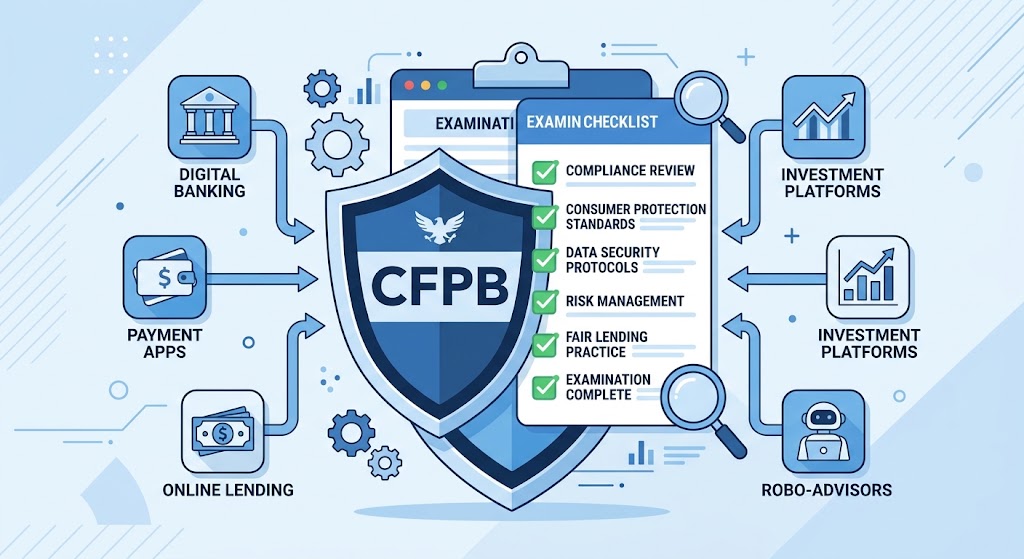
Regulators will come knocking. The Financial Crimes Enforcement Network (FinCEN), the CFPB, and state regulators all have the authority to examine your compliance controls. If you can't demonstrate that real systems are in place, you're exposed to fines, enforcement actions, and in serious cases, loss of operating licenses.
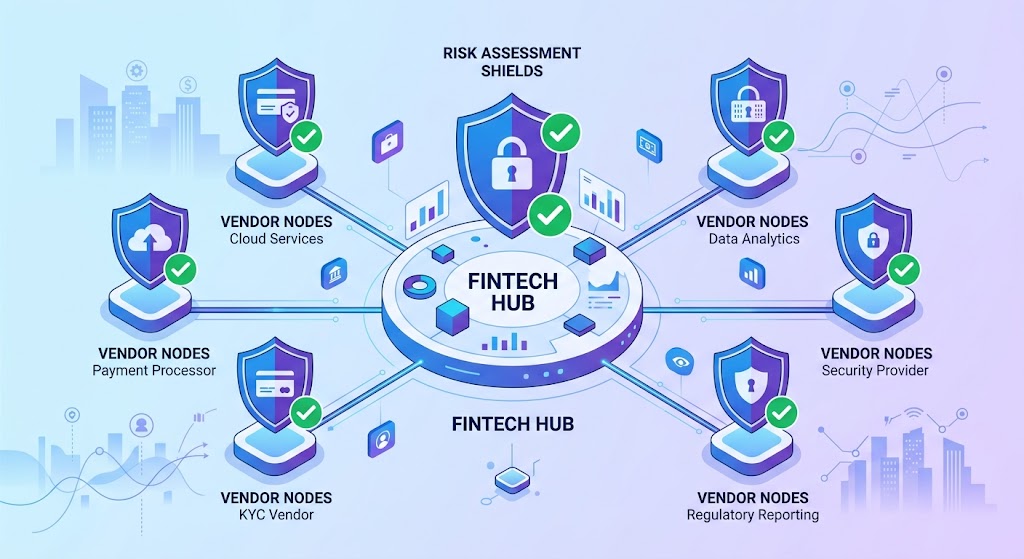
Sponsor banks won't work with you. If your business relies on a bank sponsor to issue cards, hold funds, or process payments, that bank will require you to have a documented compliance program before going live — and they'll audit it regularly. No program means no partnership.
Investors and partners will flag it in due diligence. As you raise money or negotiate enterprise deals, compliance gaps surface quickly. A well-structured program is a trust signal. The absence of one is a red flag.
Growth becomes harder without structure. More customers, more volume, new products, new geographies — all of that increases regulatory complexity. Building your compliance program early makes scaling dramatically easier later.
The 5 Core Components of a Fintech Compliance Program
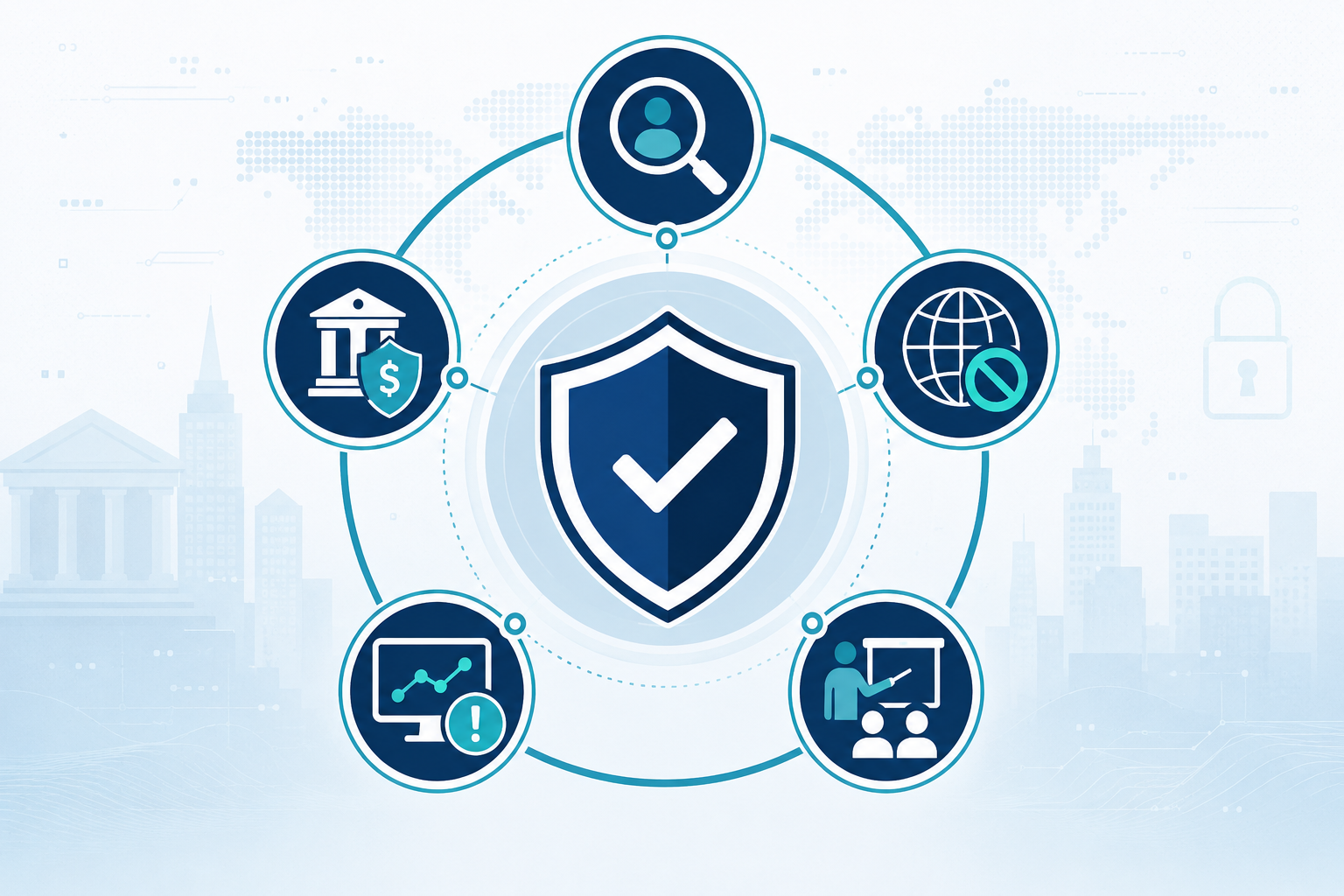
Every fintech compliance program is different depending on your business model, products, and risk profile. But in U.S. financial services, there are five components that form the foundation of any credible program.
1. AML Policies and Procedures
Anti-money laundering (AML) policies are typically the backbone of a fintech compliance program. At a minimum, your AML program must be written, approved by senior management, and cover how your business detects, investigates, and reports suspicious financial activity.
For most fintechs operating under the Bank Secrecy Act (BSA), this means having a formal AML program with four core elements — often called the "four pillars": internal controls, a designated compliance officer, ongoing training, and independent testing.
2. KYC/KYB and Customer Due Diligence
KYC/KYB and Customer Due Diligence procedures are how you verify the identity of the people and entities using your platform. This isn't just good practice — it's a regulatory requirement for most financial services businesses.
Customer Due Diligence (CDD) goes a step further. It means understanding who your customers are, what they're expected to do on your platform, and flagging activity that falls outside that profile. For higher-risk customers, Enhanced Due Diligence (EDD) may be required.
3. Sanctions Screening
Your compliance program needs a process for screening customers, transactions, and counterparties against OFAC's Specially Designated Nationals (SDN) list and other sanctions lists. Doing business with a sanctioned individual or entity — even unknowingly — can result in severe penalties.
Sanctions Screening should happen at onboarding and on an ongoing basis as lists are updated.
4. Transaction Monitoring
Once customers are onboarded, your program needs controls to monitor their activity over time. Transaction monitoring means setting rules or thresholds that flag unusual behavior — large cash movements, rapid fund transfers, patterns inconsistent with a customer's stated purpose.
Flagged transactions feed into your investigation and SAR (Suspicious Activity Report) filing process, which is a legal obligation under the BSA for many fintech businesses.
5. Compliance Training
Your compliance program is only as strong as the people responsible for running it. All relevant staff — not just your compliance team — need to understand their obligations. Annual BSA/AML training is a regulatory requirement for most financial services businesses, and sponsor banks will ask for evidence that it's happening.
Training should be role-specific, documented, and refreshed whenever regulations or internal policies change.
What Sponsor Banks Actually Look For
If your fintech relies on a sponsor bank — and most do — passing their compliance review is one of the most important things your program needs to accomplish.
Here's what sponsor banks typically evaluate:
- Written policies that match your actual operations. A policy that describes a process you don't actually follow is worse than no policy at all. Banks look for alignment between documentation and reality.
- A named compliance owner. Someone has to be accountable. Whether that's a full-time Chief Compliance Officer or a founder wearing the compliance hat, banks want a name attached to the program.
- Evidence of monitoring and controls. Policies alone aren't enough. Banks want to see that your KYC, transaction monitoring, and sanctions screening are actually running — not just planned.
- BSA/AML program documentation. For any fintech touching payments, the sponsor bank will want to see a formal BSA/AML program document that covers all four pillars.
- Audit and testing history. Even at an early stage, banks want to know that someone is reviewing your controls for gaps, and that you have a process for fixing what you find.
The more organized and documented your program is, the faster and smoother the bank onboarding process will be.
How to Build a Fintech Compliance Program
Building a compliance program from scratch doesn't have to be overwhelming. It's a series of concrete steps that build on each other.
Step 1: Conduct a Risk Assessment
Before you write a single policy, understand what risks your specific business model creates. What products do you offer? Who are your customers? What geographies do you operate in? Your risk profile shapes everything else.
Step 2: Write Your Core Policies
Start with the essentials — your AML policies and procedures, KYC/CDD procedures, sanctions screening policy, transaction monitoring guidelines and state money transmitter licenses . These should be written clearly, approved by leadership, and reviewed at least annually.
Step 3: Implement Your Controls
Policies need technology and process behind them. This means choosing a KYC/identity verification provider, setting up sanctions screening, configuring transaction monitoring rules, and establishing your SAR filing process.
Step 4: Train Your Team
Document who receives training, what it covers, and when it was completed. This is non-negotiable for both regulatory and sponsor bank purposes.
Step 5: Test, Audit, and Update
Your program needs independent testing at least annually — whether that's an internal audit function or an outside compliance consultant. Testing surfaces gaps before regulators or banks do.
How ComplyOne Helps
Building and maintaining a fintech compliance program takes time, expertise, and ongoing attention — especially as your business grows and regulations evolve.
ComplyOne works with fintechs, payments companies, and money services businesses to build compliance programs that are practical, regulator-ready, and built to scale. From AML policy drafting to KYC process design to sponsor bank prep, we help you build the structure that keeps your business moving forward.
Talk to the ComplyOne team to get started.
The information in this article is for general educational purposes and does not constitute legal or regulatory advice. Consult a qualified compliance professional for guidance specific to your situation.