Compliance isn't optional in financial services. Here's why fintechs need a structured compliance program — and what's actually at risk if you don't have one.
Why Fintechs Need a Compliance Program (And What Happens Without One)
Building a fintech is hard enough. Compliance probably wasn't the reason you started your company.
You're focused on product, growth, customers, and shipping features. But the moment your business starts onboarding users or moving funds, you enter a regulated world — and in that world, fintech compliance requirements apply to you whether you're a five-person startup or a scaled platform.
This isn't about bureaucracy. It's about what's actually at risk when you don't have structure in place — and why building a fintech compliance program early is one of the most important things a fintech founder can do.
The Regulatory Reality for Fintech Companies
Financial services is one of the most heavily regulated industries in the United States. And unlike some industries where regulations are loosely enforced for startups, fintech is not a space where regulators give early-stage companies a pass.
The expectation from day one is structure — not perfection, but structure.
Regulators want to see that you understand your risks and have a documented system for managing them. That system is your compliance program. It shows you've thought through how customers are verified, how transactions are monitored, how suspicious activity is handled, and who inside your company is accountable for all of it.
Key Regulations That Apply to Most Fintechs
Depending on your business model and the products you offer, one or more of the following regulatory frameworks will apply to your company:
- Bank Secrecy Act — Requires financial institutions and many fintech businesses to maintain AML programs, file Suspicious Activity Reports (SARs), and keep specific records.
- Anti-Money Laundering Rules — FinCEN regulations require covered businesses to have written AML policies, a designated compliance officer, ongoing training, and independent testing.
- OFAC Sanctions Requirements — All U.S. businesses are prohibited from transacting with sanctioned individuals, entities, or countries. Compliance requires active screening processes.
- State Licensing Frameworks — Depending on your product and the states you operate in, you may need money transmitter licenses or other state-level registrations — each with their own compliance requirements.
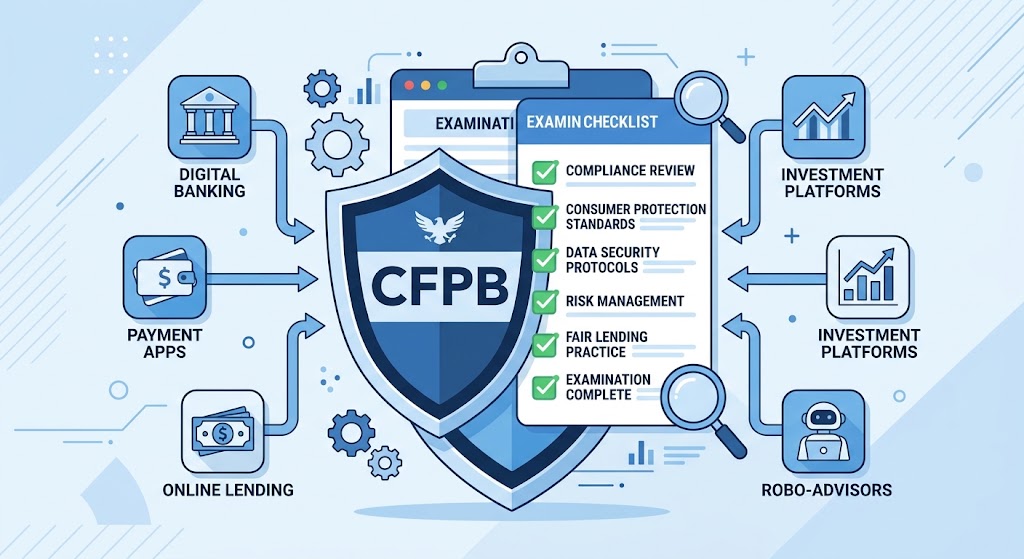
- CFPB Regulations — If your product touches consumer lending, payments, or deposit products, the Consumer Financial Protection Bureau's rules around fair treatment, disclosures, and error resolution apply.
Not every rule applies to every fintech — but identifying which ones apply to you and building controls around them is the entire point of a compliance program.
Your Sponsor Bank Is Watching (Because They Have To)
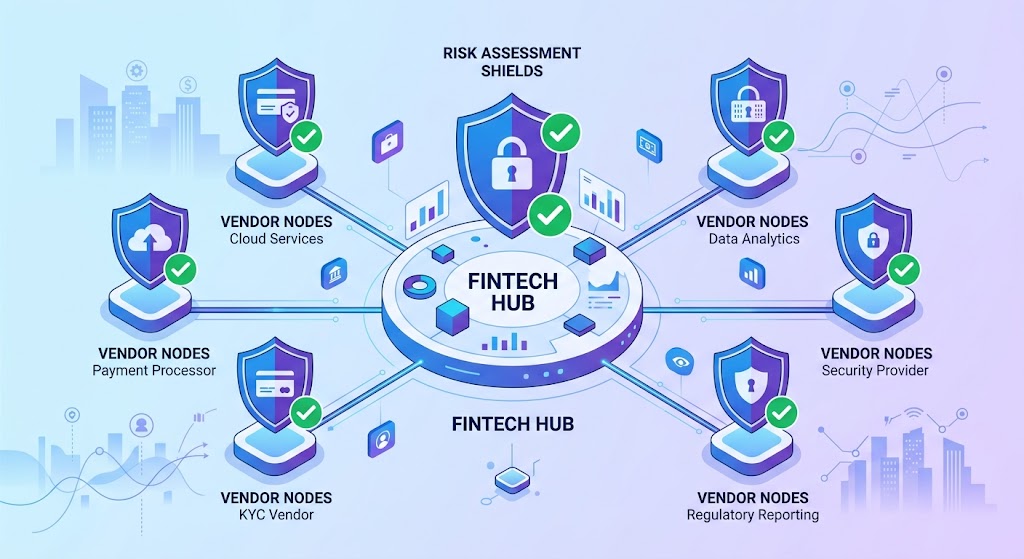
Most fintechs don't have their own bank charter. They rely on sponsor banks — regulated financial institutions that sit behind the product and provide access to payment rails, accounts, and card issuance.
That relationship comes with responsibility on both sides.
From your sponsor bank's perspective, your growth increases their regulatory exposure. Every customer you onboard, every transaction you process, every product you launch — all of it flows through them. That means they are legally required to oversee your compliance program, and they take that obligation seriously.
When your compliance program is documented, organized, and actively maintained, your relationship with your sponsor bank becomes collaborative. You can answer their questions confidently, pass their audits without scrambling, and build the kind of trust that supports faster product approvals and a more stable partnership.
When it isn't? Banks terminate relationships. Sometimes with very little notice.
Losing a sponsor bank mid-growth is one of the most disruptive things that can happen to a fintech. It stalls operations, forces emergency pivots, and signals risk to every future banking partner you approach. A solid fintech compliance program is the most direct way to prevent it.
Investors Now Treat Compliance as a Signal
Compliance used to be something founders worried about "later." That's changed significantly.
Institutional investors — especially those backing fintechs — now conduct meaningful compliance due diligence as part of their process. They want to understand your regulatory exposure, your governance structure, and whether the company has real controls in place or is operating on good intentions.
A documented, operational AML compliance program signals maturity. It tells investors that you're building infrastructure, not just features — and that you've thought about what could go wrong, not just what could go right.
Increasingly, the absence of a compliance program isn't just a risk flag. It's a dealbreaker.
The Real Cost of Not Having a Compliance Program
Here's what founders often underestimate: compliance failures don't just result in fines. They result in operational disruption at the worst possible time.
Without a compliance program, you're exposed to:
- Regulatory enforcement actions — FinCEN, the CFPB, and state regulators have the authority to issue fines, require remediation, and in serious cases restrict or suspend your ability to operate.
- Sponsor bank termination — Banks can and do exit relationships when compliance controls are missing or inadequate.
- Reputational damage — Public enforcement actions and regulatory scrutiny follow companies for years. In a trust-dependent industry like fintech, reputation is infrastructure.
- Loss of payment rail access — Card networks and payment processors have their own compliance standards. Violations can result in loss of access to the rails your product depends on.
- Investor and partner withdrawal — Once a compliance failure surfaces during due diligence or in the press, deals fall apart.
None of these are theoretical. They happen to fintech companies at every stage — including well-funded ones.
What a Compliance Program Actually Protects
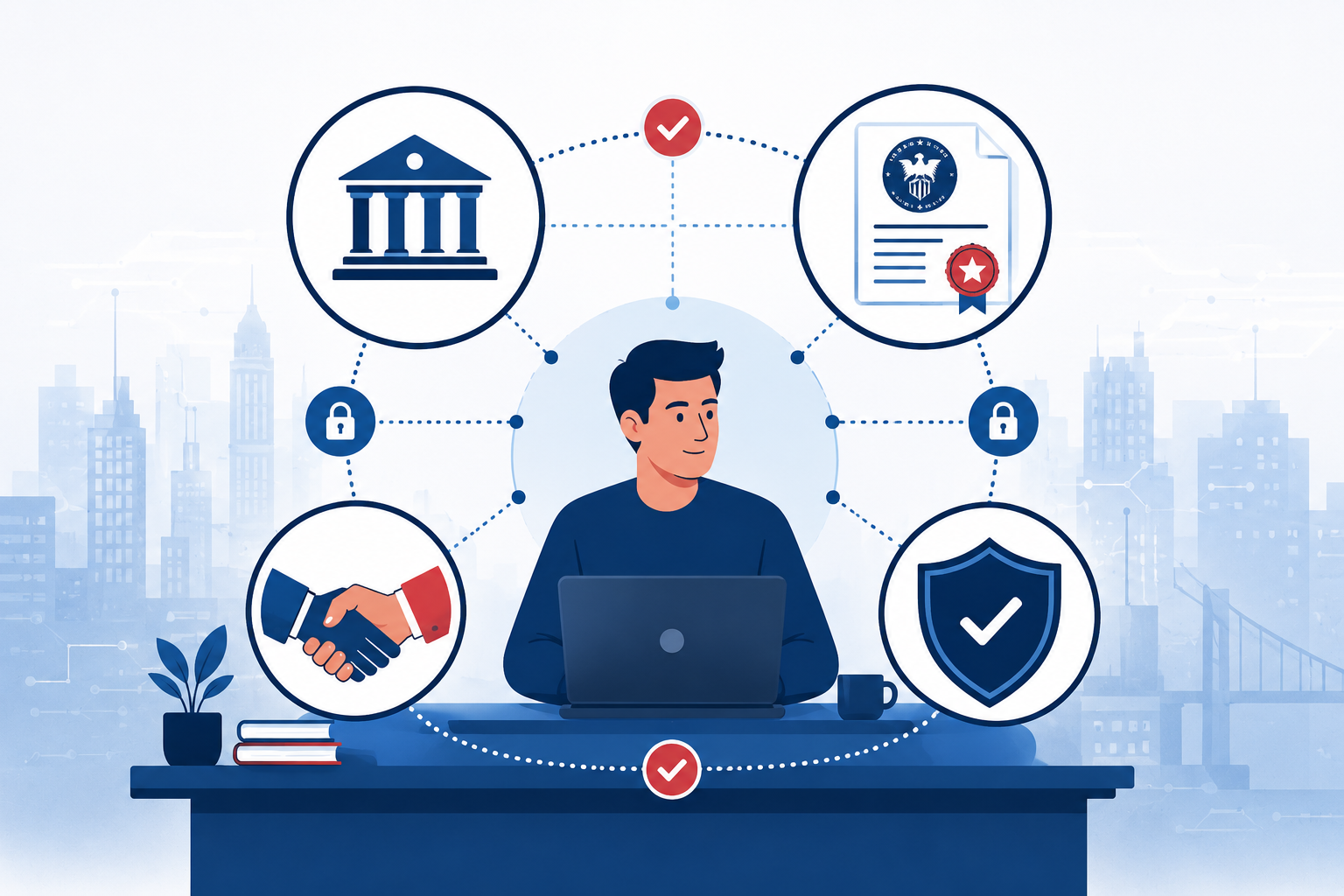
A well-built compliance program protects four things that took enormous effort to build:
- Your product. Compliance controls keep your platform from being exploited for money laundering, fraud, or sanctions violations — which protects the integrity of what you've built.
- Your customers. Proper KYC, fraud monitoring, and consumer protection practices mean your customers are treated fairly and their accounts are secure.
- Your banking relationships. Sponsor banks stay when they trust you. Compliance is the foundation of that trust.
- Your ability to scale. Every new product, new geography, or new customer segment brings new regulatory complexity. A structured program makes expansion manageable instead of chaotic.
Strong compliance doesn't slow you down. It gives you the foundation to grow without constantly looking over your shoulder.
When Should a Fintech Build a Compliance Program?
The honest answer: before you launch.
The practical answer: as early as possible, even if it's not perfect yet.
A common mistake is waiting until a sponsor bank asks for documentation or a regulator sends a request. At that point, you're building under pressure — which leads to gaps, inconsistencies, and programs that look reactive rather than intentional.
The fintechs that navigate compliance well are the ones that treat it as infrastructure from the beginning. They build the foundation early, iterate as the business grows, and never have to start from scratch under pressure.
How ComplyOne Helps
ComplyOne works with fintech companies, payments businesses, and money services businesses to build compliance programs that are practical, regulator-ready, and designed to scale.
Whether you're pre-launch and need to build from the ground up, or you're already operating and need to formalize what you have, we help you create structure that actually works — not just documentation that sits in a folder.
Talk to the ComplyOne team to figure out where to start.
The information in this article is for general educational purposes and does not constitute legal or regulatory advice. Compliance requirements vary based on your business model, jurisdiction, and regulatory relationships. Consult a qualified compliance professional for guidance specific to your situation.