Peer-to-peer payment platforms carry elevated AML risk due to direct consumer-to-consumer fund movement. Here is what AML compliance requires for P2P platforms and how to build an effective program.
AML Compliance for Peer-to-Peer Payment Platforms
Peer-to-peer payment platforms — apps that allow users to send money directly to each other — are money transmitters subject to full BSA/AML compliance. Their specific transaction model creates elevated AML risk compared to many other fintech business types because the direct consumer-to-consumer fund movement is one of the core money laundering typologies the BSA is designed to address.
Why P2P Platforms Carry Elevated AML Risk
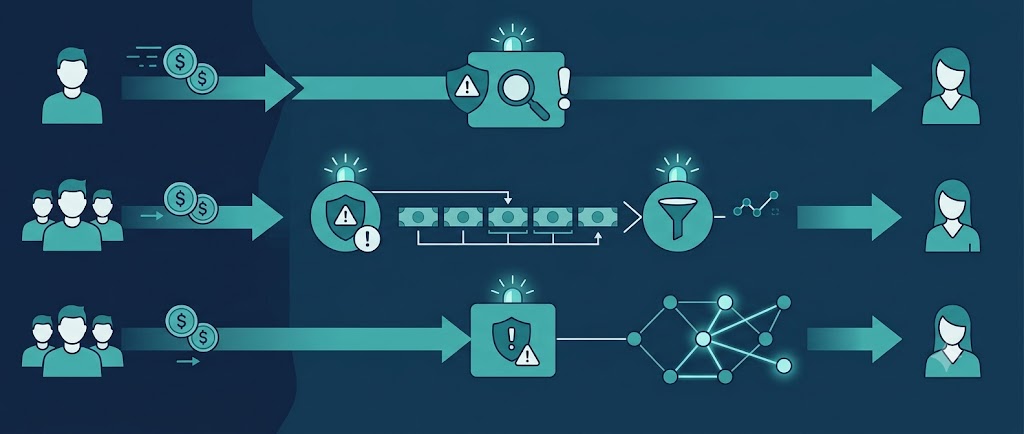
P2P fund movement is functionally identical to wire transfer layering when used for illicit purposes. A bad actor with dirty money and a network of accomplices can use a P2P platform to rapidly move funds through multiple accounts, obscuring the origin of the money through rapid transfers between users.
The speed of P2P transactions — most platforms settle instantly or near-instantly — reduces the window for compliance review before funds have already moved. The consumer-focused design that makes P2P apps accessible also creates friction-reducing design decisions that can undermine compliance controls if not carefully managed.
Core AML Requirements for P2P Platforms
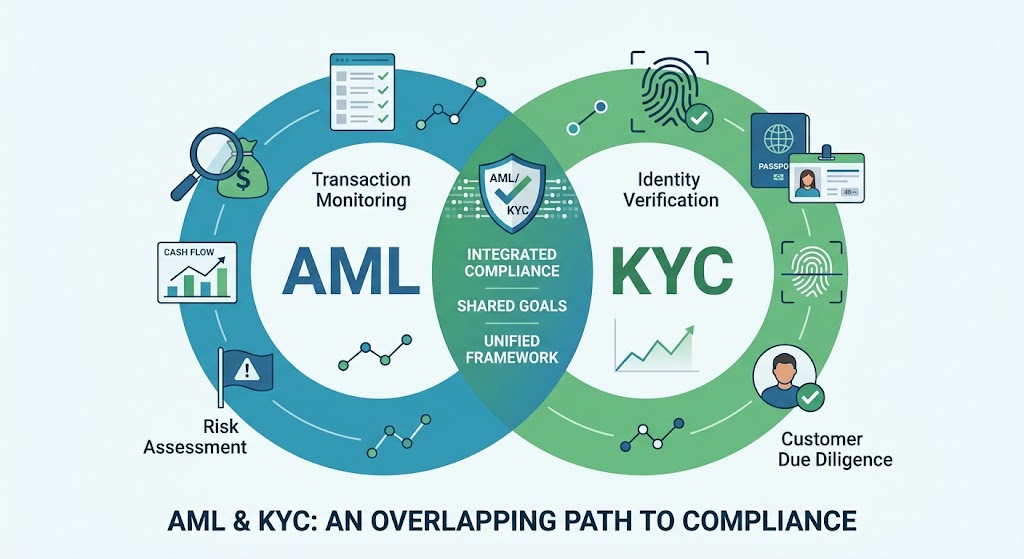
P2P platforms that qualify as money transmitters must implement full BSA/AML program including FinCEN registration, KYC and CDD at onboarding, transaction monitoring, SAR filing, OFAC sanctions screening, and all other standard BSA requirements. For a broader view of AML compliance for payments companies more generally, see our dedicated overview.
P2P-Specific Transaction Monitoring
Transaction monitoring rules for P2P platforms must specifically address the risk patterns most common in peer-to-peer fund movement. Key monitoring scenarios include structured transfers — multiple small transfers just below reporting thresholds sent to the same or different recipients in a short period, fan-out patterns — a single account receiving funds from multiple sources and rapidly distributing them to multiple recipients, velocity patterns — unusual frequency of transactions within a short time window relative to the customer's established history, and geographic patterns — P2P transfers to recipients in high-risk jurisdictions. See our guide on AML red flags for more patterns to monitor.
KYC for P2P Platforms
P2P platforms must implement KYC at account opening before allowing users to send or receive money. The KYC program should include identity verification using automated document and database verification, customer risk rating assigning risk tiers to users, transaction limits calibrated to risk tiers, and enhanced scrutiny or additional verification requirements for users who want higher transaction limits.
Consumer-Focused Design and Compliance
P2P platforms face a specific tension between consumer experience optimization — minimizing friction to maximize adoption — and compliance controls that necessarily add friction. The right approach is risk-tiered friction — minimal friction for low-risk users in standard scenarios, more friction for higher-risk users or higher-risk transaction patterns. Applying maximum scrutiny to every user in every transaction is not required and creates unnecessary abandonment. Applying no scrutiny to any user creates compliance failures.
Frequently Asked Questions
Do P2P platforms need money transmitter licenses?
Yes. P2P platforms that receive funds from users and transmit them to other users are money transmitters — this is the core definition of money transmission. Money transmitter licenses are required in states where users are located.
How ComplyOne Helps
ComplyOne helps P2P payment platforms build AML compliance programs calibrated to peer-to-peer risk — from KYC design and transaction monitoring through licensing and ongoing compliance — through advisory services, compliance technology, or both.
Talk to the ComplyOne team to get started.
The information in this article is for general educational purposes and does not constitute legal or regulatory advice. Consult a qualified compliance professional for guidance specific to your situation.