Not every fintech needs a money transmitter license — but most that move money do. Here is exactly who needs one, who is exempt, and how to determine whether your business requires licensing.
Who Needs a Money Transmitter License? A Fintech Guide
One of the most important and frequently misunderstood questions in fintech compliance is whether your business needs a money transmitter license. Getting this wrong in either direction creates real problems — operating without a required license exposes you to state enforcement, while assuming you need a license when you do not wastes significant time and capital.
The answer depends on what your business actually does — not on what technology you use, what you call yourself, or how you describe your product. Regulators look at the economic substance of the activity, not the label.
What Is Money Transmission?
Money transmission is the business of receiving money for the purpose of transmitting it to another location or person. At its core, if your business accepts funds from one party and sends or makes them available to another party — and you are doing this for the public rather than just for your own account — you are likely engaged in money transmission.
This definition applies regardless of the technology involved. Traditional wire transfers, ACH payments, digital wallets, peer-to-peer payment platforms, and cryptocurrency transfers can all constitute money transmission depending on how the business operates.
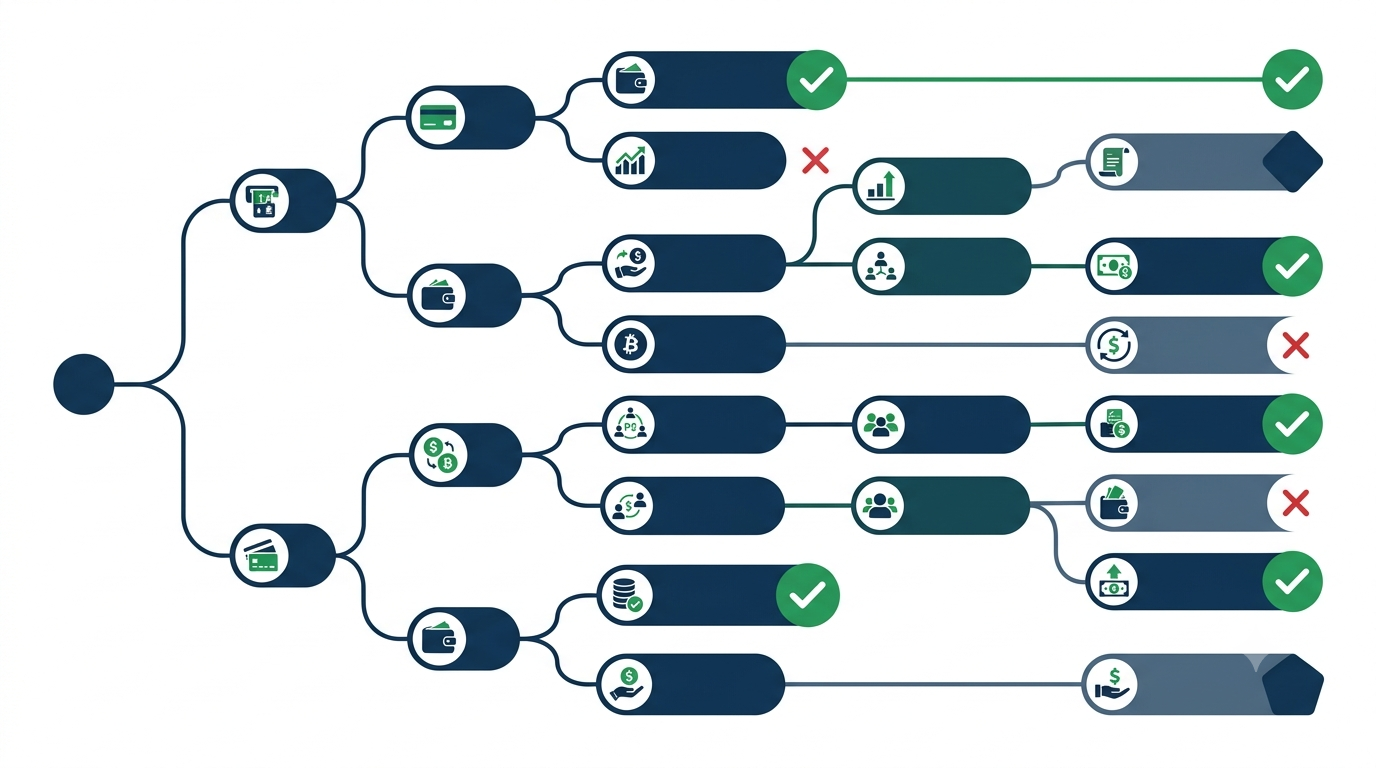
Who Generally Needs a Money Transmitter License?
Peer-to-Peer Payment Platforms
If your product allows one user to send money to another user — whether for splitting bills, paying friends, or transferring money to family — you are almost certainly engaged in money transmission.
Remittance and International Transfer Services
Businesses that facilitate sending money across borders are classic money transmitters. The international nature of the transfer does not change the licensing requirement.
Digital Wallet Providers
If your product holds funds on behalf of users and allows those users to spend, transfer, or withdraw those funds, you are likely operating a stored value product that constitutes money transmission in most states.
Payment Platforms That Hold and Transfer Funds
If your business accepts funds from one party and transmits them to a merchant or another party — and you hold those funds in the process, even briefly — you may be a money transmitter rather than a payment processor.
Cryptocurrency Exchanges and Transfer Services
Businesses that accept cryptocurrency from users and transmit it to other parties are generally classified as money transmitters under FinCEN's guidance. This includes centralized exchanges, crypto payment processors, and certain custodial wallet providers.
Prepaid Card Issuers and Program Managers
Companies that issue general purpose reloadable prepaid cards or manage stored value programs may be engaged in money transmission depending on the specific program structure.
Earned Wage Access Providers
Earned wage access products have faced increasing regulatory scrutiny. Some states treat certain EWA models as money transmission.
Who Generally Does NOT Need a Money Transmitter License?
Payment Processors Acting as Agents of Payees
The payment processor exemption is the most commonly invoked exemption from money transmitter licensing. Under this exemption, a business that processes payments solely as an agent of a payee — facilitating the movement of funds for the purchase of goods and services — may not be classified as a money transmitter.
This exemption is narrower than many businesses assume. If you are relying on it, you need a careful legal analysis of your specific business model.
Banks and Bank-Chartered Entities
Banks, credit unions, and their subsidiaries are generally exempt from state money transmitter licensing because they are already subject to comprehensive federal and state banking regulation.
Certain Software and Technology Providers
Pure software or technology providers that enable money transmission without taking possession or control of funds are generally not classified as money transmitters.
Individuals Transmitting for Personal Purposes
An individual who sends money for their own personal purposes — not as a business or for others — is not a money transmitter.
The Threshold Question: Are You Acting for the Public?
Most state money transmission laws focus on whether the business is transmitting money for the public — meaning for third parties, as a service. A business that moves its own funds in the course of its operations is generally not a money transmitter.
Why This Determination Requires Legal Analysis
The money transmitter licensing question cannot be answered reliably by applying general rules to your business description. It requires careful analysis of how your specific product works, how funds flow, and how the applicable state laws define money transmission in your context.
FinCEN Registration Is Separate from State Licensing
Even if you determine that you are a money transmitter, there are two separate obligations to address: federal FinCEN registration as a Money Services Business, and state money transmitter licensing in each state where you operate. Both are required if you qualify as a money transmitter. Neither replaces the other.
Frequently Asked Questions
Does a fintech that only operates in one state need a money transmitter license?
Yes — if your business qualifies as a money transmitter and operates in a state that requires licensing, you need a license in that state regardless of whether you operate in other states.
Does a startup or early-stage company need a money transmitter license?
Licensing requirements apply based on the activity being conducted, not the size or stage of the company. Many early-stage fintechs operate under sponsor bank coverage while pursuing licensing, but this requires explicit agreement from the sponsor bank.
What is the difference between a money transmitter and a payment processor?
A money transmitter accepts and transmits funds on behalf of the public — it holds and moves money as a principal. A payment processor facilitates payments as an agent of a payee — it processes the transaction without acting as a principal holding funds on behalf of others.
Can I operate without a money transmitter license while I am applying for one?
Generally not without some form of coverage or exemption. Do not assume you can operate unlicensed during the application period without confirming your approach with qualified legal counsel.
How ComplyOne Helps
Determining whether your business needs a money transmitter license — and in which states — requires careful legal and compliance analysis of your specific business model. ComplyOne works with fintechs to navigate licensing determinations, develop licensing strategies, and build the compliance programs that licensing requires — through advisory services, compliance technology, or both.
Talk to the ComplyOne team to get started.
The information in this article is for general educational purposes and does not constitute legal or regulatory advice. Licensing requirements vary significantly by state and business model. Consult qualified legal counsel for a determination specific to your business.