Marketplace platforms that hold and disburse payments face specific AML compliance obligations. Here is what marketplace AML compliance requires and how the compliance framework applies to platform payment models.
AML Compliance for Marketplace Platforms: What You Need to Know
Marketplace platforms that facilitate transactions between buyers and sellers — and that hold or process payment as part of that facilitation — occupy a unique position in the AML compliance landscape. Whether a marketplace qualifies as a money transmitter depends significantly on how payment flows through the platform, and the answer has major implications for licensing and compliance requirements.
The Core Classification Question
The threshold question for marketplace AML compliance is whether the marketplace qualifies as a money transmitter. This determination turns on the specific mechanics of how payment flows through the platform.
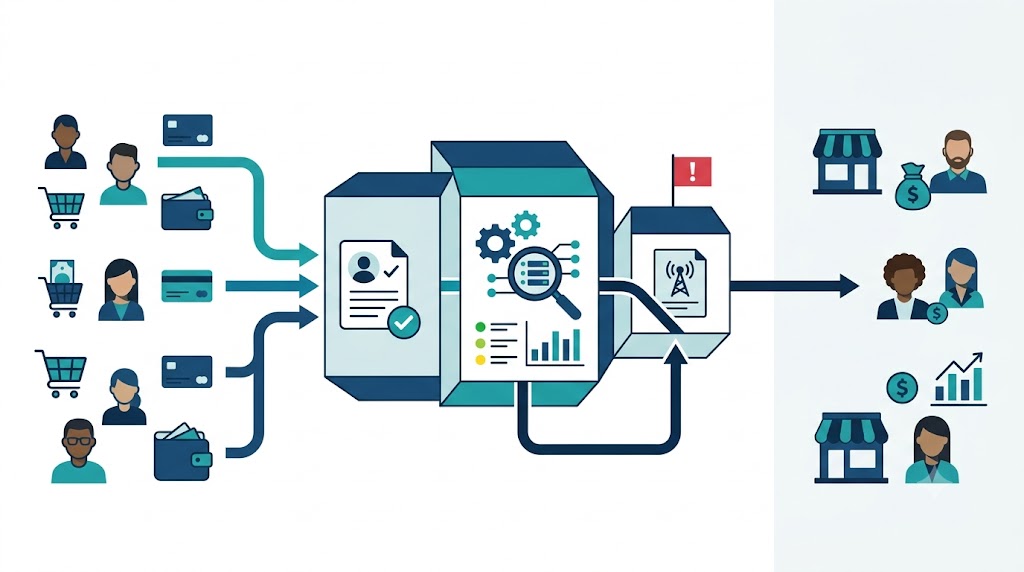
Marketplaces that hold buyer payments in escrow — receiving funds from buyers and disbursing them to sellers after delivery is confirmed — are typically engaged in money transmission. The marketplace is receiving funds from one party and transmitting them to another.
Marketplaces that simply connect buyers and sellers and allow them to transact directly — without the marketplace ever holding funds — are typically not money transmitters.
Marketplaces that facilitate payment processing as agents of merchants — where the marketplace processes payment as the merchant's agent without independently holding funds — may qualify for the payment processor exemption from money transmitter status.
The specific structure of your payment flow, the legal relationships involved, and state-by-state law all affect this analysis.
If the Marketplace Is a Money Transmitter
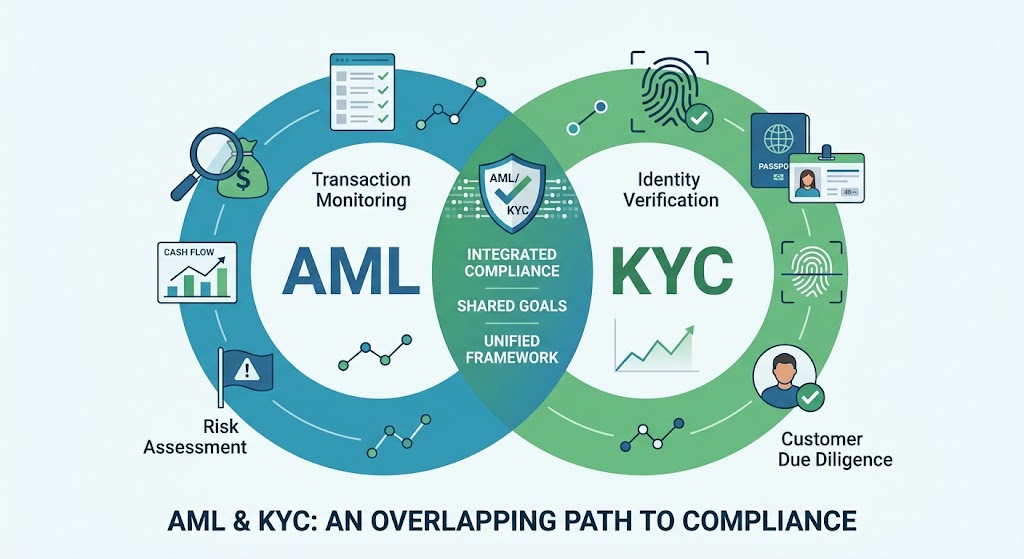
Marketplace platforms that qualify as money transmitters must implement full BSA compliance programs — FinCEN registration, written AML program, KYC, transaction monitoring, SAR filing, and state money transmitter licensing. For a full overview of what AML compliance for payments requires, see our dedicated guide.
KYC obligations extend to both sides of the marketplace — buyers who fund the payments and sellers who receive disbursements are both customers from a compliance perspective. This creates KYC obligations for potentially large numbers of users, some of whom may be businesses requiring KYB verification.
Transaction monitoring for marketplaces must address the specific patterns relevant to marketplace fund flows — unusual payment sequences, disbursement patterns inconsistent with marketplace activity profiles, and coordinated activity across multiple buyer and seller accounts.
The Seller KYC Challenge
One specific compliance challenge for marketplace platforms is verifying the identity of sellers at scale. For consumer-to-consumer marketplaces or gig economy platforms with large numbers of individual sellers, KYC at scale requires efficient automated verification processes with clear workflows for exceptions.
Seller risk varies significantly — high-volume professional sellers may warrant more thorough CDD than occasional individual sellers, reflecting the risk-based approach required by BSA regulations.
Frequently Asked Questions
Does a peer-to-peer marketplace need money transmitter licenses?
If the marketplace receives funds from buyers and disburses them to sellers — a classic escrow model — it is almost certainly a money transmitter requiring licenses. If the marketplace simply connects parties without holding funds, the analysis may be different. The specific payment flow determines the answer.
How ComplyOne Helps
ComplyOne helps marketplace platforms determine their compliance obligations, build AML programs designed for marketplace payment models, and pursue required licensing — through advisory services, compliance technology, or both.
Talk to the ComplyOne team to get started.
The information in this article is for general educational purposes and does not constitute legal or regulatory advice. Consult a qualified compliance professional for guidance specific to your situation.