Neobanks face the same AML obligations as traditional banks but must build their compliance infrastructure independently. Here is what neobank AML compliance requires and how to build it effectively.
AML Compliance for Neobanks: Building a Program from Scratch
Neobanks — digital-first financial institutions that operate without traditional branch infrastructure — have transformed consumer banking. They have also inherited the full weight of U.S. financial compliance obligations. Whether a neobank holds its own bank charter, operates through a banking-as-a-service arrangement, or works directly with a sponsor bank, the AML compliance requirements are substantively the same as for any covered financial institution.
How Neobank AML Obligations Arise
Most neobanks do not hold their own bank charters — they offer banking products through partnerships with regulated banks. These arrangements place the neobank squarely within the scope of BSA/AML requirements through two pathways.
If the neobank independently qualifies as a Money Services Business — which is common for neobanks that facilitate payments, transfers, or stored value — it has independent BSA compliance obligations including FinCEN registration, a written AML program, SAR filing, and all five required pillars.
Even for neobanks operating purely under a bank partner's umbrella, the sponsor bank's own BSA obligations extend to the neobank's operations. The sponsor bank will require the neobank to have an adequate, independently operated compliance program as a condition of the partnership.
What Makes Neobank AML Compliance Distinctive
Volume and velocity. Neobanks often onboard customers and process transactions at volumes and speeds that traditional bank compliance infrastructure was not designed to handle. AML compliance programs must be designed from the start to scale — both technologically and operationally.
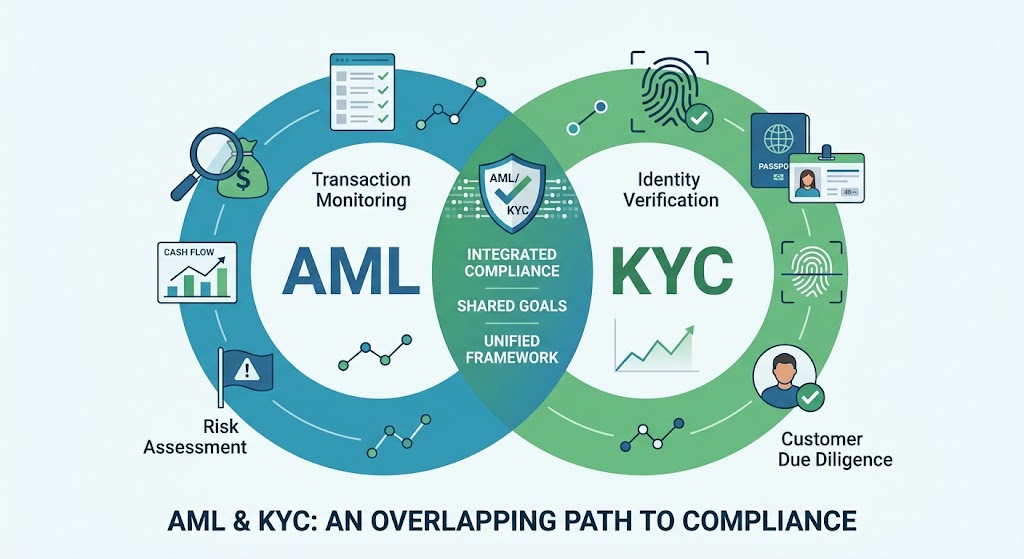
Digital-only customer base. Neobanks conduct KYC entirely remotely, without any in-person interaction. This elevates the importance of robust automated identity verification, including document verification, biometric checking, and database verification. The elevated delivery channel risk from fully digital onboarding must be specifically addressed in the AML risk assessment.
Broad customer demographics. Many neobanks serve underbanked populations — customers with thin credit files, non-standard identification, and limited financial history. KYC programs must handle these customers efficiently without excluding them through unnecessarily rigid verification requirements.
API-based architecture. Neobank technology stacks are typically API-first, creating both an opportunity — compliance controls can be integrated directly into the product flow — and a requirement — compliance technology must be capable of API integration with core banking systems.
Core Components of a Neobank AML Program
A compliant neobank AML program requires all five BSA pillars — internal controls, a designated compliance officer, ongoing training, independent testing, and CDD — implemented specifically for the neobank's business model.
The internal controls must include transaction monitoring rules calibrated to neobank transaction patterns — which often differ significantly from traditional banking transaction profiles. Peer-to-peer transfer monitoring, rapid fund movement detection, and velocity rules appropriate for consumer-scale digital payments are typically required.
The CDD program must address the digital-only onboarding context — how risk ratings are assigned for customers who cannot be met in person, how EDD is conducted remotely, and how behavioral monitoring compensates for the absence of traditional relationship indicators.
Frequently Asked Questions
Does a neobank under a sponsor bank need its own AML program?
Yes. The sponsor bank's AML program satisfies the bank's own obligations — it does not replace the neobank's independent compliance requirements. Most sponsor banks explicitly require their neobank partners to maintain independent, documented AML programs as a condition of the partnership.
How does neobank KYC differ from traditional bank KYC?
The legal requirements are the same — the BSA's CIP and CDD requirements apply regardless of delivery channel. What differs is implementation. Neobank KYC is conducted entirely digitally through automated verification technology, without the option of in-person document review that traditional banks rely on for edge cases. This makes technology selection and configuration more critical.
How ComplyOne Helps
ComplyOne helps neobanks build AML compliance programs designed for digital-first operations — from risk assessment and KYC technology selection through transaction monitoring calibration and sponsor bank compliance — through advisory services, compliance technology, or both.
Talk to the ComplyOne team to get started.
The information in this article is for general educational purposes and does not constitute legal or regulatory advice. Consult a qualified compliance professional for guidance specific to your situation.