Fintech Compliance for Startups: Where to Begin
Compliance can feel overwhelming for early-stage fintechs. Here is a practical, no-jargon guide to where to start — what matters most at the earliest stage and how to build a foundation that scales.
Stay ahead of compliance trends, regulatory updates, and industry best practices curated for modern fintechs.
Compliance can feel overwhelming for early-stage fintechs. Here is a practical, no-jargon guide to where to start — what matters most at the earliest stage and how to build a foundation that scales.
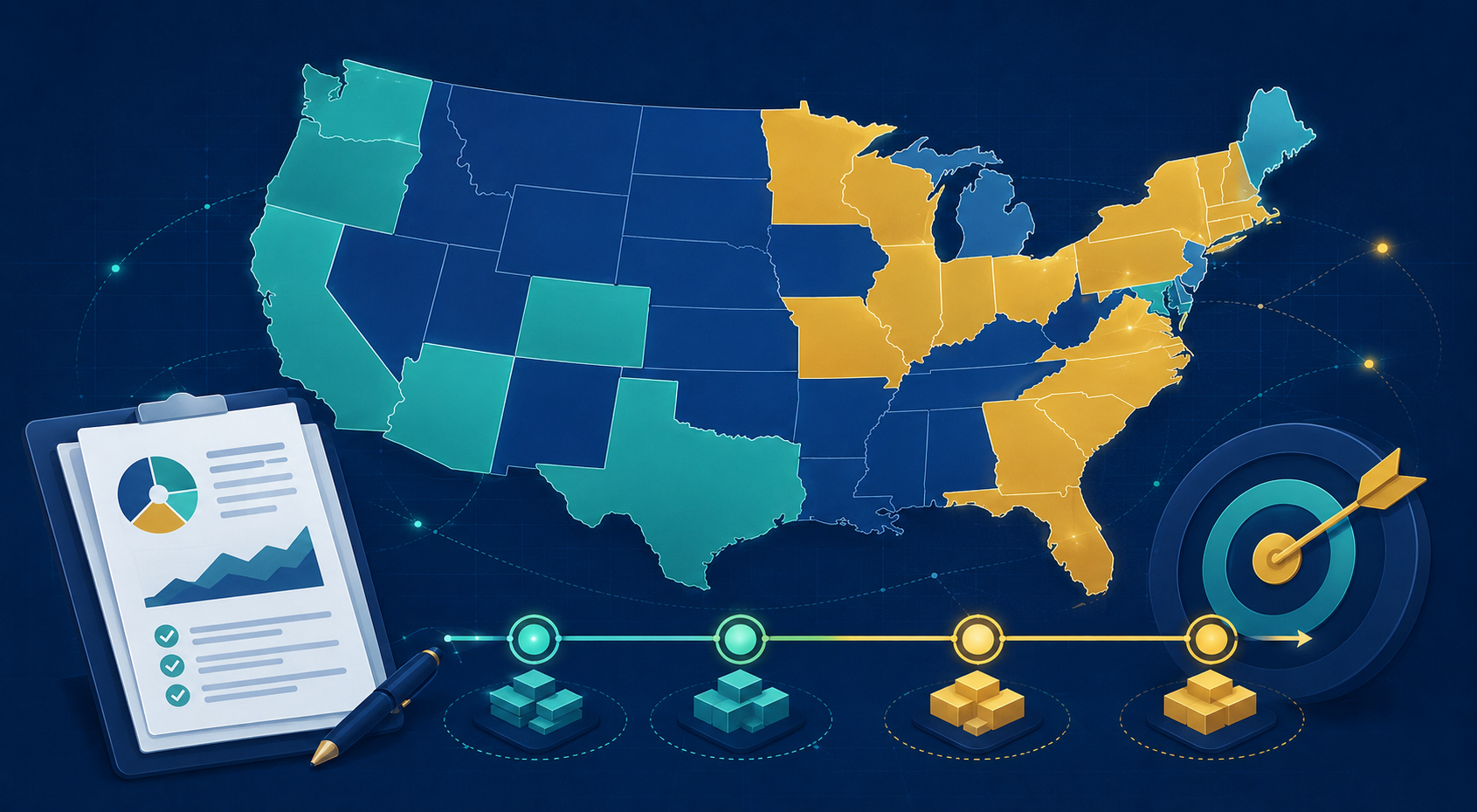
A smart fintech licensing strategy determines which states to apply to first, in what order, and how to manage the gap between launch and full national coverage. Here is how to build one.
Regulatory sandboxes allow fintechs to test innovative products with limited regulatory requirements for a defined period. Here is which U.S. states have sandbox programs, what they offer, and how to apply.
Getting a sponsor bank is one of the hardest early milestones for fintechs. Here is how the process works, what banks look for, and how to position your company to get a banking relationship approved.
Money transmitter license costs vary dramatically by state. Here is a breakdown of application fees, surety bonds, net worth requirements, and total costs — plus how to budget for a national licensing program.
Choosing the right sponsor bank is one of the most consequential decisions a fintech makes. Here is what to look for, what questions to ask, and how to build a banking relationship that supports your compliance and growth.
Remittance companies that send money across borders need state money transmitter licenses. Here is how the licensing process works for remittance businesses, what states require, and how to build a licensing strategy.
KYC compliance costs vary widely based on customer volumes, risk profile, and technology choices. Here is a realistic breakdown of what fintechs actually spend on identity verification, ongoing monitoring, and KYC technology platforms.
Most states require a surety bond as part of money transmitter licensing. Here is how bonding requirements work, what bond amounts look like state by state, and how your transaction volume affects what you pay.