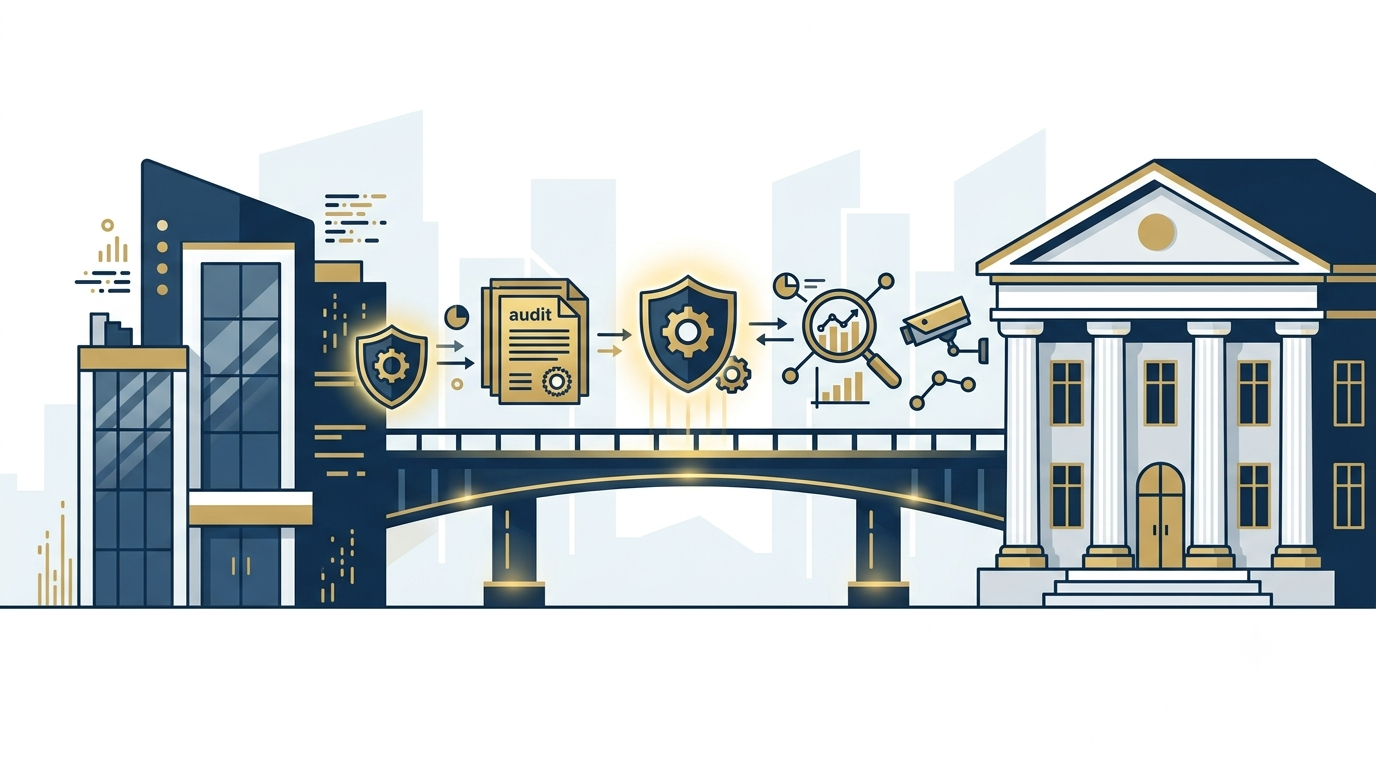
Choosing the right sponsor bank is one of the most consequential decisions a fintech makes. Here is what to look for, what questions to ask, and how to build a banking relationship that supports your compliance and growth.
How to Choose a Sponsor Bank for Your Fintech
For most fintechs, the sponsor bank relationship is the single most important business relationship you will establish. Your sponsor bank provides the regulated infrastructure — payment rails, card issuance, ACH access, account holding — that makes your product possible. Getting this relationship right from the start is critical.
And yet many founders approach sponsor bank selection without a clear framework for evaluating their options. They take the first bank willing to work with them, or they choose based on pricing alone, without fully understanding the compliance requirements, the oversight expectations, or the limitations they are agreeing to.
What a Sponsor Bank Actually Does
A sponsor bank is a regulated financial institution that partners with a fintech to provide access to banking infrastructure under the bank's existing licenses and regulatory framework. The bank provides the regulated components — payment network access, account infrastructure — while the fintech provides the customer-facing product and technology.
From a regulatory perspective, the fintech's activities are conducted under the bank's oversight. This is why sponsor banks are selective about who they work with and why they impose compliance requirements on their fintech partners.
The First Question: What Does Your Product Actually Need?
Before evaluating banks, be clear about exactly what banking infrastructure your product requires. Do you need card issuance? ACH processing? Wire transfer capabilities? Account infrastructure? Specific payment network access? Cross-border payment capabilities?
Your answers determine which banks to consider. Not all sponsor banks offer all capabilities, and some specialize in specific product types or customer segments.
The Compliance Fit — The Most Important Factor
Beyond product capabilities, the most important factor in sponsor bank selection is compliance fit. The bank needs to be comfortable with your compliance program — and your compliance program needs to be strong enough to satisfy the bank's requirements.
What Banks Look At in Compliance Due Diligence
Sponsor banks evaluate the compliance maturity of potential fintech partners. Key areas of evaluation include the written BSA/AML program, AML risk assessment, KYC and CDD procedures, transaction monitoring program, SAR filing capability, named compliance officer, and independent testing history.
Banks Have Different Risk Appetites
Some sponsor banks actively court fintech partnerships and have dedicated teams for fintech program management. Others are more conservative and prefer established businesses with longer track records. Approaching banks appropriate for your stage and business type improves your success rate.
Questions to Ask Every Potential Sponsor Bank
What fintech business models have you worked with before? What does your compliance oversight process look like? What compliance requirements do you impose on fintech partners? What is your process if you identify a compliance gap? What geographic and product limitations exist? What is the fee structure? What is your process for approving new products or features?
Red Flags in Sponsor Bank Relationships
A bank that shows little interest in your compliance program — willing to partner without reviewing your AML program — may not be a reliable long-term partner. Banks with loose compliance requirements tend to face regulatory pressure that causes them to tighten requirements abruptly or exit fintech relationships entirely.
Vague or shifting answers about what the bank requires suggests unclear expectations. Extremely favorable economic terms that seem too good relative to market rates can indicate a bank competing on price rather than quality.
The Compliance Program You Need Before Approaching Banks
Approaching sponsor banks without a functioning compliance program is one of the most common mistakes early-stage fintechs make. Banks will not partner with a business that has not built its compliance infrastructure. Before approaching banks, have a completed fintech compliance checklist covering a written AML risk assessment, written BSA/AML policy, KYC and CDD procedures, a named compliance officer, and evidence of AML training.
Frequently Asked Questions
How many sponsor banks should a fintech have?
Many fintechs work with a single primary sponsor bank at early stage. As businesses grow, some add a second bank for redundancy — ensuring that the loss of one relationship does not halt operations.
How long does sponsor bank onboarding take?
The timeline from initial conversation to going live typically ranges from 3 to 12 months depending on the bank, your business model, and your compliance readiness.
Can a fintech switch sponsor banks?
Yes — but it is operationally complex and disruptive. Choosing the right sponsor bank initially is significantly preferable to switching later.
How ComplyOne Helps
ComplyOne helps fintechs build the compliance programs they need to approach sponsor banks with confidence — and to pass the compliance due diligence that sponsor banks conduct before going live — through advisory services, compliance technology, or both.
Talk to the ComplyOne team to get started.
The information in this article is for general educational purposes and does not constitute legal or regulatory advice. Consult a qualified compliance professional for guidance specific to your situation.