Getting a sponsor bank is one of the hardest early milestones for fintechs. Here is how the process works, what banks look for, and how to position your company to get a banking relationship approved.
How Fintechs Get Access to Sponsor Banks
For most fintechs, getting a sponsor bank is the gating milestone between having a product idea and actually launching. Without a bank partner, there are no payment rails, no card issuance, no ACH processing, and no ability to hold customer funds.
And yet the process of finding and getting approved by a sponsor bank is one of the least documented parts of the fintech journey. This article explains how it actually works — how banks find and evaluate fintech partners, what they need to see before saying yes, and how to position your company for a successful banking relationship.
How Sponsor Bank Relationships Work
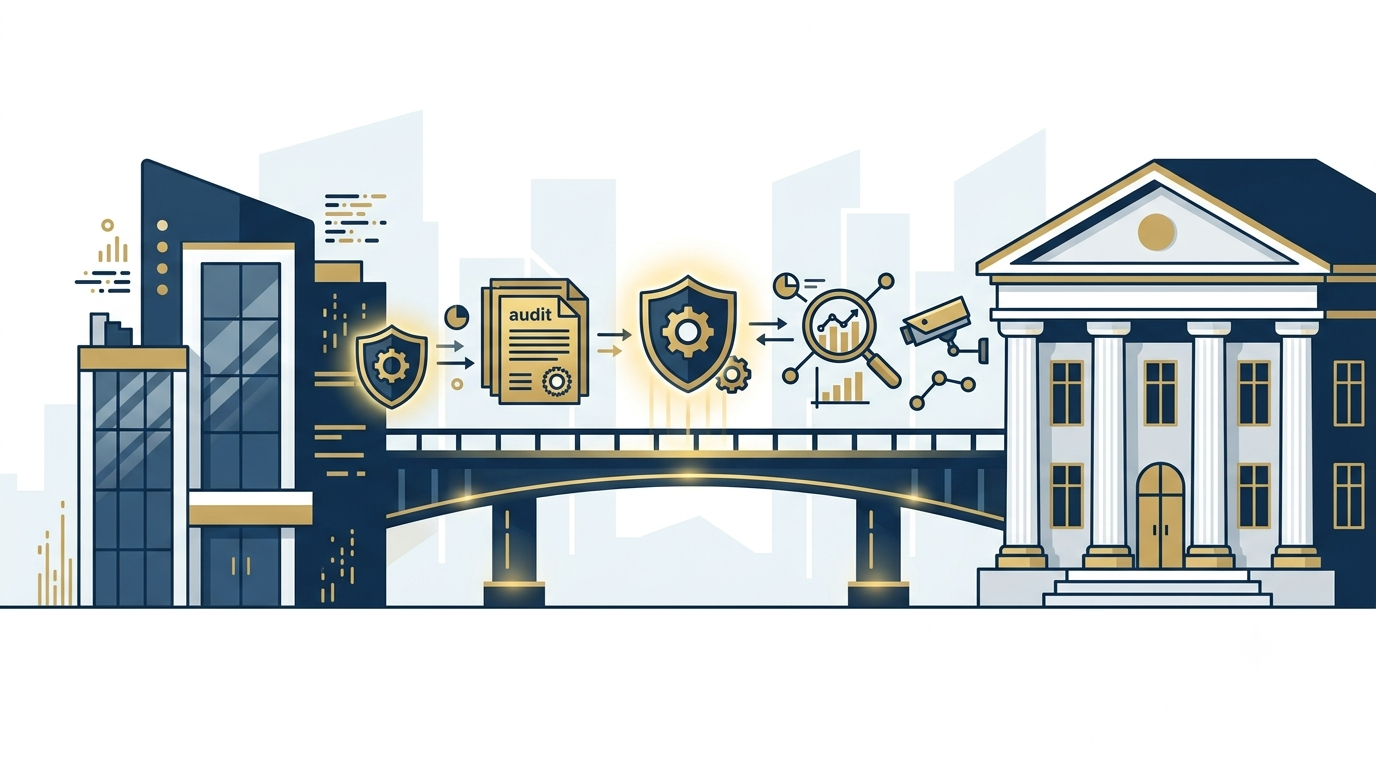
A sponsor bank provides regulated banking infrastructure — payment network access, account holding, card issuance — to a fintech operating under the bank's license and regulatory oversight. The bank bears regulatory responsibility for the fintech's operations, which is why it conducts due diligence before onboarding any fintech partner and maintains ongoing oversight throughout the relationship.
The bank is not doing you a favor. It is entering into a business relationship where it provides regulated infrastructure in exchange for revenue — typically through interchange, account fees, or direct program fees — and assumes regulatory risk that it manages through compliance oversight of your program.
Finding Sponsor Banks
Not all banks partner with fintechs. The universe of active fintech sponsor banks is smaller than most founders assume — perhaps 30 to 50 banks in the U.S. that are actively building fintech partnership programs with meaningful infrastructure and compliance frameworks.
Finding them requires research and introductions. Sources for identifying potential sponsor banks include industry events focused on fintech and payments, advisors and attorneys who work with fintech companies and maintain banking relationships, fintech accelerators and incubators that have bank partnerships, and public reporting on which banks are active in fintech sponsorship.
Warm introductions from other founders, investors, or compliance advisors are significantly more effective than cold outreach. Banks receive many inbound requests from fintechs — a credible introduction from someone the bank already knows meaningfully improves your chances of getting a serious evaluation.
What Banks Evaluate During Due Diligence
When a bank evaluates a potential fintech partner, they assess several dimensions of the business.
Business Model and Revenue Viability
Banks want to understand your product, your customers, and your revenue model. They are entering a long-term partnership — they need to believe your business will survive and grow, because a failing fintech creates operational and reputational problems for the bank.
Compliance Program Maturity
This is typically the most important evaluation criterion. Banks need to see a functional compliance program before going live — not a plan to build one. They will ask to see your written AML policy, your AML risk assessment, your KYC procedures, your sanctions screening approach, and your transaction monitoring setup.
A fintech that shows up to bank discussions without a compliance program will not get approved. A fintech that shows up with a well-documented, operational compliance program demonstrates that it is ready for a banking relationship.
Team and Leadership
Banks evaluate the leadership team — who is running the business, what their relevant experience is, and whether there is a qualified compliance officer in place. The BSA Officer designation specifically — who it is, their qualifications, and their authority — is something banks look at carefully.
Financial Condition
Banks want to see that the fintech is financially viable — sufficient runway, evidence of investor backing or revenue, and the financial resources to maintain the compliance infrastructure the partnership requires.
Risk Profile of the Business Model
The specific products, customer types, transaction types, and geographies your fintech serves determine how much risk the bank is taking on in the partnership. Higher-risk business models face more intensive evaluation and ongoing oversight requirements.
Building a Compliance Program Before Approaching Banks
The single most effective thing you can do to accelerate bank approval is to build your compliance program before you start talking to banks — not while you are talking to them. Banks can tell the difference between a program that was thoughtfully built before the bank conversation and one that was hastily assembled in response to a bank request.
A well-built compliance program signals that you take compliance seriously, that you understand your regulatory obligations, and that you are the kind of partner that will not create problems for the bank down the road.
The Onboarding Timeline
From initial conversation to going live with a sponsor bank typically takes between 3 and 12 months. Banks with established fintech partnership programs and clear intake processes move faster. Banks that are newer to fintech sponsorship take longer. Your preparation level directly affects the timeline — a complete, well-organized compliance program package can reduce the timeline significantly.
Frequently Asked Questions
What if I cannot get a sponsor bank?
If you are struggling to get a sponsor bank, the most common reasons are an inadequate compliance program, a business model that banks find too risky, leadership team gaps, or financial viability concerns. Addressing the specific reason — typically by strengthening your compliance program and getting an experienced compliance advisor involved — is the most direct path forward.
Do I need a sponsor bank or can I get my own bank license?
Obtaining your own bank charter — either a national bank charter from the OCC or a state bank charter — is possible but requires significant capital, a lengthy approval process typically measured in years, and ongoing banking regulatory oversight. For most fintechs, operating through a sponsor bank is dramatically more practical than obtaining a charter, at least at early and growth stage.
Can a fintech work with multiple sponsor banks?
Yes. Many fintechs build relationships with two or more sponsor banks over time — for redundancy, for different product lines, or for different geographic markets. Having a second banking relationship in place means that the loss of one bank does not halt your operations.
How ComplyOne Helps
ComplyOne helps fintechs build the compliance programs they need to get approved by sponsor banks — from AML program development to compliance documentation to bank review preparation. We help you look compliance-ready from your first bank conversation. Learn more about sponsor bank requirements and how to choose a sponsor bank.
Talk to the ComplyOne team to get started.
The information in this article is for general educational purposes and does not constitute legal or regulatory advice. Consult a qualified compliance professional for guidance specific to your situation.