A smart fintech licensing strategy determines which states to apply to first, in what order, and how to manage the gap between launch and full national coverage. Here is how to build one.
Fintech Licensing Strategy: How to Prioritize Your State Applications
Getting a money transmitter license in all 50 states takes years and costs hundreds of thousands of dollars. For most fintechs — particularly early-stage and growth-stage companies — pursuing licenses in every state simultaneously is not feasible.
What is feasible is a thoughtful, phased licensing strategy that prioritizes the right states at the right time, manages the gap between launch and full national coverage responsibly, and builds toward comprehensive licensing as the business grows and capital is available.
Why Licensing Strategy Matters
Without a strategy, many fintechs make one of two common mistakes. The first is applying for licenses in every state simultaneously — overwhelming their team, depleting capital, and creating a months-long delay before they can launch in any state. The second is applying randomly or based on which state is easiest — without connecting licensing to where their business actually is or where their customers actually are.
The Inputs to a Licensing Strategy
Where Your Customers Are
The single most important factor in licensing prioritization is customer geography. If 40 percent of your users are in California and 20 percent are in Texas, your licensing strategy should reflect that — not prioritize states where licensing is easy but customers are scarce.
Where You Are Incorporated and Headquartered
Your home state is typically where you build your compliance infrastructure and operational track record. Most fintechs begin their licensing program with their home state.
Regulatory Complexity and Timeline
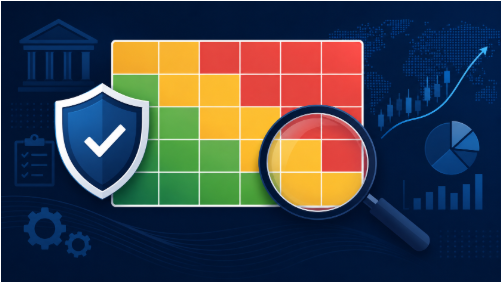
Some states are significantly more demanding than others. For a full breakdown of how long each state takes and what it costs, review those dedicated articles. Your strategy should account for where in the process you tackle the most demanding states.
Capital and Resource Availability
Your licensing strategy must be calibrated to what you can actually fund at each stage.
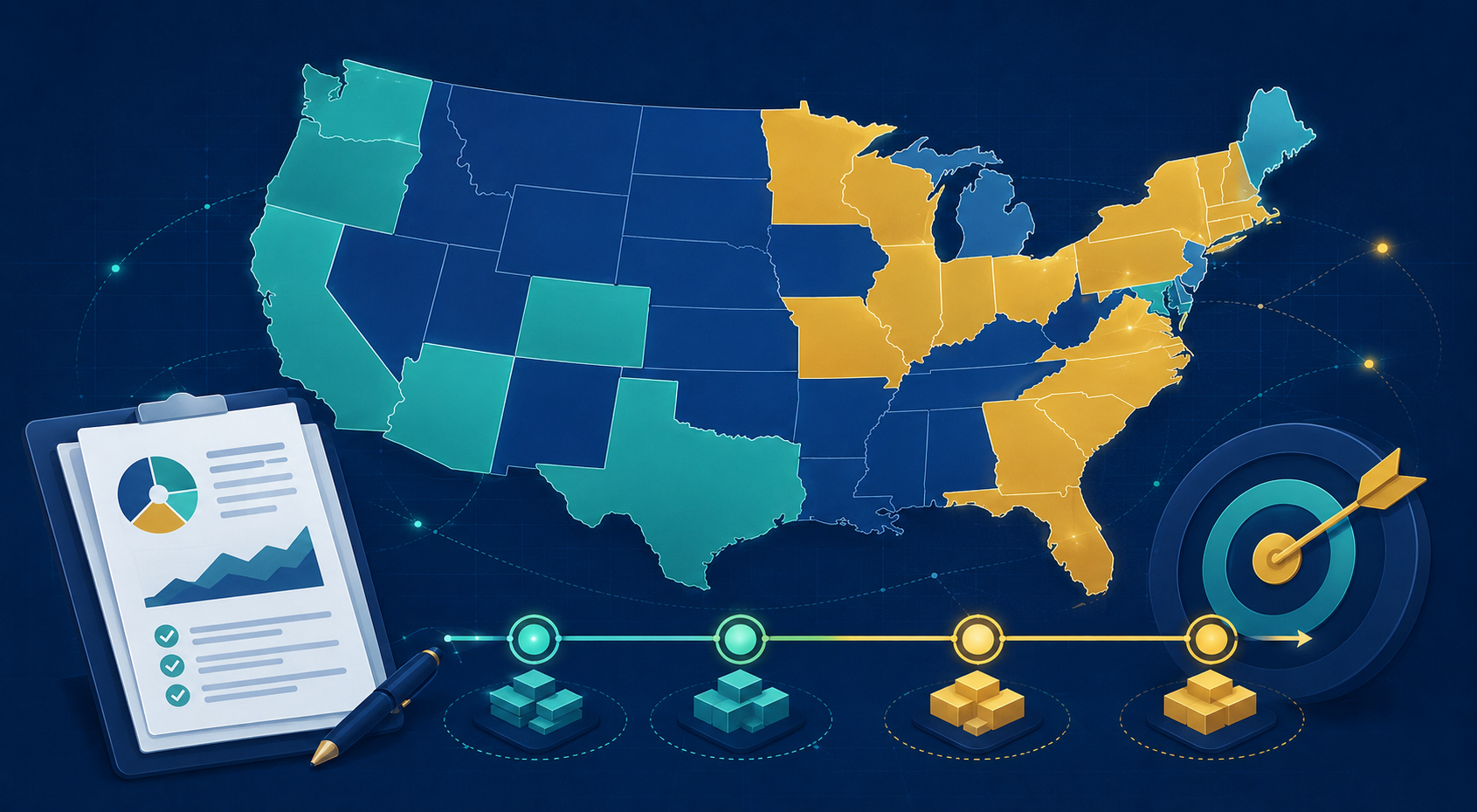
Building Your Phased Licensing Roadmap
Phase 1 — Priority States at Launch
Your first licensing phase should cover the states essential for your launch — typically your home state, the states with your highest user concentration, and any states required by your initial sponsor bank arrangement.
For most fintechs, this means identifying 5 to 15 priority states and submitting applications simultaneously using NMLS where available. Submit these applications as early as possible — ideally 6 to 12 months before your target launch date.
Phase 2 — Expansion States
Once your Phase 1 licenses are approved and your compliance program has demonstrated it can operate effectively in a multi-state licensed environment, expand to the next tier of states — typically the next 15 to 20 states by customer concentration or strategic importance.
Phase 3 — National Coverage
The final phase covers remaining states including typically New York and California if not already addressed. By this phase, your business has meaningful transaction volume, established compliance program track record, and the capital to absorb the higher costs associated with these demanding jurisdictions.
Managing the Gap — Operating in Unlicensed States
Sponsor Bank Coverage
Many sponsor bank arrangements provide coverage for fintech partner operations in states where the fintech does not independently hold a license. This coverage must be explicitly agreed to and documented in your program agreement.
Geographic Restrictions
Some fintechs implement geographic restrictions in their product during early stages — limiting availability to states where they hold licenses. This eliminates licensing gap risk but limits addressable market.
Ongoing License Management
Once licensed, ongoing obligations must be managed across every licensed state — annual renewals, annual financial reporting, regulatory examinations, and regulatory change monitoring.
Common Mistakes in Fintech Licensing Strategy
Prioritizing easy states over important states — applying first to states where licensing is simple regardless of where customers are.
Starting too late — licensing takes longer than most founders expect. A strategy that begins applications 60 days before launch typically results in launching without licenses.
Underestimating ongoing costs — budgeting for the cost of obtaining licenses without adequately budgeting for the ongoing cost of maintaining them.
No documentation of the gap strategy — operating in unlicensed states without a documented approach approved by your sponsor bank and legal counsel.
Frequently Asked Questions
Should I prioritize getting licensed in easy states first?
Not necessarily. The right prioritization is based on where your customers are and where your business needs to operate. That said, getting early wins in manageable states builds a compliance track record that can help in subsequent applications.
How do I track my licensing status across multiple states?
A license management calendar tracking application status, approval dates, renewal deadlines, and reporting obligations for each state is essential.
Can I use one law firm for all state licensing applications?
Some law firms specialize in multi-state money transmitter licensing and can manage your entire portfolio. A firm with deep multi-state licensing experience is typically more efficient for national programs.
How ComplyOne Helps
ComplyOne works with fintechs to develop realistic, well-sequenced licensing strategies, prepare and manage state applications efficiently, and maintain license portfolios as businesses grow — through advisory services, licensing support, and compliance technology.
Talk to the ComplyOne team to get started.
The information in this article is for general educational purposes and does not constitute legal or regulatory advice. Licensing requirements and processes change frequently. Consult qualified legal counsel before making licensing decisions.