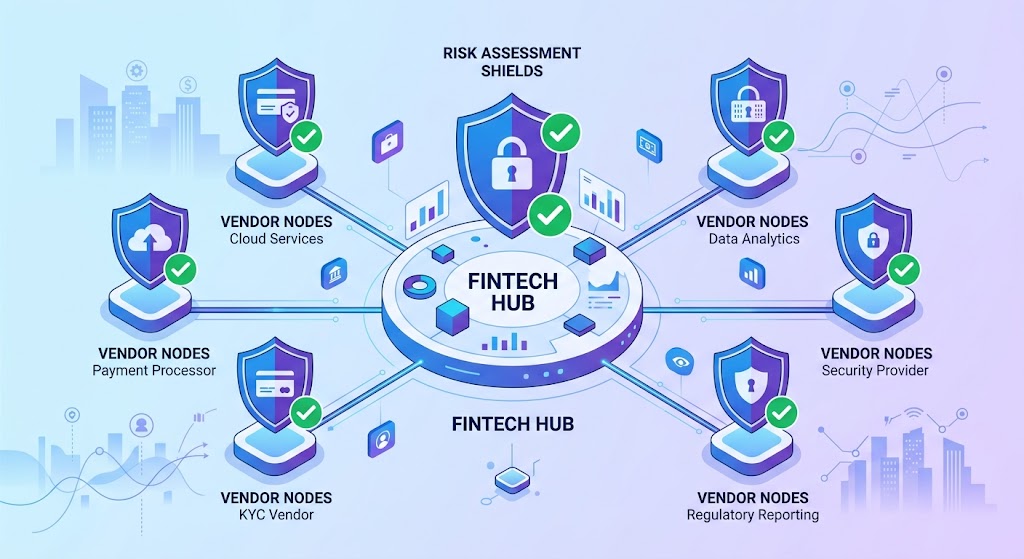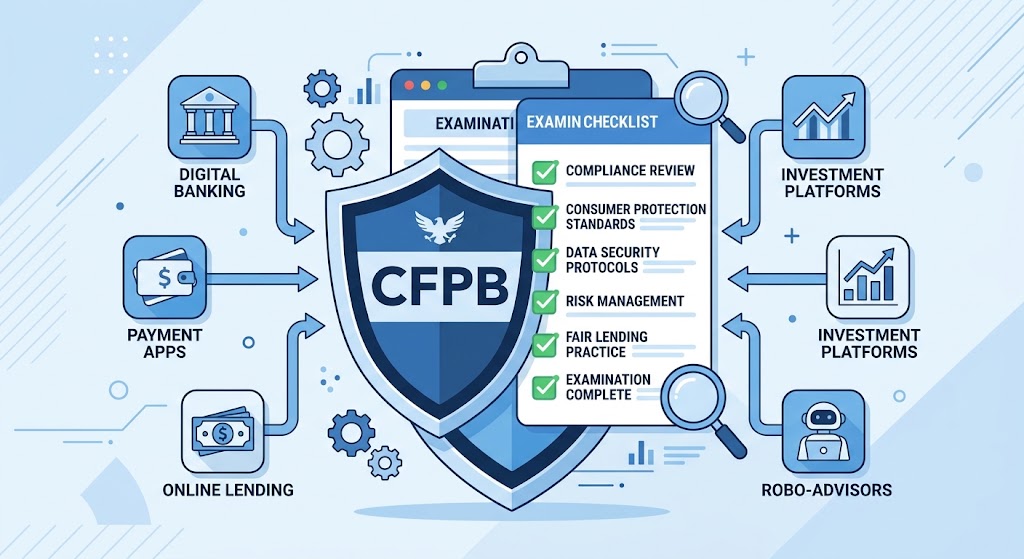
Compliance can feel overwhelming for early-stage fintechs. Here is a practical, no-jargon guide to where to start — what matters most at the earliest stage and how to build a foundation that scales.
Fintech Compliance for Startups: Where to Begin
Compliance is one of those things that fintech founders know they need to take seriously — but often do not know where to actually start. The regulatory landscape is complex, the terminology is dense, and it is not always clear which requirements apply to your specific product and business model.
The result is that many early-stage fintechs either delay compliance entirely — treating it as something to figure out later — or get lost trying to understand everything at once without making meaningful progress.
This guide cuts through that. Here is exactly where to start, in what order, and why.
The First Thing to Understand: Compliance Is Not Optional
In financial services, compliance requirements apply from the moment you conduct regulated activity — not from the moment you decide to take compliance seriously. If your product moves money, processes payments, issues stored value, or exchanges currency, you are operating in a regulated space from your first user transaction.
Building compliance infrastructure before you launch is dramatically easier, cheaper, and less disruptive than building it after a sponsor bank asks for documentation, a state regulator reaches out, or an investor flags gaps in due diligence. Review the fintech compliance checklist to understand the full scope of what is required.
Step 1: Determine What Regulatory Category You Fall Into
Before you can build a compliance program, you need to know what you are regulated as. The most important question is whether your business qualifies as a Money Services Business under FinCEN's definitions — specifically whether you are a money transmitter.
Getting a clear answer — ideally with qualified legal counsel — is the starting point for everything else.
Step 2: Register With FinCEN If Required
If your business qualifies as an MSB, you must register with FinCEN within 180 days of commencing operations. This is a legal obligation. Operating as an unregistered MSB is a federal crime.
Step 3: Conduct an AML Risk Assessment
Before writing policies or implementing controls, conduct an AML risk assessment — a structured analysis of the money laundering risks your specific business creates based on your products, customers, geographies, and delivery channels. This is the foundation everything else is built on.
Step 4: Write Your Core Compliance Policies
Based on your risk assessment, write the core documents of your compliance program. These include your BSA/AML policy, Customer Identification Program, CDD procedures, transaction monitoring policy, and OFAC sanctions screening policy.
These do not need to be elaborate at early stage. They need to be accurate, specific to your business, and genuinely reflect how you operate. Have them approved by your most senior executive before you launch.
Step 5: Designate a Compliance Officer
Name a specific individual as your BSA Officer — the person accountable for overseeing your compliance program. At early stage, this is often a founder or senior operations hire. The designation needs to be documented in writing.
Step 6: Implement Your Core Controls
Policies without operational controls are not compliant. Core controls include a KYC identity verification provider integrated into your onboarding flow, sanctions screening against OFAC lists at onboarding and ongoing, transaction monitoring rules calibrated to your risk profile, and enrollment in FinCEN's BSA E-Filing System.
Step 7: Train Your Team
Conduct your first round of AML training with all relevant staff before you launch. Document who attended, what was covered, and when it was completed.
Step 8: Address Licensing
Determine which states require a money transmitter license for your business model and develop a licensing strategy. Begin applications in your priority states as early as possible. Understand how long licensing takes and what it costs before finalizing your launch timeline.
Most early-stage fintechs operate under sponsor bank coverage in unlicensed states while pursuing their own licenses. Learning how to choose a sponsor bank is a critical early step.
Step 9: Plan Your First Independent Review
Schedule your first AML independent review within 12 months of launching your compliance program. At early stage, an external compliance consultant is typically the right choice.
What Not to Do
Do not copy a generic compliance template. Do not assume your sponsor bank's compliance program covers you. Do not treat compliance as a future problem. The cost and disruption of building compliance under pressure is dramatically higher than building it correctly from the start.
Frequently Asked Questions
How much does it cost to build a startup compliance program?
Core technology costs typically range from $500 to $5,000 per month for early-stage businesses. Policy drafting and compliance advisory fees vary widely. See the fintech compliance costs article for a detailed breakdown.
Can a founder serve as the compliance officer?
Yes, at early stage. A founder serving as BSA Officer is common and generally acceptable provided the founder has sufficient AML knowledge to perform the role competently.
When should a startup hire a dedicated compliance person?
Common triggers include significant growth in transaction volume, sponsor bank requirements for dedicated compliance resources, and regulatory examination pressure.
How ComplyOne Helps
ComplyOne works with early-stage fintechs to build compliance programs from the ground up — helping founders understand what applies to their specific business, build the documentation and controls they need, and approach sponsor banks and regulators with confidence. Through advisory services, compliance technology, or both, we meet you where you are.
Talk to the ComplyOne team to get started.
The information in this article is for general educational purposes and does not constitute legal or regulatory advice. Consult a qualified compliance professional for guidance specific to your situation.