Compliance is a real operational cost for fintechs. Here is an honest breakdown of what compliance actually costs — technology, staffing, licensing, and legal — at different stages of growth.
Fintech Compliance Costs: What to Budget
One of the most common questions fintech founders ask when they realize how much compliance infrastructure their business requires is: how much is this actually going to cost?
It is a fair and important question. Compliance is a real operational expense — one that scales with your business and that, if not budgeted for properly, creates cash flow surprises at the worst possible times.
This article gives you an honest, practical breakdown of what compliance costs at different stages of fintech growth. The numbers are ranges — actual costs vary based on your business model, risk profile, and choices about how to build your program.
The Cost Categories of Fintech Compliance
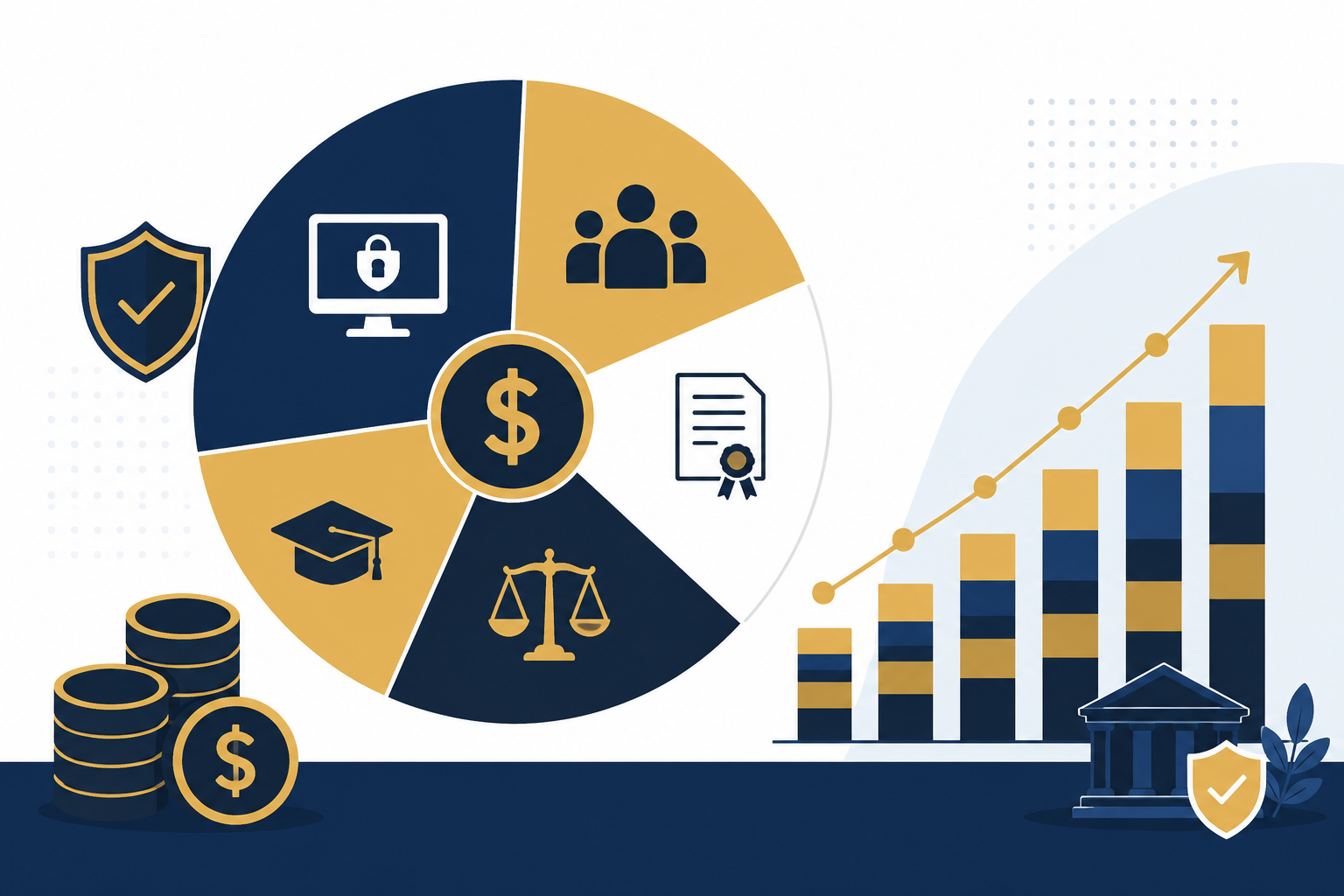
Fintech compliance costs fall into five distinct categories. Understanding each separately helps you build a realistic budget.
Technology — the software platforms that run your compliance controls. Staffing — the compliance professionals who operate and oversee your program. Licensing — the state money transmitter licenses and related costs. Legal and advisory — the outside counsel and compliance consultants who help you navigate requirements. Training — the ongoing education your team requires.
Technology Costs
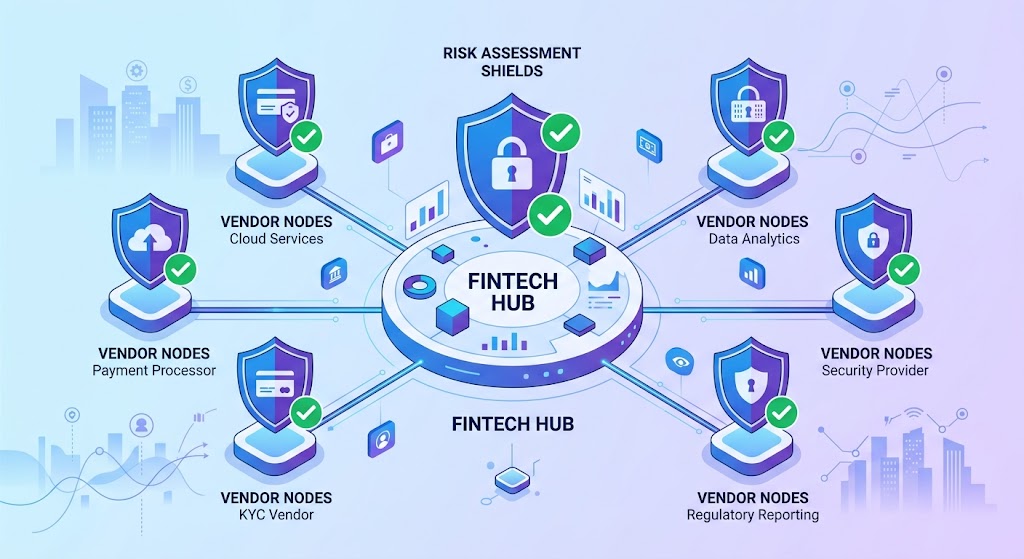
Compliance technology is typically the first major compliance expense a fintech incurs. The core technology stack for most fintechs includes a KYC platform and identity verification platform, a transaction monitoring and case management system, OFAC sanctions screening capability, and sometimes a separate AML compliance platform that integrates these functions.
Early Stage — Pre-Launch to $1M ARR
At early stage, most fintechs use vendor platforms rather than building compliance technology from scratch. Purpose-built compliance platforms price by transaction volume or monthly active users, making them accessible at early transaction volumes.
Rough monthly technology costs at early stage: KYC platform $300 to $1,500 depending on verification volume, transaction monitoring and case management $500 to $2,500, sanctions screening $200 to $800, total compliance technology stack $1,000 to $5,000 per month.
Growth Stage — $1M to $20M ARR
As transaction volume grows, per-unit costs on most platforms decline somewhat but aggregate spend increases meaningfully.
Rough monthly technology costs at growth stage: KYC platform $1,500 to $8,000, transaction monitoring $2,500 to $15,000, sanctions screening $800 to $3,000, total $5,000 to $25,000 per month.
Scale — $20M+ ARR
At significant scale, some fintechs build proprietary compliance technology or negotiate enterprise pricing with vendors. Technology costs at this stage are highly variable based on transaction volume and vendor relationships.
Staffing Costs
For early-stage fintechs, the founder or a senior operations hire typically serves as the BSA Officer alongside other responsibilities. As the business grows, dedicated compliance staffing becomes necessary.
A BSA Officer or Chief Compliance Officer in the fintech space typically commands a base salary between $120,000 and $200,000 depending on experience level and market. Compliance analysts who handle alert review, SAR investigations, and KYC exception handling typically earn $60,000 to $100,000.
A growth-stage fintech typically needs one dedicated BSA Officer and one to three compliance analysts before the need for a larger compliance team emerges. Annual staffing cost for a three-person compliance team: $240,000 to $400,000 in base compensation plus benefits and overhead.
Outsourced compliance services — using an external compliance consultant in the BSA Officer role or outsourcing specific compliance functions — can be significantly more cost-effective at early stage. Outsourced BSA Officer services typically cost $5,000 to $20,000 per month depending on scope.
Licensing Costs
State money transmitter licensing is often the largest single compliance cost category for fintechs that require it. The costs break down into application fees, surety bonds, net worth requirements, and professional fees.
For a focused initial launch in 5 to 10 priority states, first-year licensing costs typically range from $45,000 to $175,000. For a regional program covering 20 to 30 states, costs typically range from $130,000 to $420,000 in the first year. For a full national program, first-year costs can range from $280,000 to over $1,000,000.
These are not one-time costs. Annual renewal fees, ongoing surety bond premiums, and annual financial reporting costs continue every year you are licensed.
Legal and Advisory Costs
Qualified legal and compliance advisory support is essential, particularly at the stages when you are building your initial compliance program, pursuing licensing in new states, navigating regulatory inquiries or examinations, and adding new products or entering new markets.
Initial compliance program development with outside support — policy drafting, risk assessment, program design — typically costs $15,000 to $50,000 depending on scope and your chosen advisor.
Ongoing retainer relationships with compliance counsel or advisory firms that provide periodic program reviews, regulatory monitoring, and examination support typically cost $3,000 to $15,000 per month at growth stage.
Independent AML testing conducted annually by an external firm typically costs $10,000 to $30,000 depending on program complexity.
Training Costs
Annual AML training for your compliance team and relevant staff is a BSA requirement. At early stage, training costs are typically modest — $500 to $2,000 per year for off-the-shelf compliance training programs or professional development subscriptions.
CAMS certification — the primary professional credential for AML compliance professionals — involves an exam fee of approximately $1,000 to $1,500 and preparation costs of $500 to $2,000. Many growing fintechs sponsor CAMS certification for their compliance team members.
Total Compliance Cost Ranges by Stage
Pre-Launch to $1M ARR
Technology $12,000 to $60,000 annually. Staffing $0 to $80,000 with outsourced support (or $120,000+ for a dedicated hire). Licensing $0 to $175,000 for initial state applications. Legal and advisory $25,000 to $75,000. Training $1,000 to $5,000. Total first-year compliance investment $38,000 to $395,000.
$1M to $20M ARR
Technology $60,000 to $300,000 annually. Staffing $180,000 to $400,000 for a small team. Licensing ongoing costs $50,000 to $200,000. Legal and advisory $50,000 to $150,000. Total annual compliance cost $340,000 to $1,050,000.
The Cost of Non-Compliance
These numbers can feel significant for an early-stage company. The right context is comparing them to the cost of non-compliance — regulatory penalties, sponsor bank termination, emergency compliance remediation, and reputational damage — which consistently exceed the cost of building compliance correctly from the start.
A single FinCEN enforcement action can result in civil money penalties of millions to tens of millions of dollars. Losing a sponsor bank requires finding a new banking partner — a process that typically takes 6 to 12 months and significantly disrupts operations. Emergency compliance remediation conducted under regulatory pressure costs far more than proactive program building.
Frequently Asked Questions
Is compliance more expensive for crypto fintechs?
Generally yes. Crypto fintechs face additional compliance complexity — including blockchain analytics tools, Travel Rule compliance infrastructure, and in some states additional licensing regimes like New York's BitLicense — that add to the baseline compliance cost. Crypto compliance technology costs are typically 30 to 50 percent higher than equivalent traditional fintech compliance technology costs.
Can a fintech reduce compliance costs over time?
Yes. As your compliance program matures and your team builds expertise, some costs decline. Technology unit costs typically decrease at higher volumes. Legal and advisory costs often decrease as your internal team becomes more capable. However, licensing costs and staffing costs generally increase with business growth.
Should compliance costs be treated as overhead or as a business investment?
Both. Compliance costs are operational overhead — they are required to operate. But they are also a business investment — a well-built AML compliance program enables faster sponsor bank onboarding, stronger investor confidence, and the ability to add new products and markets without regulatory friction. The cost of compliance is also the cost of access to the market.
How ComplyOne Helps
ComplyOne helps fintechs build right-sized compliance programs at every stage — using technology, advisory support, and outsourced compliance functions to deliver the program your business needs at costs that are appropriate for your stage of growth.
Talk to the ComplyOne team to get started.
The information in this article is for general educational purposes and does not constitute legal or regulatory advice. Consult a qualified compliance professional for guidance specific to your situation.