Money transmitter license costs vary dramatically by state. Here is a breakdown of application fees, surety bonds, net worth requirements, and total costs — plus how to budget for a national licensing program.
How Much Does a Money Transmitter License Cost?
Money transmitter licensing is one of the most capital-intensive compliance undertakings a fintech faces. And unlike many business costs that are predictable and uniform, MTL costs vary dramatically — not just between states, but based on your transaction volume, your financial profile, and how you structure the licensing process.
Founders who discover licensing costs for the first time are often surprised by both the amounts involved and the complexity of how those costs are calculated. This article breaks down every cost component and gives you realistic ranges for a national licensing program.
As with all licensing matters — specific fees, bond requirements, and net worth thresholds change as states update their regulations. Verify current requirements directly with state regulators or through qualified licensing counsel before budgeting.
The Four Cost Components of Money Transmitter Licensing
Money transmitter licensing costs fall into four distinct categories. Understanding each separately helps you build a realistic budget.
1. State Application Fees
Every state charges an application fee to review and process your money transmitter license application. These fees are non-refundable — you pay them whether your application is approved or denied.
Application fees vary significantly by state — roughly $100 to $5,000 per state for initial applications. Most states fall in the $250 to $1,500 range.
For a comprehensive 50-state licensing program, total application fees typically range from $25,000 to $75,000. Annual renewal fees are typically lower — often $100 to $2,500 per state per year.
2. Surety Bonds
Surety bonds are typically the largest cost variable. Most states require a surety bond as financial protection for consumers.
Required bond amounts vary by state and in many states scale with your transaction volume — ranging from $10,000 to $500,000 or more.
Annual bond premiums — what you actually pay — are typically 1 to 3 percent of the required bond face value. A $100,000 bond would cost $1,000 to $3,000 per year in premium.
For a national licensing program across 40+ states, total annual bond premium costs can range from $50,000 to $500,000 or more depending on your transaction volume.
3. Net Worth Requirements
Most states require money transmitter license applicants to demonstrate minimum net worth. Common thresholds range from $100,000 to $1,000,000 or more. Meeting net worth requirements may require capitalizing your company specifically for licensing purposes before applying.
4. Professional Fees
Preparing and managing multi-state money transmitter license applications requires experienced outside help.
Single state application — $3,000 to $15,000 depending on state complexity.
10-state application package — $25,000 to $75,000.
Full 50-state program — $150,000 to $400,000 or more over the full buildout period.
Total Cost Ranges for Common Licensing Programs
Focused Initial Launch — 5 to 10 States
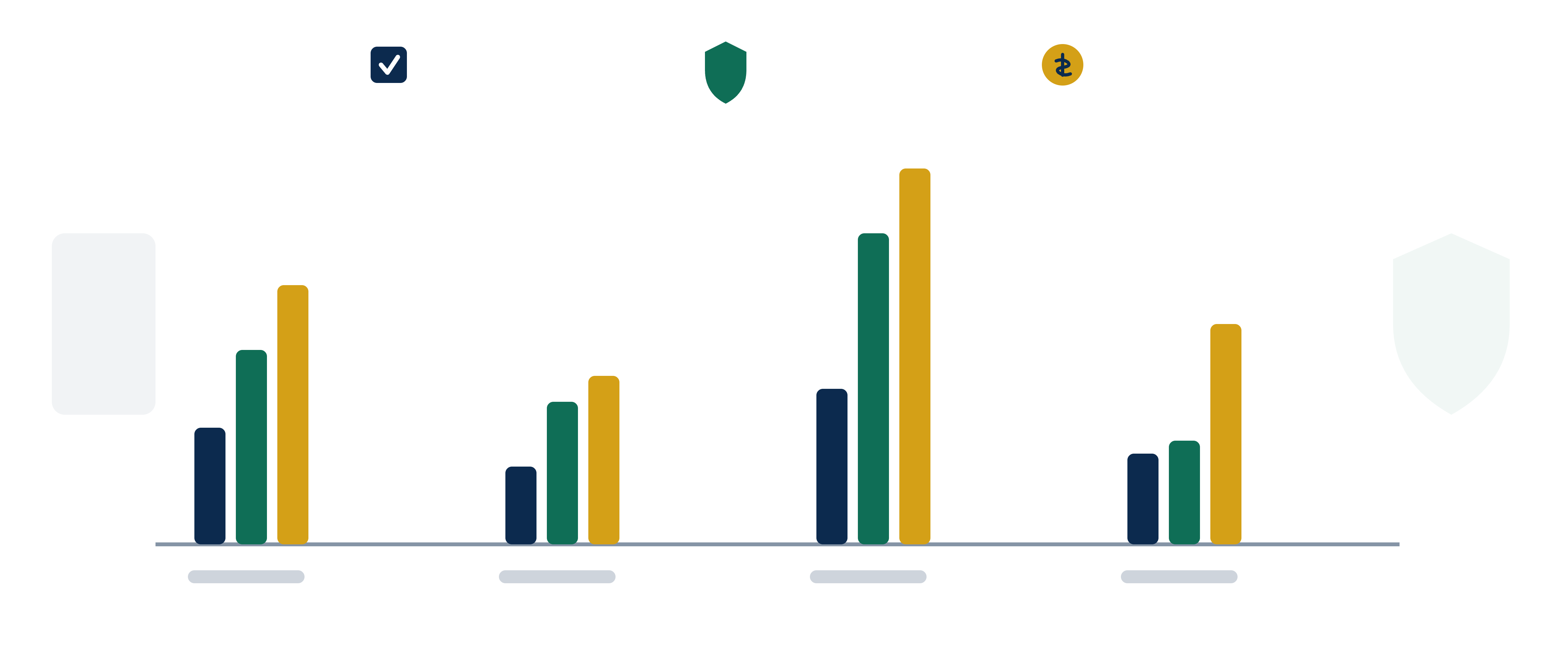
Application fees $5,000 to $25,000. Surety bonds annual premium $15,000 to $75,000. Professional fees $25,000 to $75,000. Total first-year cost — $45,000 to $175,000.
Regional Program — 20 to 30 States
Application fees $15,000 to $45,000. Surety bonds annual premium $40,000 to $200,000. Professional fees $75,000 to $175,000. Total first-year cost — $130,000 to $420,000.
National Program — 40 to 50 States
Application fees $30,000 to $100,000. Surety bonds annual premium $100,000 to $500,000+. Professional fees $150,000 to $400,000+. Total first-year cost — $280,000 to $1,000,000+.
Ongoing Annual Costs After Initial Licensing
Obtaining a license is not a one-time cost. Annual renewal fees, surety bond renewals, annual financial statement preparation, and state examination fees continue every year you are licensed. Budget for ongoing annual costs of 30 to 60 percent of your initial licensing investment per year.
Frequently Asked Questions
Is there a cheap way to get a money transmitter license?
No reliable shortcut exists. Application fees are set by state regulation and cannot be negotiated. The most cost-effective approach is a well-planned phased licensing strategy that prioritizes the right states and prepares thoroughly.
Can I reduce my surety bond costs?
Your annual bond premium is primarily driven by the required bond amount and your creditworthiness. Improving your company's financial profile and credit history over time can reduce premiums.
Do I need separate bonds for each state?
Yes. Each state's surety bond requirement is separate. You cannot use a single bond to satisfy multiple states.
How ComplyOne Helps
ComplyOne works with fintechs to develop cost-effective licensing strategies, prepare applications that minimize delays and rework costs, and manage license portfolios as businesses grow — through advisory services, compliance technology, or both.
Talk to the ComplyOne team to get started.
The information in this article is for general educational purposes and does not constitute legal or regulatory advice. Licensing fees, bond requirements, and net worth thresholds change frequently. Verify current requirements directly with state regulators or qualified legal counsel before budgeting.