Most states require a surety bond as part of money transmitter licensing. Here is how bonding requirements work, what bond amounts look like state by state, and how your transaction volume affects what you pay.
Money Transmitter License Bond Requirements by State
When fintechs research the cost of money transmitter licensing, they often focus on application fees — which are typically the smallest cost. The larger cost, and the one that surprises most founders, is the surety bond.
Most states that require money transmitter licenses also require licensees to maintain a surety bond as a condition of licensing. These bonds protect consumers in the event the licensee fails to fulfill its money transmission obligations. And they represent a significant and ongoing cost of licensed operation.
What Is a Surety Bond?
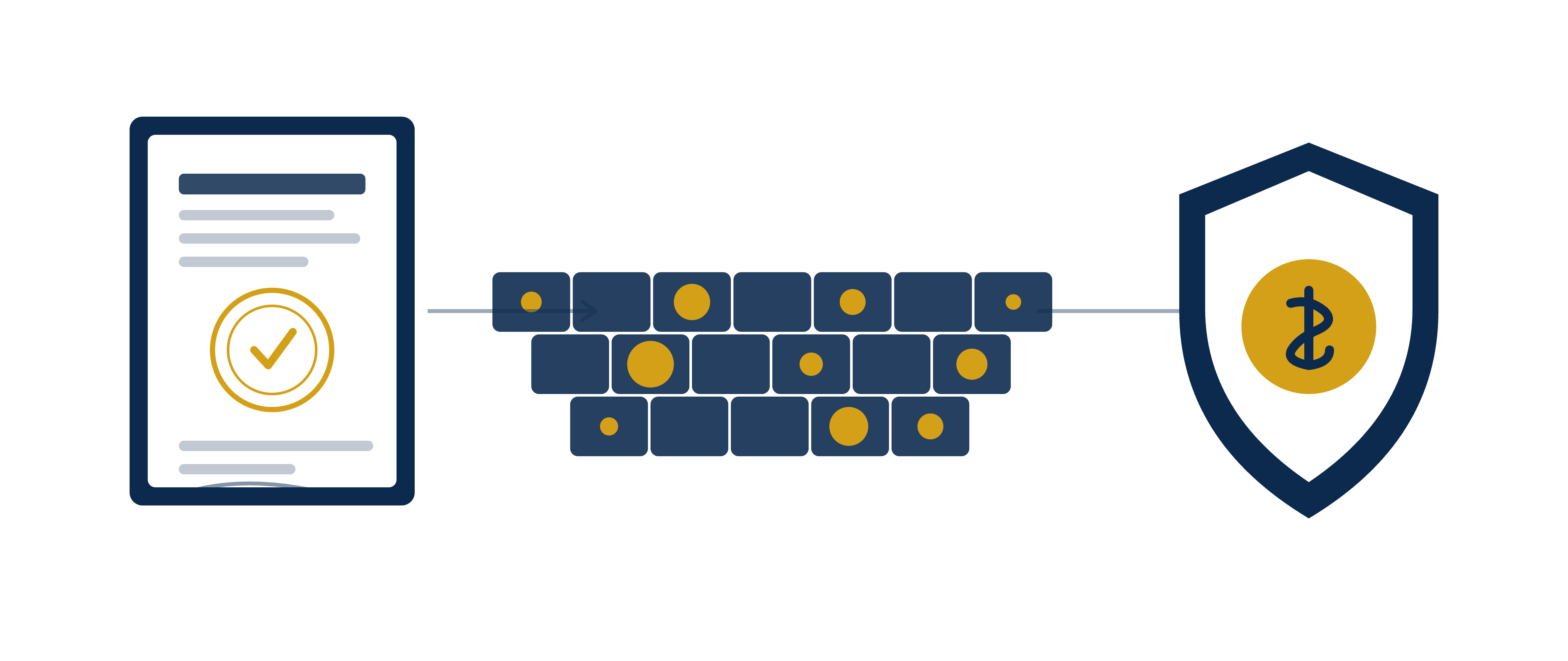
A surety bond is a three-party agreement between your business (the principal), a surety company (the bond issuer), and the state (the obligee). The surety company guarantees to the state that your business will fulfill its licensing obligations. If your business fails — and consumers suffer financial harm — they can make claims against the bond.
A surety bond is not an insurance policy. Unlike insurance, where premiums are paid and the insurer absorbs covered losses, a surety bond results in the surety company paying claims and then seeking reimbursement from your business. The bond protects consumers and the state — not your business.
How the Bonding Requirement Works
States set a required bond amount — the face value of the bond your business must maintain. This is the maximum amount that can be paid out in consumer claims against the bond.
You do not pay the full bond amount. Instead, you pay an annual premium — a percentage of the required bond amount — to the surety company in exchange for issuing the bond. The premium percentage depends on your company's creditworthiness and financial profile.
How Bond Amounts Are Set
States set bond requirements in two general ways.
Fixed bond amounts — some states set a specific bond amount regardless of transaction volume. These are typically smaller flat amounts applied uniformly to all licensees.
Variable bond amounts based on transaction volume — many states scale bond requirements to your transaction volume. As your business grows and processes more transactions, your required bond amount — and therefore your annual premium — increases.
This volume-based scaling means that bond costs are not fixed for a growing business. A rapidly growing fintech can see its annual bonding costs increase significantly as transaction volume grows.
What Bond Amounts Look Like by State
Bond requirements vary significantly. The following reflects general market experience — requirements change and should be verified directly with state regulators before applying.
Lower bond requirement states — some states require bonds in the $10,000 to $50,000 range. Annual premiums at this level are typically $100 to $1,500 depending on your financial profile.
Mid-range bond requirement states — many states require bonds in the $100,000 to $300,000 range. Annual premiums at this level range from approximately $1,000 to $9,000.
Higher bond requirement states — some states require bonds of $500,000 or more, with some scaling to $1,000,000 or higher for businesses with significant transaction volume. Annual premiums at these levels can reach $10,000 to $30,000 or more per state.
New York — New York's bond requirements for money transmitters are among the highest in the country and may be substantially larger than the ranges above for businesses with high transaction volumes.
Annual Premium Rates
Your annual premium — what you actually pay each year for the bond — depends on the required bond amount and your financial profile.
Companies with strong financials, good credit history, and established operating track records typically pay premiums in the range of 1 to 1.5 percent of the required bond amount annually.
Early-stage companies, companies with limited financial history, or companies with credit concerns typically pay premiums in the 2 to 3 percent range.
As your business establishes a track record and your financial profile strengthens, your annual premium rates may improve over time.
Building Bond Costs Into Your Budget
Bond costs are ongoing annual expenses — not one-time costs. Budget for them as a recurring annual line item that grows with your transaction volume.
For a focused initial launch in 5 to 10 states with moderate bond requirements, total annual bond premiums might range from $5,000 to $30,000. For a 30 to 40 state licensing program at growth-stage transaction volumes, total annual bond premiums can range from $50,000 to $200,000 or more.
For a full picture of money transmitter license cost including application fees and net worth requirements, see our dedicated cost guide. For a full list of MTL requirements by state, see our state checklist.
Frequently Asked Questions
Can I use one surety bond for multiple states?
No. Each state's bond requirement is separate. You must maintain individual bonds satisfying each state's specific requirements — including the required amount, the required bond form language, and the state-specific obligee designation.
What happens if a claim is made against my bond?
If a consumer or state regulator makes a valid claim against your surety bond, the surety company pays the claim up to the bond amount and then seeks reimbursement from your business. A claim against your bond is a serious event — it typically triggers a license review by the state regulator and may result in additional requirements or license action.
Do bond requirements change as my transaction volume changes?
In states that scale bond requirements to volume, yes. Most states require annual reporting of transaction volumes, and bond requirements may be adjusted based on that reporting. If your volume increases significantly during the year, some states require prompt notification and bond adjustment. Build a process for monitoring and adjusting your bond coverage as your business grows.
How ComplyOne Helps
ComplyOne helps fintechs understand their bond requirements across all licensed states, develop cost-effective bonding strategies, and manage their license and bond portfolios as their businesses grow — through advisory services and compliance support. See our guide on licensing strategy and learn how long licensing takes.
Talk to the ComplyOne team to get started.
The information in this article is for general educational purposes and does not constitute legal or regulatory advice. Bond requirements change frequently. Verify current requirements directly with state regulators or qualified legal counsel before applying.