KYC compliance costs vary widely based on customer volumes, risk profile, and technology choices. Here is a realistic breakdown of what fintechs actually spend on identity verification, ongoing monitoring, and KYC technology platforms.
KYC Compliance Cost: What Fintechs Actually Pay
One of the first questions fintech founders ask when building their compliance programs is: how much does KYC actually cost? The answer is not simple — KYC compliance costs depend on your customer volumes, your customer risk profile, the technology you choose, and whether you build or outsource various compliance functions.
This guide breaks down the major cost categories in a KYC compliance program and provides realistic ranges based on common fintech deployment patterns.
The Major KYC Cost Categories
Identity Verification Technology
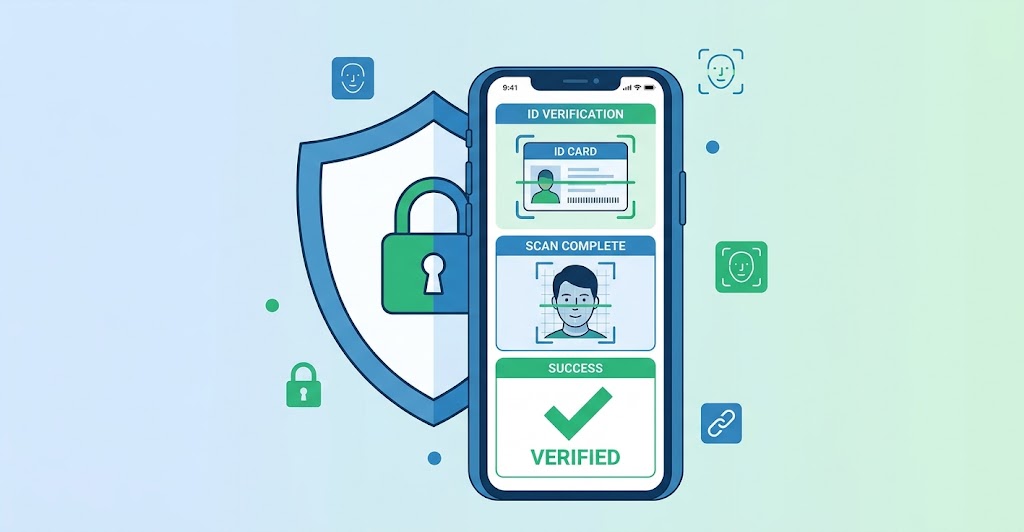
The largest and most variable KYC cost for most fintechs is the identity verification platform — the technology that collects and verifies customer identity information at onboarding. Most fintechs use one or more third-party KYC technology providers for this function.
Pricing models for identity verification technology vary significantly by provider. Per-verification pricing — a fee paid for each customer verified — is common for early-stage fintechs. This ranges from roughly $0.50 to $5.00 per verification for standard identity checks, with higher costs for more intensive verification methods such as document authentication, liveness detection, and biometric matching.
Volume-based subscription pricing becomes more cost-effective as customer volumes grow. Enterprise contracts for high-volume fintechs may price individual verifications at fractions of a dollar. For guidance on selecting a KYC technology provider, see our guide on how to choose a KYC provider.
AML Screening Costs
AML screening — including sanctions screening, PEP database screening, and adverse media screening — adds cost per customer at onboarding and for ongoing re-screening. Standalone sanctions and PEP screening services typically cost $0.05 to $0.50 per customer screened, with volume discounts at scale. Integrated screening within a broader KYC platform may be priced as part of the overall platform subscription.
Ongoing re-screening costs add to the initial onboarding screening cost — because existing customers must be re-screened when sanctions and PEP lists update, the per-customer cost of AML screening over the lifetime of a customer relationship is higher than the one-time onboarding check cost.
Enhanced Due Diligence Costs
EDD costs are driven by the volume of customers who trigger Enhanced Due Diligence requirements — PEPs, high-risk geographies, complex business structures. EDD investigations require more staff time, more data sources, and sometimes specialized outside services.
Per-investigation EDD costs for complex cases — particularly complex corporate structures or PEPs from high-risk jurisdictions — can range from $500 to $5,000 or more when specialist services are involved. For businesses with high rates of EDD-triggering customers, this is a significant cost driver.
Business Customer KYB Costs
Know Your Business verification for business customers typically costs more per customer than individual KYC. KYB involves verifying the business entity itself and identifying and verifying the beneficial owners — individuals who own 25% or more of the entity. Automated KYB platform costs typically range from $5 to $25 per business verified for standard automated checks, with manual review and complex ownership research costing significantly more.
Compliance Technology Platform
Beyond point solutions for identity verification, many fintechs invest in a broader compliance technology platform that integrates KYC, AML screening, transaction monitoring, case management, and reporting. These platforms typically price on a subscription model, with annual costs ranging from tens of thousands for early-stage fintechs to hundreds of thousands or more for high-volume platforms with complex requirements.
Compliance Staff Costs
The largest single KYC cost category for many fintechs is compliance staff — the people who review and resolve alerts, conduct EDD investigations, make account approval decisions, and manage the overall compliance program. A dedicated KYC analyst costs $60,000 to $100,000 annually in fully-loaded compensation. A BSA Compliance Officer at a fintech can cost $100,000 to $200,000 or more in total compensation.
Outsourcing some KYC functions — such as alert review or EDD investigations — to specialized compliance service providers is an alternative to building full in-house capacity, particularly for early-stage fintechs. Outsourced KYC operations typically cost $25 to $75 per hour of analyst time.
Total KYC Cost — Realistic Ranges
For an early-stage fintech onboarding a few hundred customers per month with a standard risk profile, total KYC costs including technology and staff typically range from $50,000 to $150,000 annually. For a growth-stage fintech onboarding thousands of customers monthly, costs scale to $200,000 to $500,000 or more annually. For a high-volume fintech with a complex risk profile, compliance costs can reach seven figures annually.
What Drives KYC Costs Up
Customer volume — more customers mean more verification costs. High-risk customer mix — a higher proportion of customers who trigger EDD or complex KYB review increases per-customer compliance costs substantially. Geographic complexity — serving customers from multiple high-risk jurisdictions increases both the cost of verification and the rate of EDD triggers. Manual review rates — high rates of manual review of automated decisions increase staff costs significantly.
Frequently Asked Questions
Is KYC cost per verification or a flat subscription fee?
Both models exist. Early-stage fintechs with lower volumes often use per-verification pricing, which keeps costs variable and proportional to growth. As volumes increase, subscription pricing with volume commitments typically becomes more cost-effective. Most fintechs at scale use a combination of subscription platforms and per-query pricing for specific data services.
How can fintechs reduce KYC compliance costs?
Automation is the primary cost lever — the more of the KYC process that can be handled without manual review, the lower the per-customer cost. Risk-tiered onboarding — applying lighter-touch identity verification to standard-risk customers and reserving intensive verification for higher-risk customers — is another effective cost management approach.
Does using a sponsor bank affect KYC costs?
Yes. Sponsor banks may require specific KYC technology providers or minimum verification standards that affect your technology choices and costs. In some sponsor bank relationships, compliance infrastructure costs may be partially shared or offset by the bank. Understanding sponsor bank compliance requirements before selecting technology is important for accurate cost planning.
How ComplyOne Helps
ComplyOne helps fintechs design right-sized KYC programs — using technology efficiently, applying risk-tiered verification that manages costs without creating compliance gaps, and building compliance infrastructure that scales with the business.
Talk to the ComplyOne team to get started.
The information in this article is for general educational purposes and does not constitute legal or regulatory advice. KYC technology pricing changes frequently. Consult qualified counsel and technology providers for current pricing applicable to your situation.