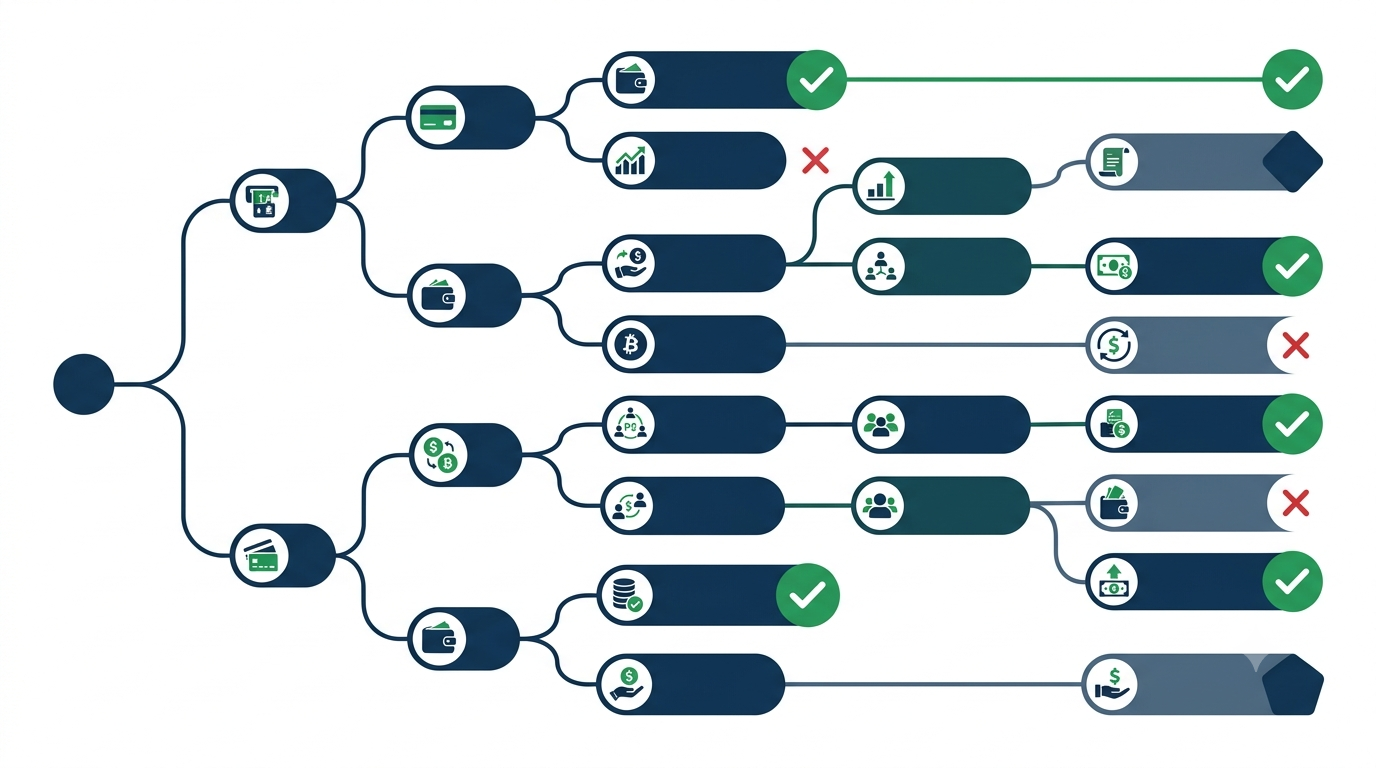
Who Needs a Money Transmitter License? A Fintech Guide
Not every fintech needs a money transmitter license — but most that move money do. Here is exactly who needs one, who is exempt, and how to determine whether your business requires licensing.
Stay ahead of compliance trends, regulatory updates, and industry best practices curated for modern fintechs.
Not every fintech needs a money transmitter license — but most that move money do. Here is exactly who needs one, who is exempt, and how to determine whether your business requires licensing.
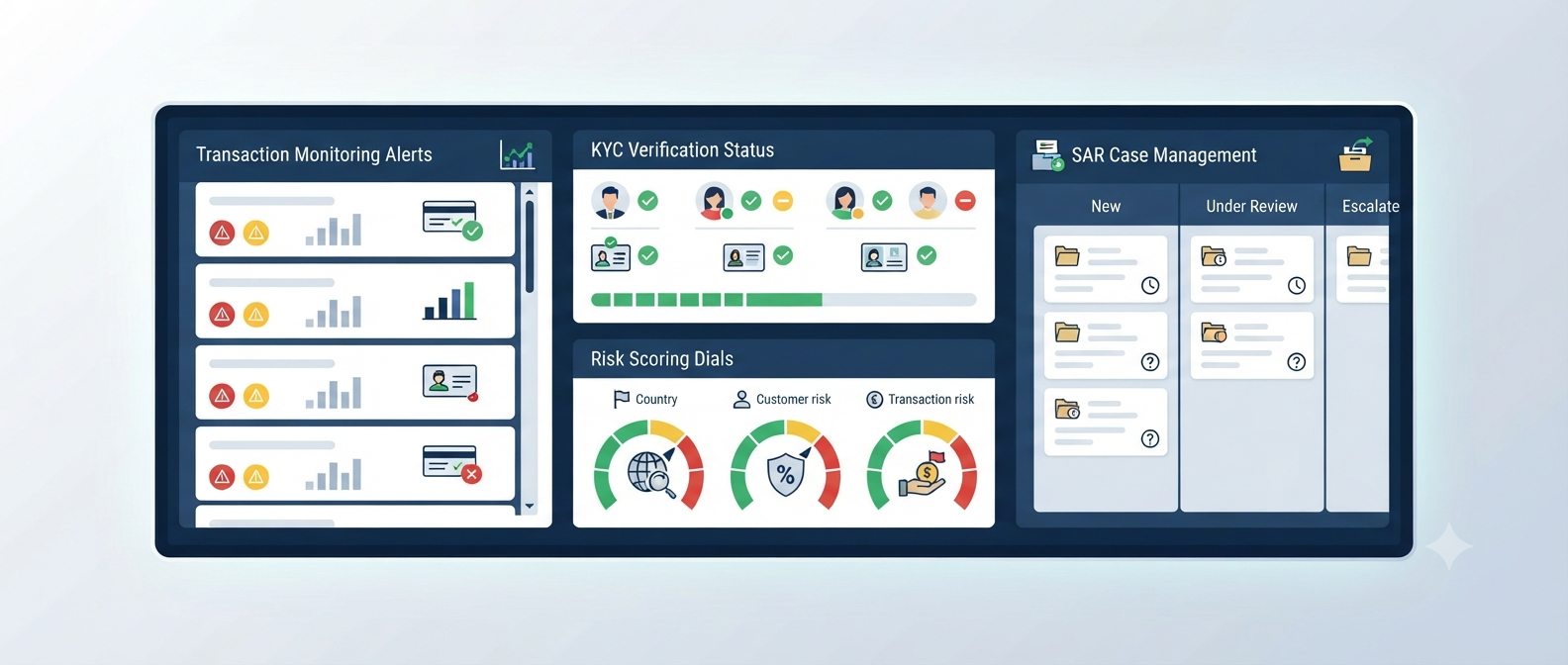
AML compliance software automates the controls your BSA program requires. Here is what it does, what features matter, how to evaluate vendors, and what regulators expect from your compliance tech stack.
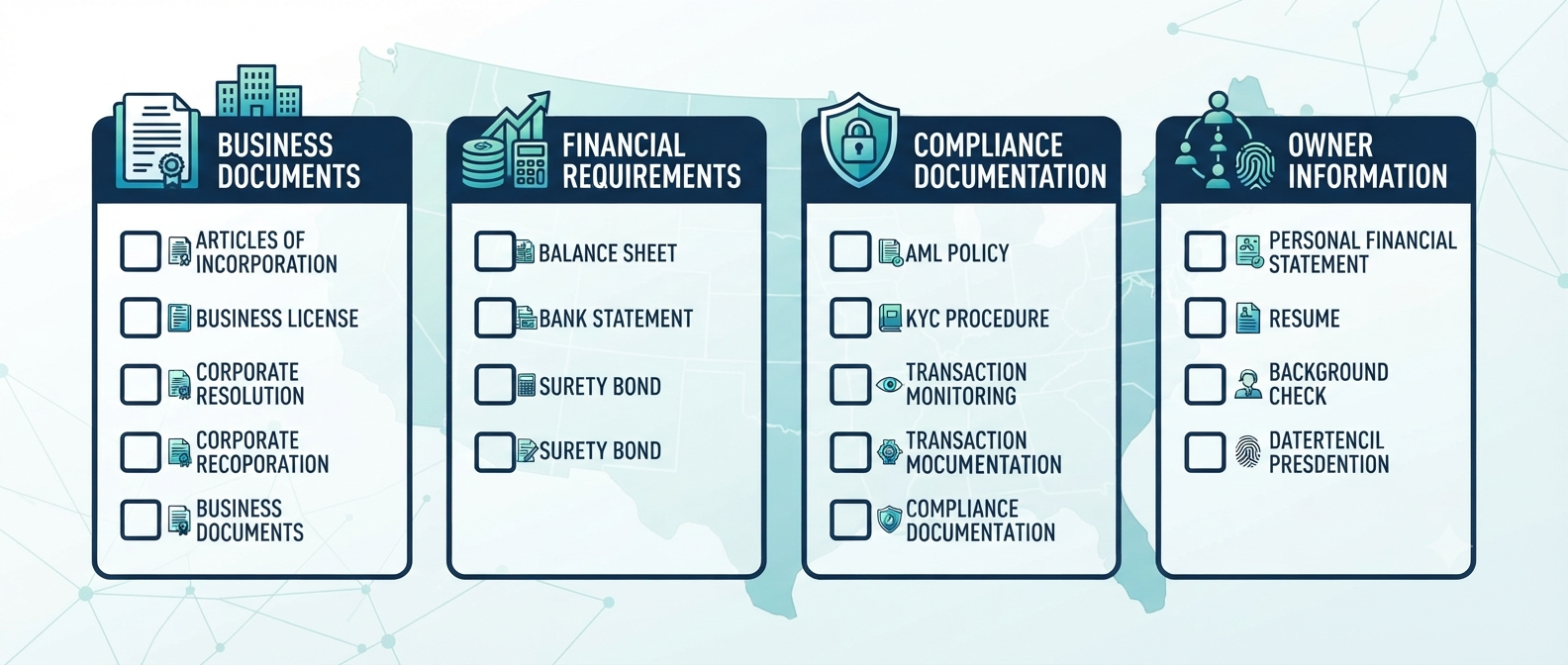
Money transmitter license requirements vary dramatically by state. Here is a practical checklist of what most states require — application materials, financial documents, compliance documentation, and ongoing obligations.
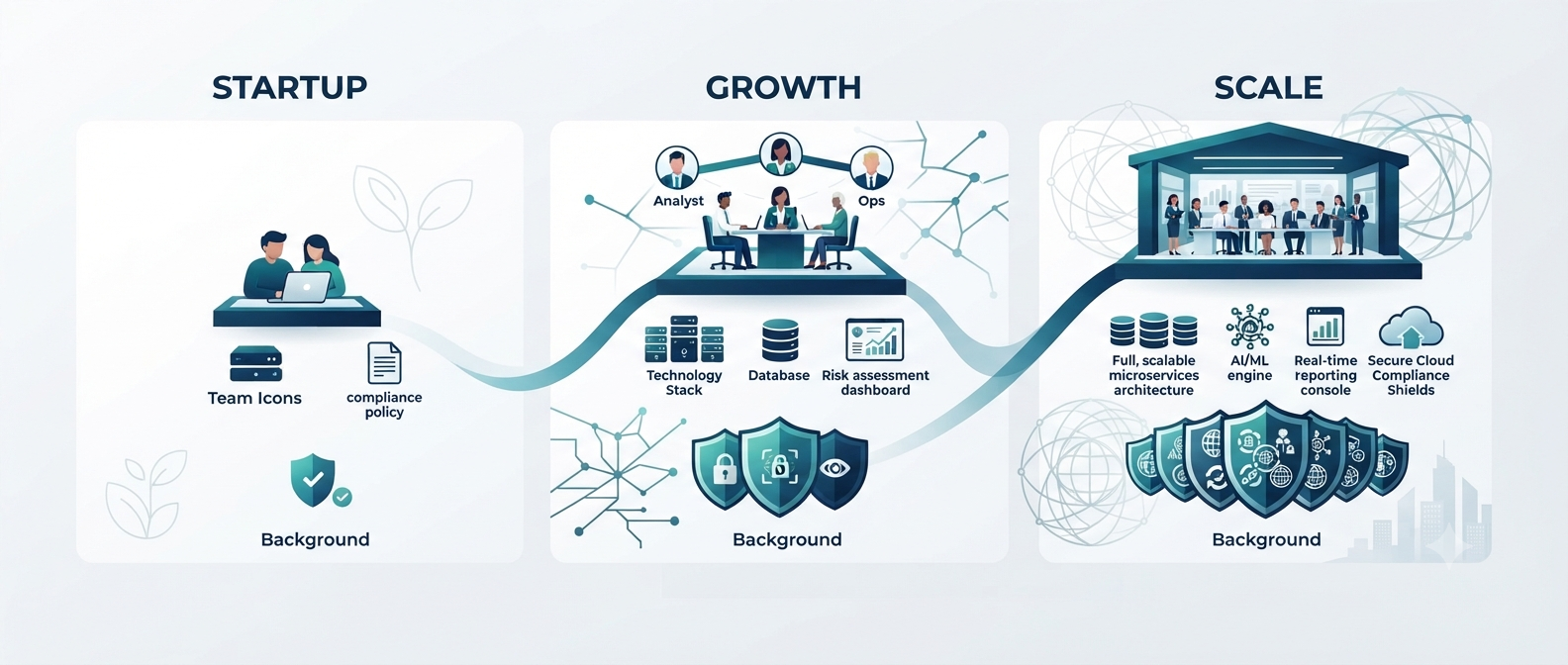
A compliance program built for a startup does not automatically scale with your business. Here is how to identify when your program needs to grow, what scaling looks like at each stage, and how to stay ahead of regulatory expectations.
New York's BitLicense is the most demanding crypto license in the U.S. Here is what it requires, what the application process looks like, how long it takes, and how to prepare your business.
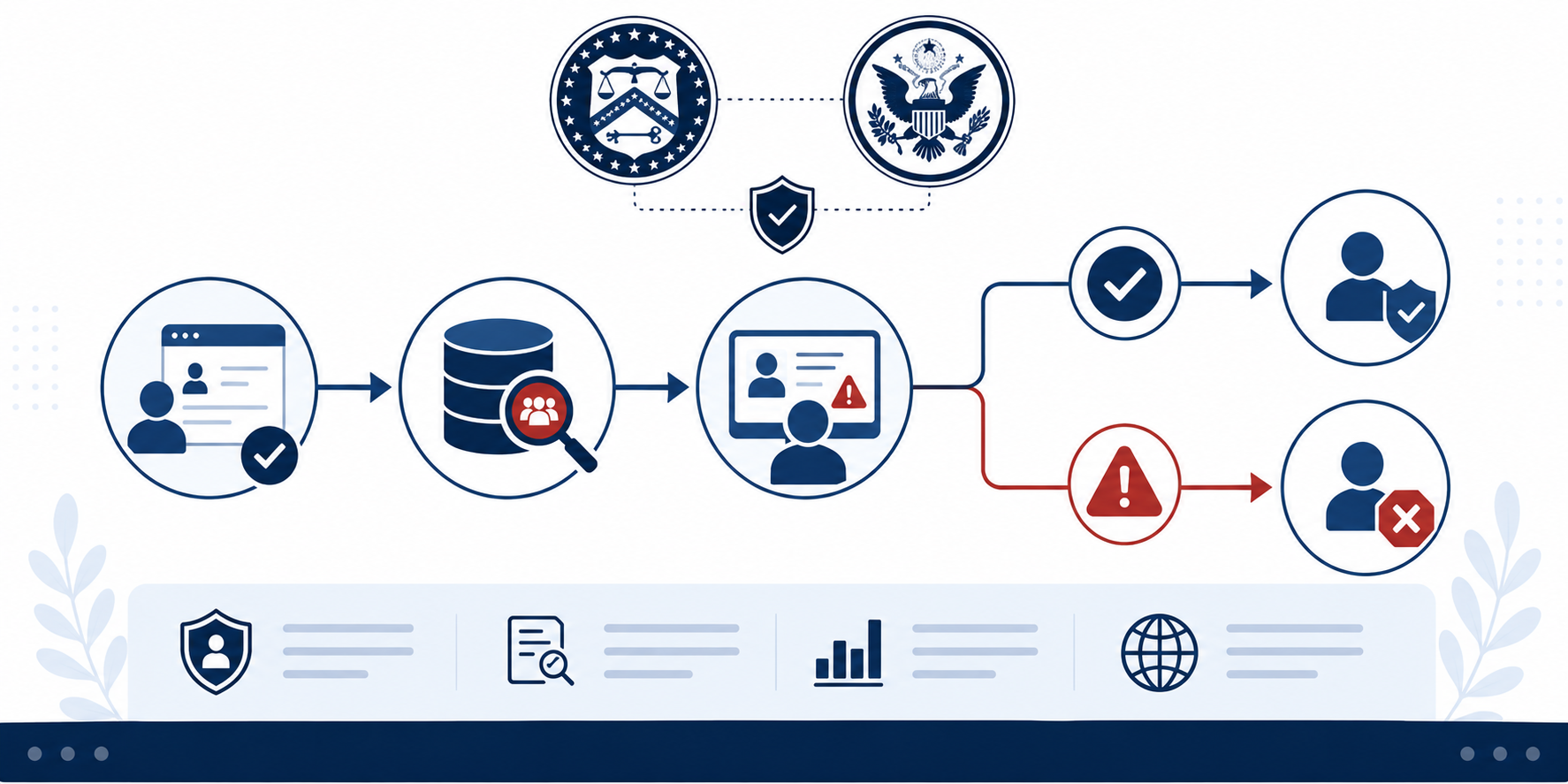
OFAC sanctions screening is required for every U.S. fintech. Here is how to actually run a compliant screening program — what to screen, when, how to handle hits, and what technology you need.
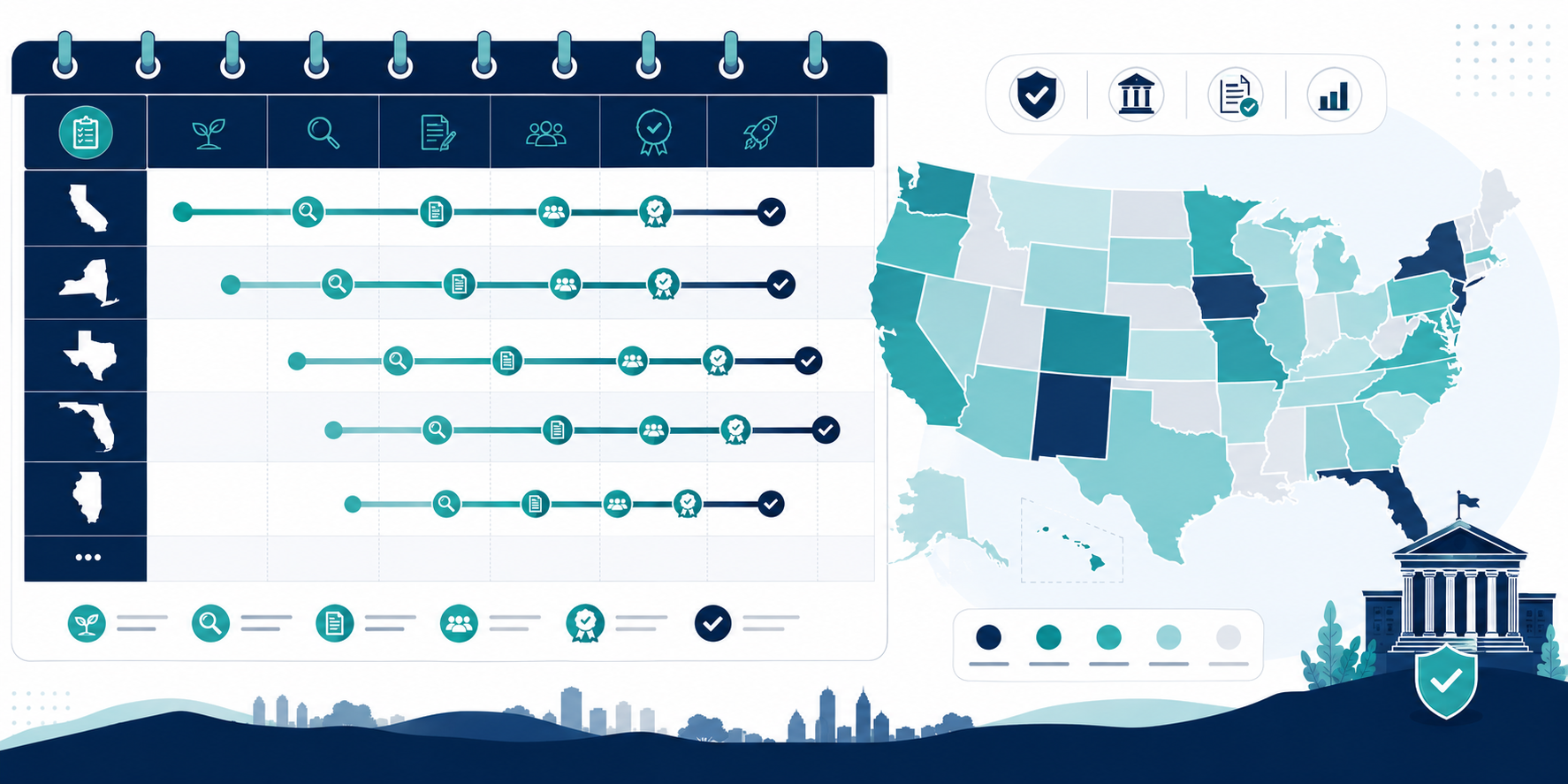
Money transmitter license timelines vary dramatically by state. Here is what to realistically expect — state by state processing times, what causes delays, and how to move faster.
Fintechs face a complex web of federal and state regulatory requirements. Here is a complete overview of what applies to most U.S. fintechs — AML, consumer protection, licensing, data privacy, and more.
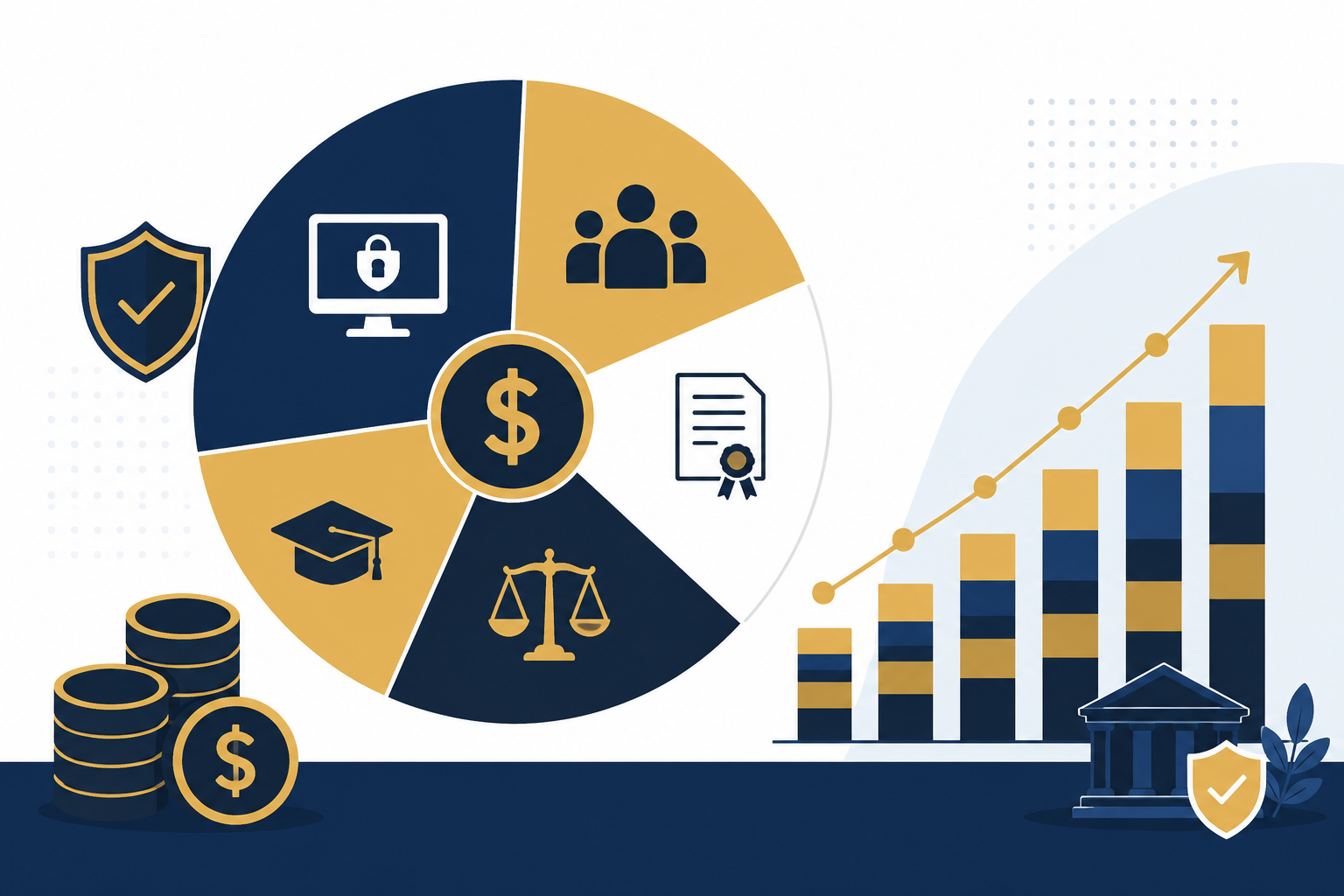
Compliance is a real operational cost for fintechs. Here is an honest breakdown of what compliance actually costs — technology, staffing, licensing, and legal — at different stages of growth.