How to Get a Money Transmitter License in Maine
A complete guide for fintechs on obtaining a Maine money transmitter license — requirements, NMLS application steps, and ongoing compliance obligations.
Stay ahead of compliance trends, regulatory updates, and industry best practices curated for modern fintechs.
A complete guide for fintechs on obtaining a Maine money transmitter license — requirements, NMLS application steps, and ongoing compliance obligations.
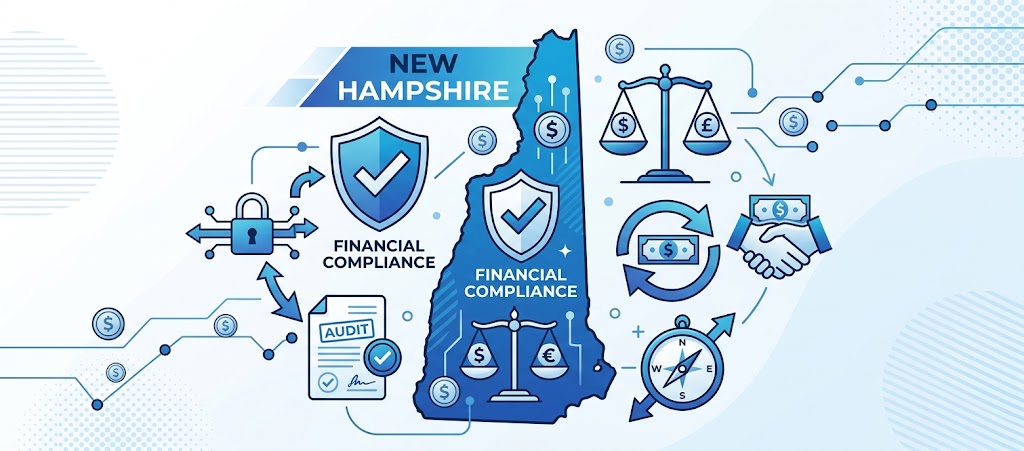
A complete guide for fintechs on obtaining a New Hampshire money transmitter license — requirements, NMLS application steps, and ongoing compliance.
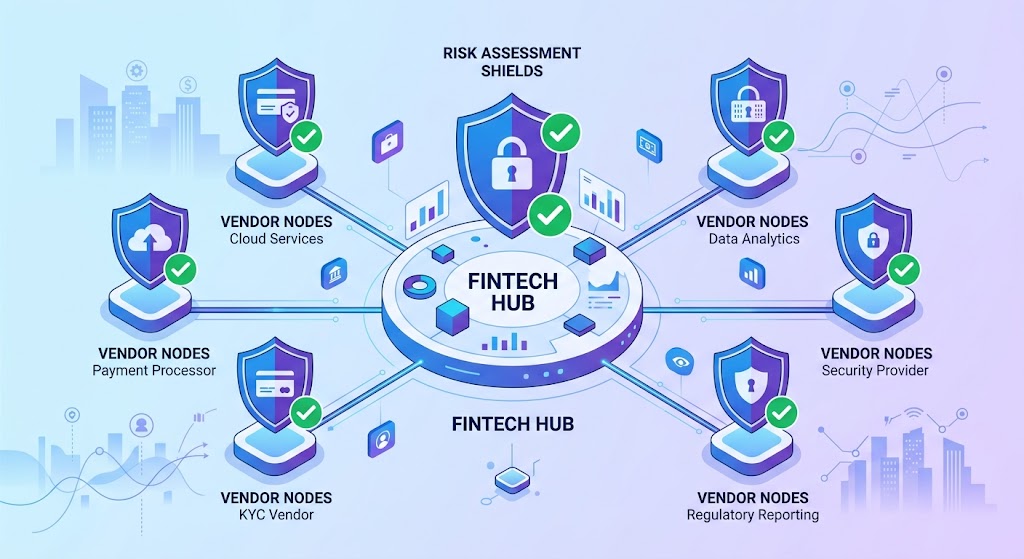
Fintechs depend on a wide network of third-party vendors — from cloud providers to payment processors to KYC vendors. Regulators hold fintechs responsible for the compliance of their vendors. This guide explains what a robust third-party risk management (TPRM) program requires.
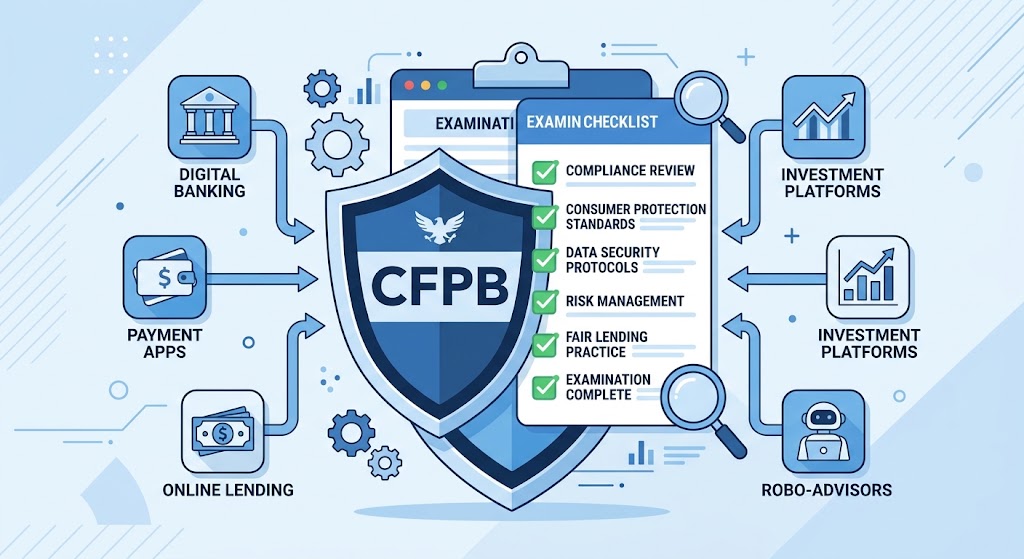
The Consumer Financial Protection Bureau has supervisory and enforcement authority over a wide range of fintechs. This guide explains who the CFPB supervises, what CFPB exams look for, and how fintechs can prepare for CFPB oversight.
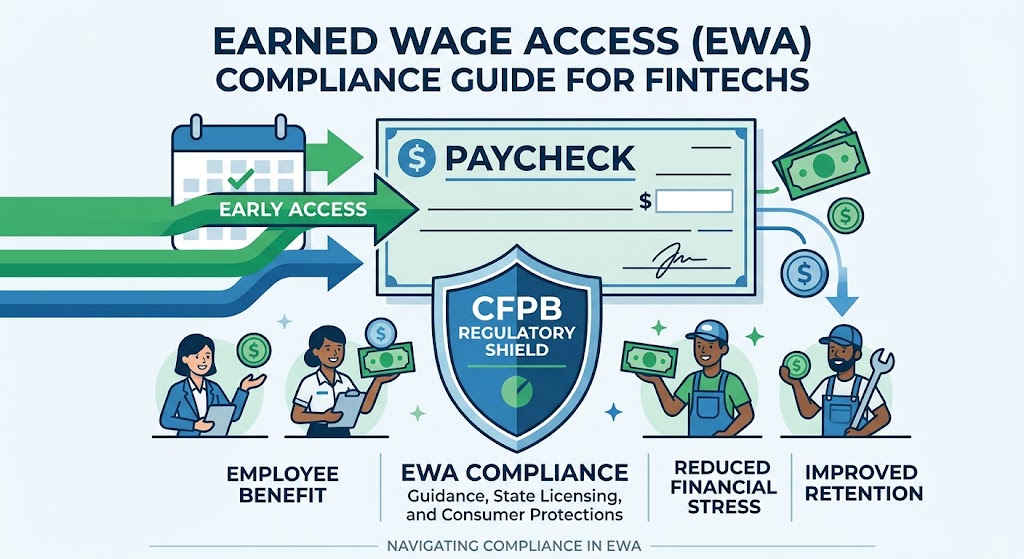
Earned wage access products — which allow workers to access earned wages before payday — are subject to evolving federal and state regulation. This guide explains the EWA compliance landscape, including CFPB guidance, state licensing requirements, and key consumer protection obligations.
The CFPB's Section 1033 rule gives consumers the right to access and share their financial data with third parties. This guide explains what open banking is, what the Section 1033 rule requires, and how it creates both compliance obligations and opportunities for fintechs.
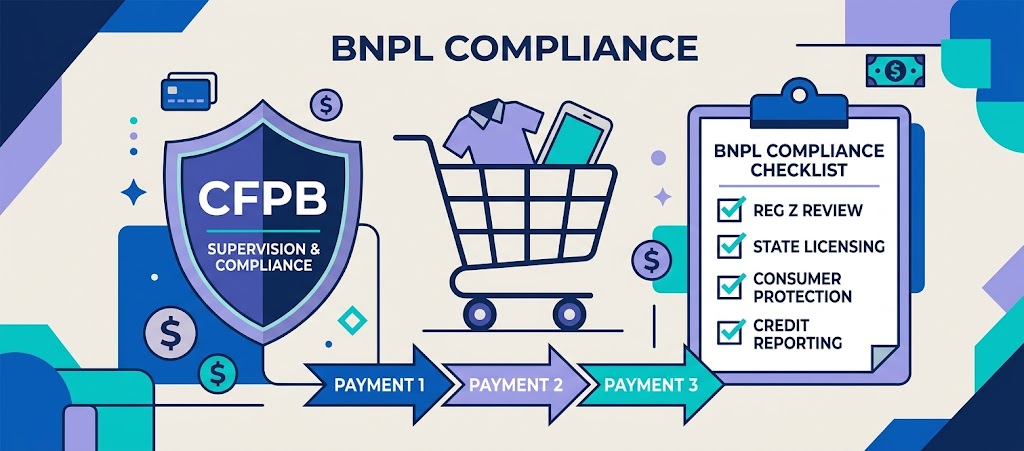
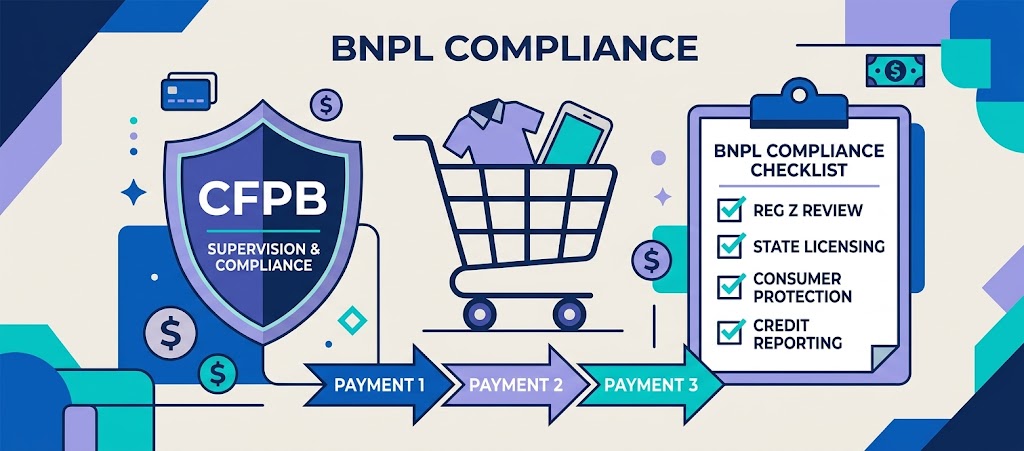
Buy Now Pay Later products face increasing regulatory scrutiny from the CFPB, state regulators, and Congress. This guide explains the current BNPL compliance landscape — from credit law applicability to state licensing requirements — and what BNPL fintechs must do to stay compliant.
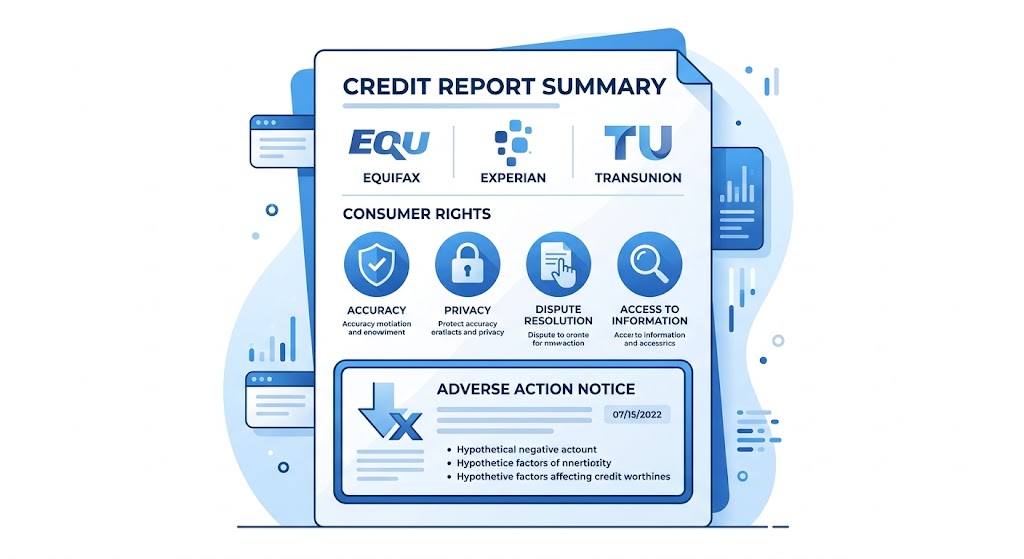
The Fair Credit Reporting Act (FCRA) governs how consumer credit information is collected, used, and shared. Fintechs that pull credit reports, furnish data to credit bureaus, or use consumer report information in decisions must comply with FCRA's strict rules.
UDAAP — Unfair, Deceptive, or Abusive Acts or Practices — is one of the most broadly applied consumer protection standards in financial services. The CFPB has broad authority to enforce UDAAP against fintechs. This guide explains what UDAAP means, how it is applied, and what fintechs must do to comply.