KYC onboarding is how fintechs verify customer identity before granting access to financial services. This guide explains the process, what you must collect, and how to build a compliant onboarding flow.
What Is KYC Onboarding? A Guide for Fintechs
Before a customer can open an account, transfer money, or access any financial product you offer, your fintech needs to verify who they are. That process — collecting identity data, running it through checks, and making a risk-based decision about whether to approve the customer — is called KYC onboarding.
Get it right and you create a fast, smooth, compliant experience that converts new customers efficiently. Get it wrong and you either let bad actors in or lose good customers to unnecessary friction.
What Is KYC Onboarding?
KYC onboarding is the process of verifying a new customer's identity at the point of account opening, in compliance with Know Your Customer (KYC) regulations.
It's how your fintech fulfills its legal obligation to know who it's doing business with before any financial services are provided. It's also the foundation of your entire risk management program — every downstream compliance decision, from transaction monitoring alerts to SAR filings, depends on having accurate, verified customer identity data from day one.
Why Is KYC Onboarding Required?
KYC onboarding is required by the Bank Secrecy Act and its implementing regulations:
- The Customer Identification Program (CIP) rule requires covered financial institutions to verify the identity of each customer at account opening
- The Customer Due Diligence (CDD) rule requires understanding the nature of the customer relationship and their expected transaction behavior
- OFAC regulations require screening customers against US sanctions lists before providing any services
If your fintech operates under a sponsor bank, your bank will contractually require you to conduct KYC onboarding as part of your program agreement. Failing to do so — or doing it poorly — can result in program remediation requirements or termination.
What Does KYC Onboarding Collect?
For individual customers, the minimum required information under CIP rules includes: full legal name, date of birth, residential address (P.O. boxes are not sufficient), and identification number (SSN for US persons; passport or national ID number for non-US persons).
Most fintechs also collect a copy of a government-issued photo ID, phone number and email address, source of funds (for higher-risk profiles), and purpose of the account or relationship.
For business customers, KYB (Know Your Business) onboarding requires additional documentation: business registration, EIN, articles of incorporation, and beneficial ownership information for anyone owning 25% or more of the entity.
How KYC Onboarding Works: Step by Step
Step 1: Data Collection
The customer enters their personal details through your app or web form. This is the information-gathering phase and the entry point for all subsequent checks.
Step 2: Document Verification
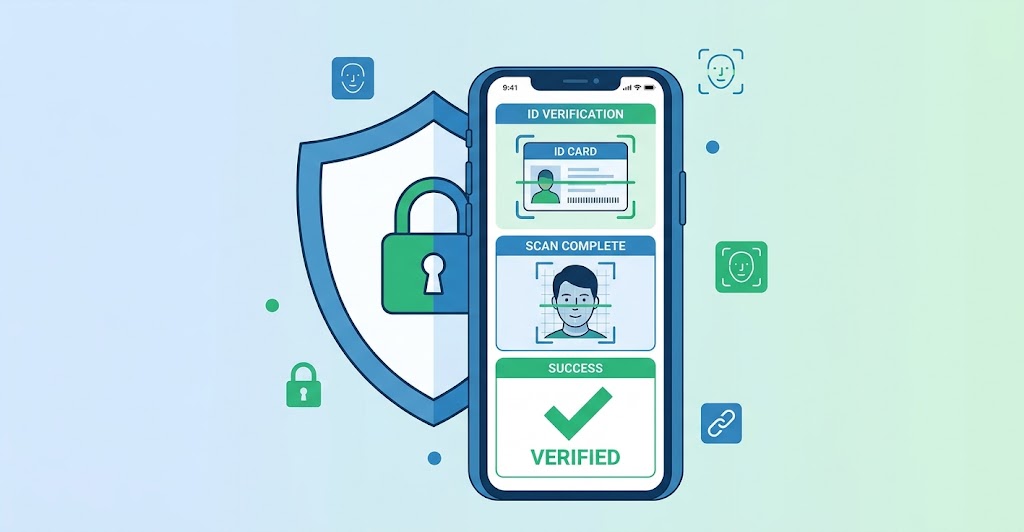
The customer submits a photo of their government-issued ID. Your KYC system uses OCR and AI to verify the document appears authentic, is not expired, and matches the data submitted.
Step 3: Biometric Verification / Liveness Check
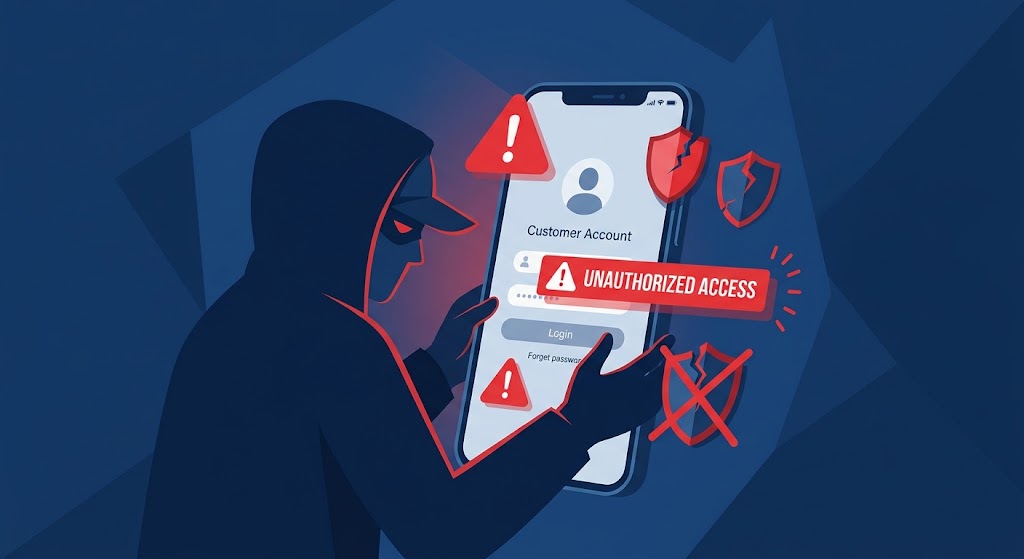
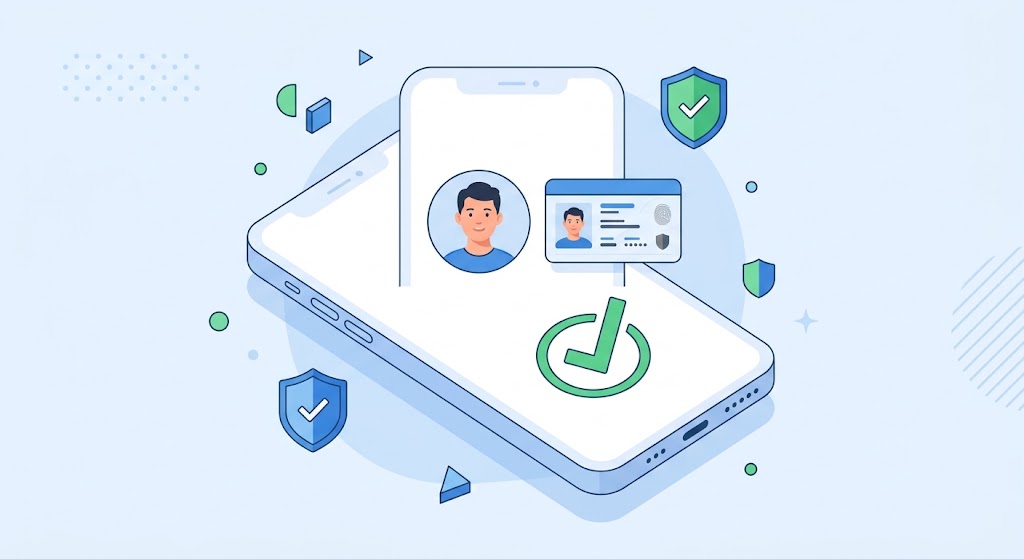
Many fintechs require a selfie or short video clip to confirm the person submitting the ID is physically present and matches the document photo. This prevents account takeover using stolen identity documents.
Step 4: Database Screening
Your system runs the customer's data against multiple external databases simultaneously: the OFAC SDN List, PEP lists, adverse media sources, and identity verification databases.
Step 5: Risk Scoring
Based on combined verification results, a risk score is assigned. Low-risk customers are auto-approved. High-risk customers require Enhanced Due Diligence before services can begin.
Step 6: Approval or Decline
Customers who pass all automated checks are approved. Those who generate alerts are routed to a compliance analyst for manual review. Customers who fail hard checks — such as an OFAC SDN match — must be declined.
Step 7: Record Keeping
All KYC records must be retained for a minimum of five years under BSA requirements.
Manual vs. Automated KYC Onboarding
Most fintechs operate a hybrid model — fully automated onboarding for the majority of customers, with manual review workflows for flagged cases.
KYC Onboarding Tools and Vendors
Most fintechs use third-party KYC providers rather than building their own infrastructure. Common providers include Alloy, Persona, Socure, Onfido, Stripe Identity, and Jumio. Our guide on how to choose a KYC provider covers evaluation criteria in detail.
Common KYC Onboarding Mistakes
- Collecting insufficient data — not meeting the minimum CIP requirements
- Skipping OFAC screening at onboarding — this is a hard regulatory requirement
- Failing to document decisions — both approvals and declines must be recorded with the rationale
- No risk scoring — treating every customer identically regardless of their risk profile
- Poor record retention — verification records must be kept for at least 5 years
- No ongoing monitoring — KYC onboarding is not a one-time event; customer data must be refreshed periodically
Frequently Asked Questions
How long should KYC onboarding take?
With a well-configured automated system, low-risk customers can be approved in under two minutes. Cases requiring manual review typically take 24–48 hours.
Is KYC onboarding required for every customer?
Yes. If your fintech is subject to BSA/AML requirements — which most are — you must complete CIP on every customer before providing financial services.
What happens if a customer fails KYC?
You must decline to open the account. If the failure involves a sanctions match, additional reporting obligations may apply. All records of the decline must be retained.
What's the difference between KYC and AML?
KYC is the process of verifying customer identity. AML is the broader program designed to detect and prevent financial crime — it includes KYC, transaction monitoring, SAR filing, and more. KYC is one essential component of a complete AML program.
This article is for educational purposes only and does not constitute legal or compliance advice. Regulations vary by jurisdiction and change frequently. Consult a qualified compliance professional or legal counsel for guidance specific to your business.