Banking as a Service lets fintechs offer bank accounts, cards, and payments without a bank charter. This guide explains how BaaS works, who the key players are, and what compliance obligations come with it.
What Is Banking as a Service (BaaS)? A Plain-English Guide for Fintechs
If your fintech offers a debit card, a bank account, or the ability to hold customer funds — but you don't have a bank charter — you're almost certainly using Banking as a Service.
BaaS is the infrastructure layer that makes embedded finance possible. It lets non-bank companies offer banking products by plugging into a licensed bank's infrastructure through an API. But it comes with real compliance obligations that many founders underestimate.
Here's what you need to know.
What Is Banking as a Service (BaaS)?
Banking as a Service (BaaS) is a model where a licensed bank provides its regulated infrastructure — deposit accounts, payment rails, card issuance, and sometimes lending — to non-bank companies through an API.
The non-bank uses that infrastructure to build their own branded financial products. The bank remains the regulated entity behind the scenes. This arrangement is also referred to as embedded finance, sponsor banking, or bank-fintech partnership.
How BaaS Works
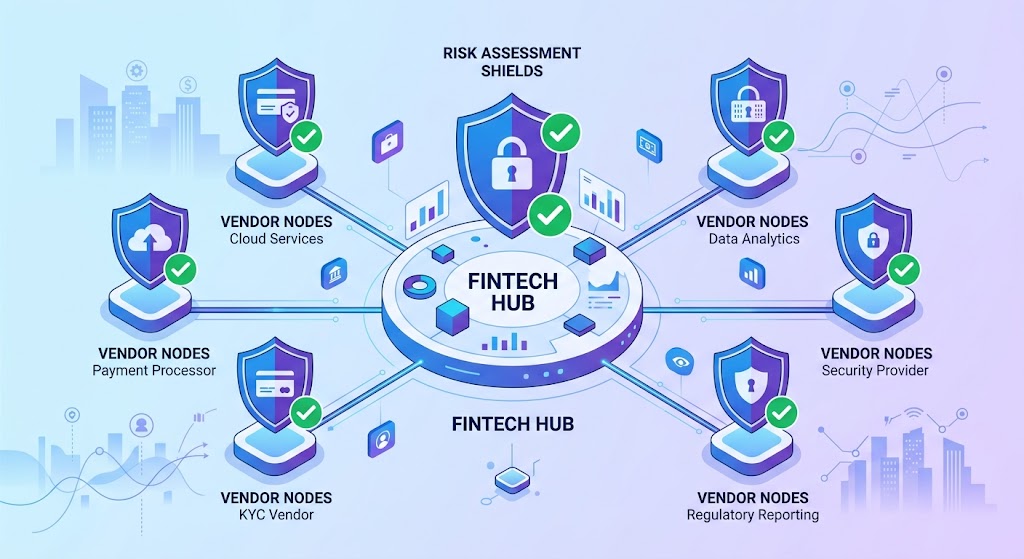
The basic structure looks like this:
- A licensed bank (the sponsor bank or BaaS provider) holds the regulatory licenses and FDIC insurance
- A technology layer (often a BaaS middleware platform) connects the bank's core systems to an API
- A fintech (the program manager or distributor) builds a product on top of that API
- End users interact with the fintech's app or product, not the bank directly
The bank is the regulated entity. The fintech is the customer-facing brand. The middleware handles the pipes between them.
What Products Can Fintechs Build With BaaS?
BaaS enables a wide range of financial products:
- Checking and savings accounts — branded under the fintech's name, held at the sponsor bank
- Debit cards — issued through Visa or Mastercard networks via the bank's card program
- Money transfers and payments — using the bank's payment rails (ACH, wire, RTP)
- Prepaid cards — loaded with customer or employer funds
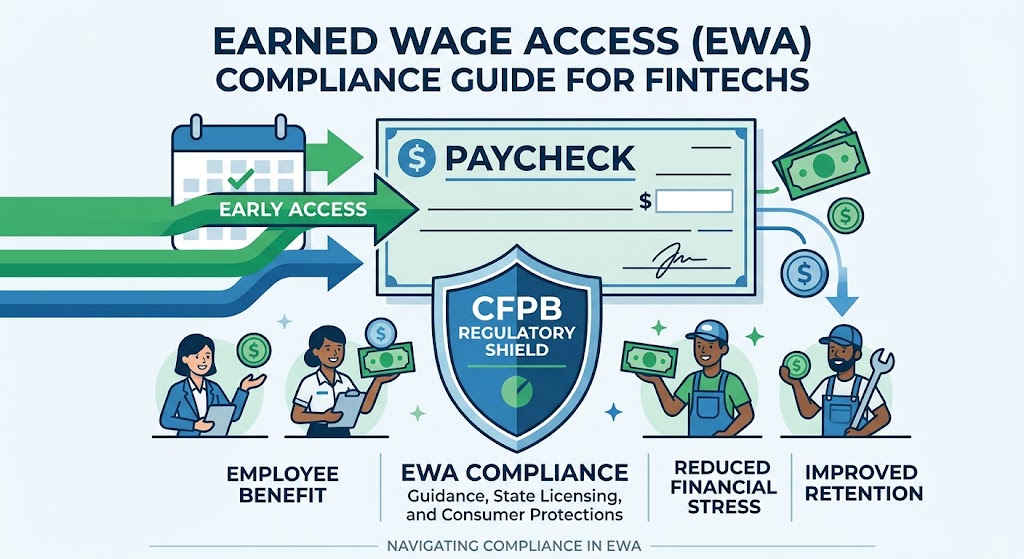
- Earned wage access (EWA) — early paycheck advances
- Buy Now, Pay Later (BNPL) — short-term consumer credit
- Business banking — accounts and cards for SMBs and startups
- Lending products — personal loans, business credit lines, mortgages
BaaS vs. Getting Your Own Bank Charter
Most fintechs start with BaaS because it's faster and cheaper than getting a bank charter. Obtaining a de novo bank charter can take 2–5 years and cost millions of dollars in capital. BaaS lets you launch in months.
As fintechs grow, some pursue their own bank charter for greater control and economics. Most operate under BaaS indefinitely.
Who Are the Major BaaS Players?
The BaaS ecosystem has three layers:
Sponsor Banks (the chartered, regulated entities): Column Bank, Cross River Bank, Evolve Bank & Trust, Sutton Bank, Blue Ridge Bank, Coastal Community Bank
BaaS Middleware Platforms (the technology layer connecting bank to fintech): Unit, Treasury Prime, Bond, Marqeta, Solid
Fintechs building on top: Chime, Dave, Mercury, Brex, Ramp, and thousands of smaller companies
The collapse of Synapse in 2024 was a major wake-up call for the BaaS industry, highlighting what happens when middleware platforms fail and customer funds become unreconciled between multiple banks. It led to increased regulatory scrutiny of BaaS partnerships.
What Compliance Comes With BaaS?
This is where many fintech founders get surprised. When you operate under a BaaS model, you don't escape compliance — you inherit it from your sponsor bank, and often you take on primary responsibility for executing it.
BSA/AML Compliance
Your sponsor bank is required by the Bank Secrecy Act to maintain a robust AML program. They will pass those requirements down to you contractually. Expect to build and operate:
- A written AML compliance program
- A Customer Identification Program (CIP)
- Customer Due Diligence (CDD) and Enhanced Due Diligence (EDD) for high-risk customers
- Ongoing transaction monitoring
- SAR filing capabilities
- OFAC sanctions screening at onboarding and on an ongoing basis
KYC/KYB Requirements
You're required to verify the identity of every customer before they access banking services. For individuals, this means name, date of birth, address, and government ID number. For business customers, you'll also collect beneficial ownership information under KYB requirements.
Sponsor Bank Audits
Your sponsor bank will audit your compliance program — typically annually, sometimes more frequently. Expect reviews of your KYC records, AML controls, transaction monitoring rules, and SAR decisions. Failing a sponsor bank audit can result in program remediation requirements or program termination.
Consumer Protection Rules
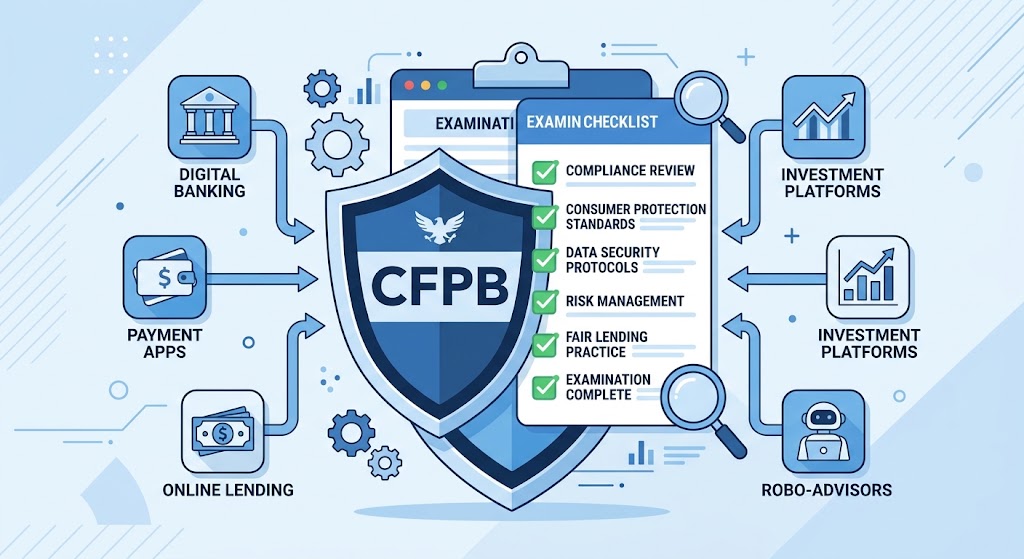
If you're offering deposit accounts, your customers have rights under Regulation E (electronic fund transfers). If you're offering credit, Regulation Z applies. And UDAAP rules enforced by the CFPB apply to any consumer-facing financial product.
Money Transmitter Licensing
Depending on your product, you may need a money transmitter license in some or all states — even if you're using a BaaS model. Your sponsor bank or legal counsel can help determine your specific licensing obligations.
The Regulatory Risk in BaaS Today
Regulators have increased scrutiny of BaaS partnerships significantly since 2023. The OCC, FDIC, and Federal Reserve have all issued guidance and enforcement actions related to bank-fintech arrangements. Sponsors now require more robust compliance programs from their fintech partners, and some banks have exited the BaaS market entirely.
If you're launching a BaaS-powered product, expect to demonstrate a real compliance program — not just a compliance plan on paper.
Frequently Asked Questions
Is BaaS the same as embedded finance?
These terms are often used interchangeably. BaaS is the infrastructure model; embedded finance is the broader concept of integrating financial services into non-financial products. BaaS enables embedded finance.
Do I need any licenses to use BaaS?
It depends on what you're doing. If you're transmitting money between parties, you may need a money transmitter license in some states regardless of your BaaS arrangement. Your sponsor bank should advise you on your specific obligations.
Is customer money safe in a BaaS account?
Funds held at an FDIC-insured sponsor bank are insured up to $250,000 per depositor — as long as the bank maintains proper records. The Synapse collapse showed that poor recordkeeping between middleware platforms and banks can put customer funds at risk.
Who regulates BaaS?
The sponsor bank is regulated by its primary federal regulator (OCC, FDIC, or Federal Reserve). The fintech is supervised indirectly through the sponsor bank relationship and may have its own state-level licenses.
What should I look for in a BaaS partner?
Look for regulatory stability, strong compliance infrastructure, contractual clarity around liability and audit rights, and experience with your specific product type.
This article is for educational purposes only and does not constitute legal or compliance advice. Regulations vary by jurisdiction and change frequently. Consult a qualified compliance professional or legal counsel for guidance specific to your business.