Most fintechs don't realize there are two separate compliance tracks for money services businesses in the U.S. — federal FinCEN registration and state-level licensing. This guide explains both, how they interact, and which your business needs.
MSB License in the USA: Federal Registration vs. State Licensing Explained
When founders ask about getting an "MSB license" in the United States, they are usually unknowingly asking about two different things — and the distinction matters enormously for compliance.
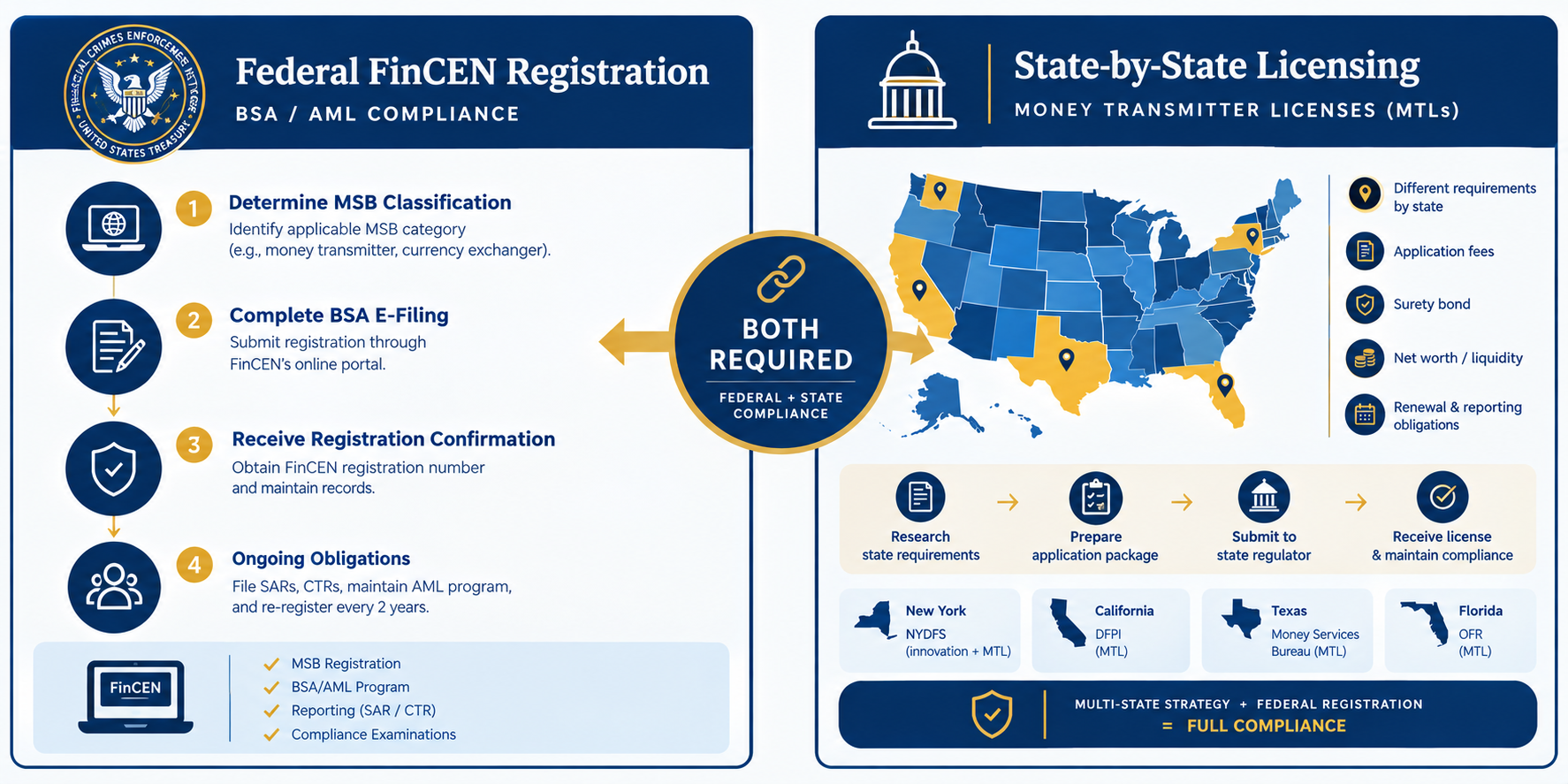
Money services businesses in the U.S. operate under a two-track regulatory structure: federal registration with FinCEN and state-level licensing in each state where they operate. These are separate requirements, administered by separate regulators, with different applications, different obligations, and different consequences for non-compliance.
This guide explains both tracks, clarifies what each one requires, and tells you which your business needs.
What Is a Money Services Business (MSB)?
Before separating the tracks, it helps to understand what qualifies as an MSB. Under FinCEN's regulations, a money services business is any person doing business — whether or not on a regular basis or as an organized or licensed business concern — in one or more of the following capacities:
- Currency dealer or exchanger
- Check casher
- Issuer of traveler's checks, money orders, or stored value
- Seller or redeemer of traveler's checks, money orders, or stored value
- Money transmitter
- U.S. Postal Service
Most fintechs that move money fall under the "money transmitter" definition, though some also qualify under stored value or currency exchange categories.
Track 1: Federal FinCEN Registration
What It Is
The Financial Crimes Enforcement Network (FinCEN) is a bureau of the U.S. Department of the Treasury responsible for administering the Bank Secrecy Act (BSA). Any company that qualifies as an MSB under FinCEN's definition must register with FinCEN within 180 days of beginning MSB activities.
FinCEN registration is done through the BSA E-Filing System and is free of charge. It is a relatively straightforward administrative process compared to state licensing.
What It Requires
FinCEN registration is not a license — it is a registration. Registering with FinCEN does not authorize you to conduct money transmission. It tells the federal government that you are operating as an MSB and subjects you to BSA/AML obligations.
Upon registration, an MSB must:
- Maintain an effective AML/BSA compliance program with written policies and procedures
- Designate a BSA compliance officer
- Implement a customer identification program
- File Suspicious Activity Reports (SARs) for transactions that may involve money laundering or other financial crimes
- File Currency Transaction Reports (CTRs) for cash transactions over $10,000
- Maintain transaction and customer records for five years
- Re-register with FinCEN every two years
How to Verify Registration Status
FinCEN maintains a public database called the MSB Registrant Search. You can use it to verify whether a company is registered as an MSB and when their registration expires. See our guide on how to use the FinCEN MSB Registrant Search for step-by-step instructions.
Track 2: State Money Transmitter Licensing
What It Is
In addition to federal FinCEN registration, most states require money transmitters to obtain a separate state-level license before conducting money transmission within that state. These are called money transmitter licenses (MTLs), though some states use different terminology (e.g., "money services license," "transmitter of money," or "seller of payment instruments").
Unlike FinCEN registration, state MTL licensing is administered by each state's financial regulator independently — meaning 50 different regulators, 50 different application processes, 50 different fee structures, and 50 different sets of ongoing compliance requirements.
What It Requires
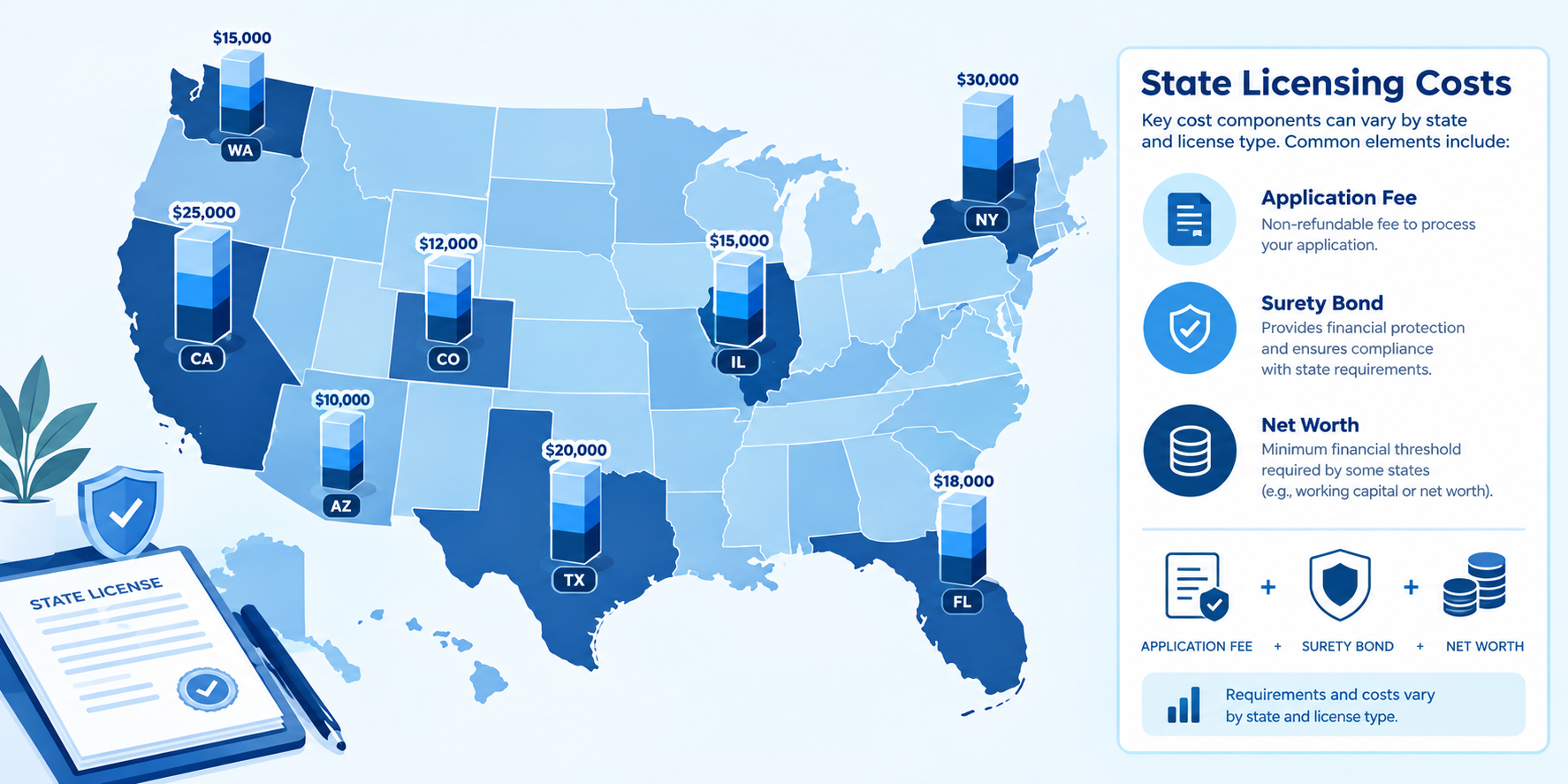
State MTL requirements vary significantly by state but typically include:
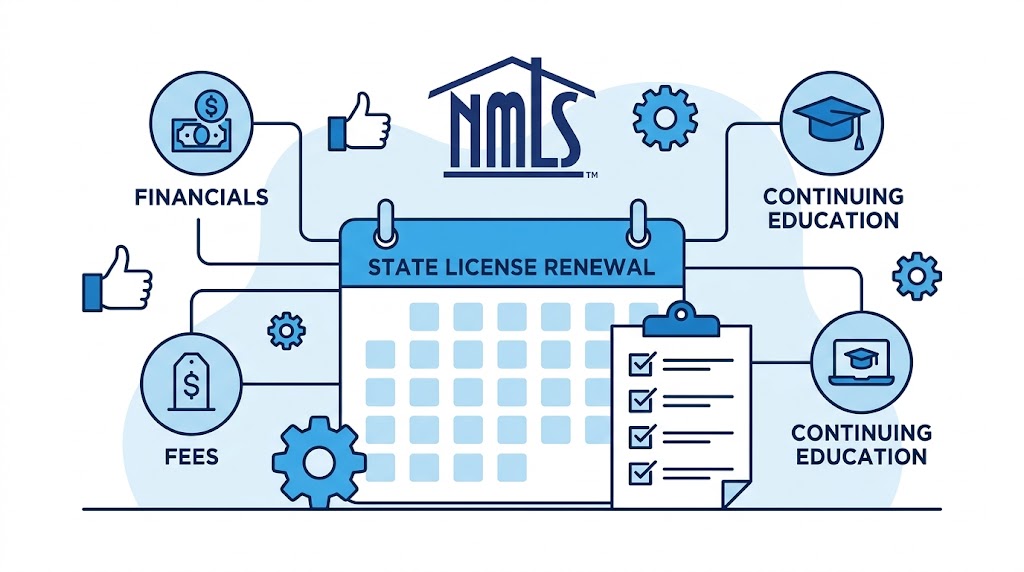
- A formal license application filed through the Nationwide Multistate Licensing System (NMLS)
- Surety bond or equivalent financial security
- Minimum net worth requirements
- Background checks on principals and controlling persons
- A documented AML/BSA compliance program
- A business plan with financial projections
- Ongoing annual renewal and reporting
For a full state-by-state breakdown, see our money transmitter license requirements by state guide. To look up specific state requirements, use the NMLS Consumer Access tool.
Which States Require It?
Most U.S. states require money transmitters to obtain a state license. A small number of states — most notably Montana — do not have a money transmitter licensing statute. A few others have de minimis volume thresholds below which no license is required. However, you should never assume you do not need a state license without verifying the current statute for each state where you operate.
How the Two Tracks Interact
Federal FinCEN registration and state MTL licensing are separate but complementary obligations. You need both — registration does not substitute for a state license, and state licensing does not substitute for federal registration.
The key interactions to understand:
- FinCEN registration is a prerequisite for state applications in many states — your state application will often ask for your FinCEN MSB registration number
- Your AML/BSA compliance program satisfies both — a well-structured BSA program meets the compliance requirements for both FinCEN and most state regulators
- State examiners can enforce BSA violations — in many states, state examiners have authority to examine your BSA compliance program and refer violations to FinCEN
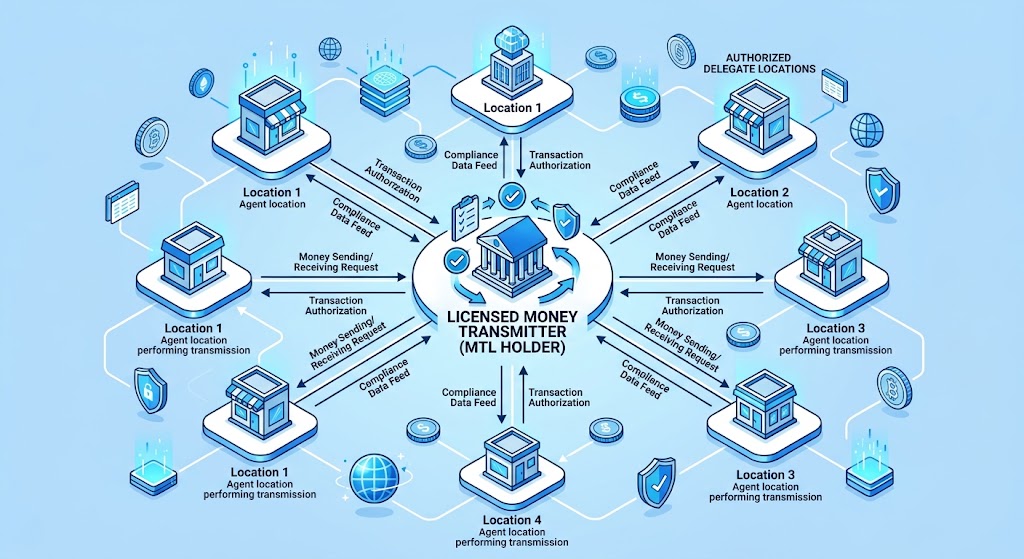
- Agent relationships create additional complexity — if you use authorized delegates to conduct money transmission on your behalf, the licensing obligations for those agents depend on state-specific rules
Common Misconceptions
"FinCEN registration is my license"
No. FinCEN registration is a federal compliance registration that subjects you to BSA/AML obligations. It is not a license to conduct money transmission. Operating without state MTLs in states that require them is illegal, regardless of your FinCEN registration status.
"I only need a license in my home state"
No. You generally need a license in every state where your customers are located and where your money transmission activities occur — not just where your company is incorporated or headquartered.
"My bank partnership covers my licensing"
This depends entirely on the structure of your arrangement. In a bank partnership or Banking-as-a-Service model, the bank's charter may cover certain regulated activities. However, many embedded finance and BaaS arrangements still require the fintech partner to hold its own licenses. Never assume a bank partnership eliminates your licensing obligations — confirm the structure in writing with your banking partner and counsel.
"I'm below the threshold so I'm exempt"
Some states have volume thresholds below which MTL licensing is not required. But threshold exemptions are state-specific and change over time. Relying on a threshold exemption without current legal advice is a meaningful compliance risk.
Does Your Business Need an MSB License?
Not every fintech that touches money qualifies as an MSB. The analysis depends on your specific product, how funds flow, and whether you are acting as principal or as an agent of a licensed entity. See our guide to who needs a money transmitter license for a business model–by–business model breakdown.
This article is for informational purposes only and does not constitute legal advice. MSB licensing requirements vary by state and are subject to change. Consult qualified legal counsel before making licensing decisions.
Talk to the ComplyOne team to get started.