Yes, startups can get money transmitter licenses — but you need to understand the requirements, minimum thresholds, and common obstacles early-stage companies face in the application process.
Can Startups Get Money Transmitter Licenses? What You Need to Know
One of the most common questions early-stage fintech founders ask is whether their company can get a money transmitter license (MTL) before they have a long operating history, substantial revenue, or a large team. The short answer is yes — startups can and do get money transmitter licenses. But the requirements are real, and there are specific obstacles that early-stage companies frequently encounter.
This guide walks through what regulators expect, what minimum thresholds apply, and how startups can position themselves successfully in the licensing process.
Do Startups Need a Money Transmitter License?
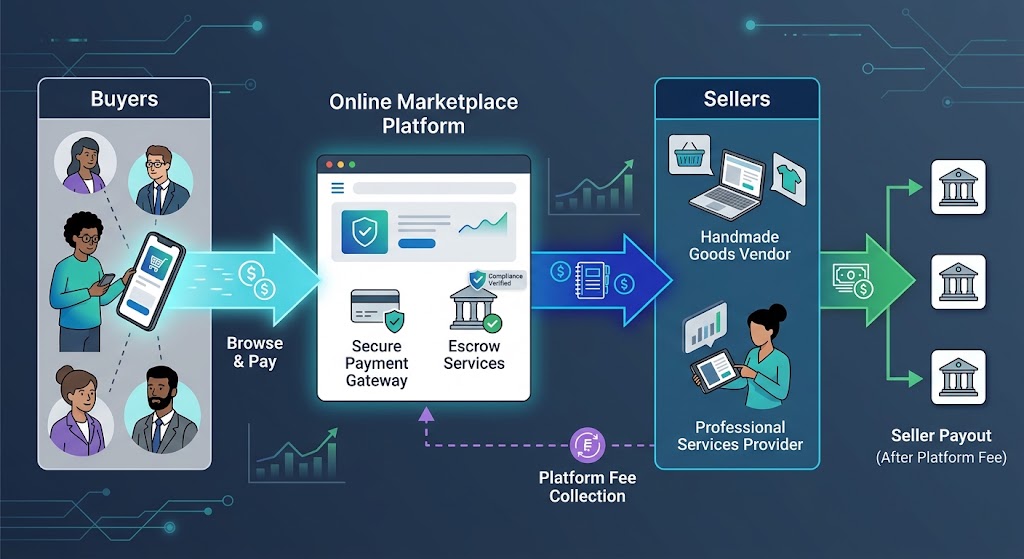
The short answer is: if your startup transmits money on behalf of customers — and most fintech payment apps do — you need a money transmitter license in the states where you operate, regardless of your company's age, revenue, or stage of development. There is no exemption for early-stage or pre-revenue companies.
Some founders assume they can operate in a "stealth" mode or under a limited pilot and avoid licensing until they reach scale. This is a common and costly mistake. Operating without a required MTL can result in civil penalties, cease-and-desist orders, and reputational damage that is very difficult to recover from as a startup. The earlier in your company's lifecycle you address licensing, the better. See our guide on who needs a money transmitter license to assess your obligations.
What Startups Need to Qualify for an MTL
Minimum Net Worth
Every state that requires an MTL also requires applicants to demonstrate a minimum net worth. The specific amount varies significantly by state — some states are relatively accessible; others require net worth in the millions. Many startups that haven't raised substantial capital find this to be the primary obstacle.
The key is that net worth requirements vary enough by state that a startup with modest capital can qualify in some states even when they cannot yet meet the requirements in high-bar states like New York or California. Starting with states that have lower net worth thresholds is a legitimate strategy for early-stage companies. See our full breakdown of MTL net worth requirements by state and our guide to the easiest states to get a money transmitter license.
Surety Bond
Most states require a surety bond as part of the MTL application. Bond amounts vary by state and, in many states, by transaction volume. Surety companies will evaluate your company's creditworthiness when pricing a bond, which can be more expensive for early-stage companies. Budget for bond premium costs as a real line item in your compliance budget. See our state-by-state breakdown of MTL bond requirements.
Audited Financial Statements
Most states require audited financial statements as part of the MTL application — not reviewed, not compiled, but audited by a licensed CPA firm. For a startup with a short operating history, this typically means an audit of your most recent fiscal year's financials. If your company is truly pre-revenue, some states will accept inception-to-date audited financials. The audit process takes 6–12 weeks and costs money, so plan accordingly. See our guide on MTL audited financial statement requirements.
AML/BSA Compliance Program
You must have a functioning AML/BSA compliance program in place before you apply — not a plan to build one later. This means written policies and procedures, a designated compliance officer with relevant experience, a customer identification program (CIP), transaction monitoring procedures, and a SAR filing process. Regulators will evaluate your compliance program as part of the application, and a thin or incomplete program is one of the most common reasons for denial or extended deficiency periods. See our guide on what an AML compliance program must cover.
Designated Compliance Officer
You need a named compliance officer with relevant experience to be listed in your MTL application. For startups without a dedicated compliance hire, this is a common gap. The compliance officer does not need to be a full-time employee in all states, but they must be a real person with real credentials who is accountable for your program. See our guide on BSA compliance officer requirements.
A Completed Business Plan
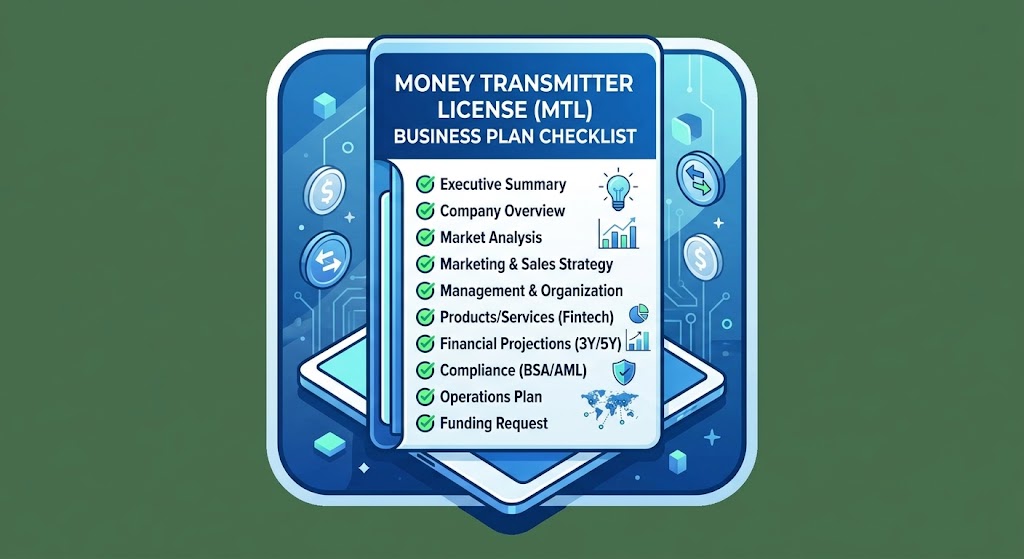
MTL applications require a detailed business plan covering your products, transaction flows, target markets, projected volumes, and compliance structure. See our full guide on MTL business plan requirements.
What Makes Startup MTL Applications Harder
Beyond the formal requirements, startups face a few additional challenges that established companies don't:
- Short operating history — Regulators prefer companies with a track record. A startup applying for its first license with six months of operating history will face more scrutiny than one with three years of clean compliance history
- Thin compliance infrastructure — Early-stage companies often have founders acting as de facto compliance officers without the depth of experience or documentation regulators expect
- Limited capital relative to requirements — Many states' net worth requirements are genuinely difficult for seed or pre-seed companies to meet
- Unfamiliarity with the NMLS process — First-time applicants commonly underestimate how long the process takes and how much documentation is required
Strategies for Startups Pursuing an MTL
Start in lower-barrier states
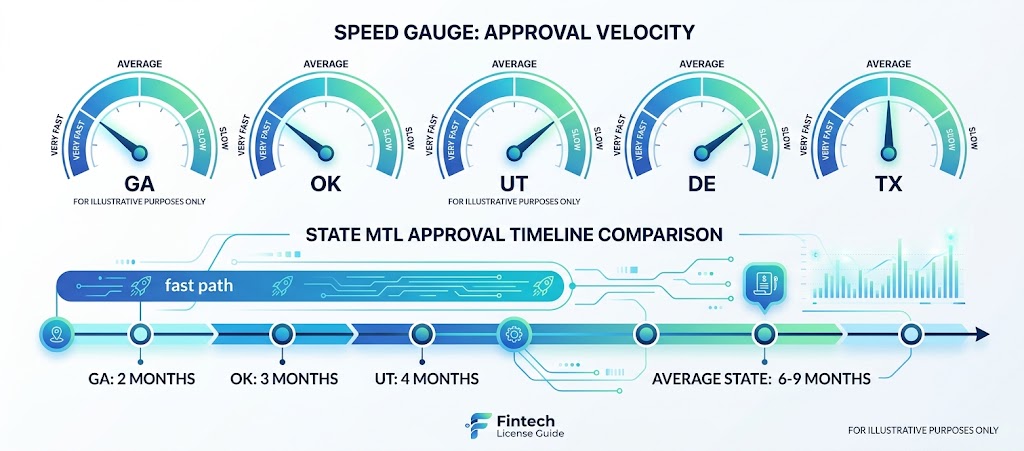
Rather than immediately applying in New York or California, start with states that have lower net worth requirements, lower bond amounts, and faster processing times. Getting licensed in your first state establishes a compliance track record that makes subsequent applications easier. See our guides on the easiest states to get an MTL and fastest states for MTL approval.
Invest in compliance infrastructure early
The earlier you build a real compliance program — with a designated compliance officer, written policies, and documented procedures — the faster you'll move through the licensing process. Compliance infrastructure built for licensing is also what you'll need to actually operate compliantly, so this investment is not wasted even if you never get deficiency notices.
Engage a compliance professional
Many startups find that working with an experienced compliance consultant pays for itself many times over by avoiding deficiency rounds and accelerating approval. The compliance consulting market has grown significantly to serve early-stage fintechs, and the cost is usually far less than the opportunity cost of a delayed license.
Consider a sponsor bank arrangement as an interim step
Some startups operate under a sponsor bank's licenses as a product company while building toward their own licensing. This is a legitimate interim approach but comes with its own compliance obligations and limitations. See our guide on fintech sponsor bank requirements.
Realistic Timeline for a Startup MTL
For a startup that is well-prepared — with audited financials, a completed compliance program, and a detailed application — a realistic timeline from starting the NMLS application to receiving a license in an accessible state is 3–6 months. For harder states, expect 6–18 months. Building your licensing roadmap with these timelines in mind from the earliest stages of your company is strongly advisable. See our guide on how long it takes to get a money transmitter license.
Frequently Asked Questions
Can a pre-revenue startup get a money transmitter license?
Yes, in principle. Regulators focus on your financial condition (meeting minimum net worth), your compliance program, and your management team — not on revenue. A pre-revenue startup with adequate capitalization, a functioning compliance program, and experienced leadership can qualify for an MTL.
Do I need to be incorporated in a specific state to get an MTL there?
No. Your company can be incorporated in Delaware (the most common choice for US startups) and licensed in multiple other states. You will need to register as a foreign company in states where you apply for licenses.
Can I get an MTL as an individual or sole proprietor?
Most MTL applicants are legal entities (corporations or LLCs), not individuals. Some states permit individual applicants, but a business entity structure is almost universally preferred both by regulators and for practical compliance and liability reasons.
What happens if my startup runs out of money while the application is pending?
If your financial condition materially deteriorates during a pending application, you are generally required to notify the regulator. A significant drop in net worth could result in your application being denied or your license being conditioned. Planning adequate runway to cover the licensing timeline and the first year of licensed operations is important.
Disclaimer: This article is for informational purposes only and does not constitute legal or compliance advice. Licensing requirements vary by state and change frequently. Always consult a qualified compliance professional and the relevant state regulator before beginning an MTL application.
Talk to the ComplyOne team to get started.