A compliance management system organizes and automates a fintech's compliance obligations. Here is what a CMS covers, how it differs from point solutions, and how to evaluate options for your business.
What Is a Compliance Management System? A Guide for Fintechs
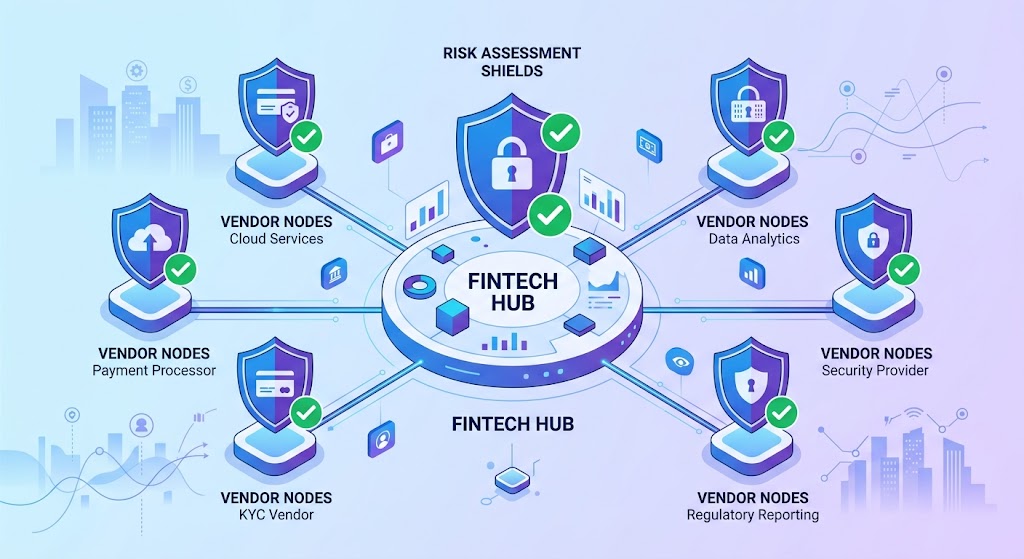
A compliance management system — commonly called a CMS — is a technology platform that organizes, automates, and tracks a financial institution's compliance obligations across multiple regulatory frameworks. For fintechs, a CMS can range from a purpose-built compliance platform to a combination of point solutions covering specific compliance functions.
What a CMS Does
At its core, a compliance management system serves as the operational backbone of a compliance program. It provides a structured environment for managing compliance obligations, tracking remediation items, and generating the documentation that regulators and sponsor banks expect to see.
A comprehensive CMS typically includes policy and procedure management — storing, versioning, and tracking approval of compliance policies. Risk assessment management — documenting and tracking AML and compliance risk assessments over time. Transaction monitoring — running automated rules across customer transactions to generate alerts. KYC and case management — managing customer verification workflows, risk ratings, and EDD reviews. SAR and CTR management — tracking investigations, managing filing deadlines, and maintaining documentation. Training management — tracking training assignments, completions, and documentation. Reporting — generating compliance reports for internal use and regulatory purposes. Audit and testing management — tracking independent testing findings and remediation status.
CMS vs Point Solutions
Fintechs have two basic approaches to compliance technology. A unified CMS approach uses a single platform that handles multiple compliance functions in an integrated environment. A point solution approach uses separate, best-in-class tools for each compliance function — one platform for transaction monitoring, another for KYC, another for case management — integrated through APIs.
The unified CMS approach provides a single audit trail, a unified user interface, and simpler vendor management. The point solution approach allows best-in-class capability in each function but requires more integration work and produces a more fragmented audit trail.
Most early-stage fintechs start with a unified compliance platform or a small set of integrated point solutions. As programs mature and become more sophisticated, some fintechs transition to a more specialized multi-vendor approach.
What to Look For in a CMS
Audit trail completeness — every compliance event must be timestamped and documented, with a complete record that can be produced for examination.
Configurable workflows — the system must be flexible enough to reflect your specific compliance procedures rather than forcing you to conform to generic workflows.
Integration capabilities — the CMS must connect to your core transaction infrastructure and any other compliance tools you use.
Reporting for examination — the system must be capable of generating the specific reports and record exports that regulators and sponsor banks request during reviews.
Scalability — the system should handle your projected transaction and customer volumes without degraded performance.
Frequently Asked Questions
Does every fintech need a CMS?
At early stage with simple operations and low transaction volumes, a fintech may be able to manage its compliance functions through a combination of spreadsheets, basic software tools, and manual processes. As transaction volumes grow and compliance complexity increases, a purpose-built CMS becomes operationally necessary. Most growth-stage fintechs benefit from a CMS before they think they need one.
Is BSA compliance software the same as a CMS?
BSA compliance software is a subset of compliance management system capabilities — specifically the AML and transaction monitoring functions. A full CMS covers BSA compliance plus broader compliance functions including policy management, training tracking, and audit management. For a buyer's guide on AML compliance software specifically, see our dedicated guide.
How ComplyOne Helps
ComplyOne offers compliance management technology and advisory support to help fintechs build operationally effective AML programs — through compliance technology, advisory services, or both. When evaluating a KYC provider, our team can help you assess integration requirements with your CMS.
Talk to the ComplyOne team to get started.
The information in this article is for general educational purposes and does not constitute legal or regulatory advice. Consult a qualified compliance professional for guidance specific to your situation.