Digital wallets that store funds or process payments are subject to multiple federal compliance requirements. Here is what digital wallet fintechs need to know about CFPB oversight, Regulation E, state licensing, and AML obligations.
Digital Wallet Compliance: CFPB Rules and Requirements for Fintechs
Digital wallets — applications that store funds, enable payments, or facilitate the transfer of value between parties — have become one of the most regulated categories of fintech product. The compliance obligations applicable to a digital wallet depend on its specific features, but most digital wallets that store funds or process payments face a stack of overlapping requirements from multiple regulators.
This guide covers the key compliance frameworks that apply to digital wallet products and what fintechs building in this category need to do.
What Is a Digital Wallet, Compliance-Wise?
The compliance obligations applicable to a digital wallet depend on what it actually does. Wallets that store stored value — maintaining a balance of funds that the consumer can spend — are treated differently than wallets that facilitate payments without storing funds.
A digital wallet that stores user funds is typically a prepaid account or a payment account — and these are heavily regulated products under Regulation E and CFPB rules. A digital wallet that facilitates payment transactions without storing funds — accessing and directing funds held in a linked bank account — may have lighter regulatory treatment under some frameworks but still faces meaningful compliance requirements.
CFPB Oversight of Digital Wallets
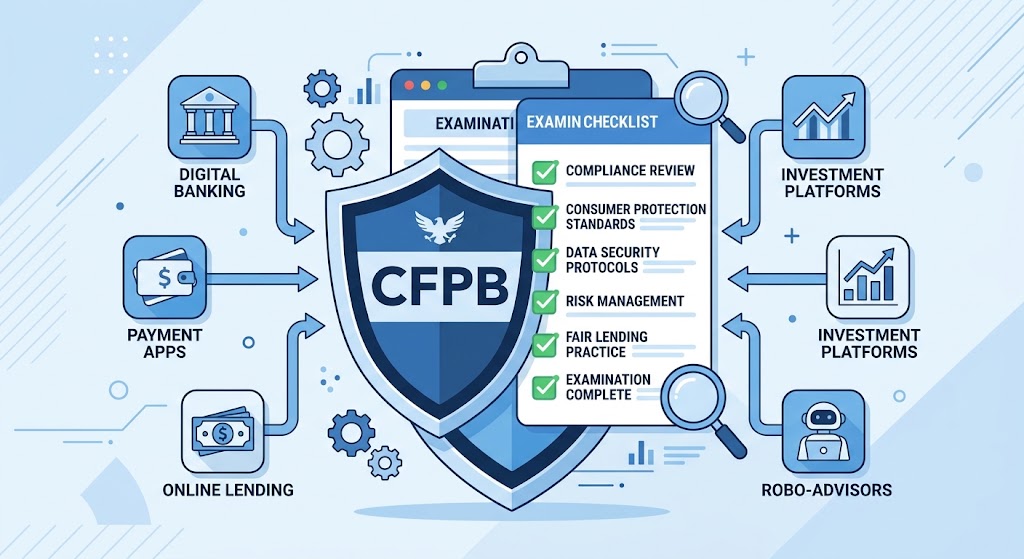
The Consumer Financial Protection Bureau has asserted significant oversight authority over digital wallet products in recent years. The CFPB's 2024 larger participant rule for digital consumer payment applications extended the CFPB's supervisory authority to nonbank digital payment companies processing more than 50 million consumer payment transactions annually — giving the CFPB direct examination authority over the largest digital wallet operators.
For fintechs below the larger participant threshold, CFPB enforcement authority still applies — the agency can take enforcement action for UDAAP violations, Regulation E violations, and other consumer protection failures regardless of whether a company is subject to CFPB supervisory examination. Consumer protection compliance is not optional simply because your transaction volumes do not currently trigger direct CFPB supervision.
Regulation E and Digital Wallets
Regulation E — which implements the Electronic Fund Transfer Act — is the primary consumer protection framework for electronic fund transfers, and it applies to digital wallets that store funds or facilitate transfers from consumer accounts.
Key Regulation E requirements for digital wallets include initial disclosures — consumers must receive clear disclosures of terms, fees, and error resolution procedures before using the wallet. Error resolution obligations — when a consumer reports an unauthorized transaction or an error, the wallet operator must follow specific investigation timelines and provide provisional credit in many circumstances. Unauthorized transaction liability limits — consumer liability for unauthorized transactions is limited to $50 in most cases (rising to higher limits if the consumer delays reporting). Record retention and periodic statements are also required in certain circumstances.
Prepaid wallet products — those that hold a stored balance — are governed by Regulation E's prepaid account rules, which impose additional requirements including fee disclosure and FDIC insurance pass-through documentation.
State Money Transmitter Licensing
Digital wallets that receive and transmit consumer funds are money transmitters under most state money transmission laws and must obtain money transmitter licenses in each state where they have customers. Determining whether a specific digital wallet product requires money transmitter licensing in a specific state requires legal analysis of the product's functionality against that state's money transmission law — but most digital wallets that store user funds and enable payments to third parties require licensing.
The licensing process and requirements vary significantly by state. For help building a licensing strategy, see our guide on licensing strategy.
BSA/AML Requirements
Digital wallet operators that qualify as Money Services Businesses — typically because they facilitate money transmission — must register with FinCEN and maintain a full BSA/AML compliance program. This includes KYC at onboarding, OFAC sanctions screening, transaction monitoring, and suspicious activity reporting.
For digital wallets with high transaction volumes and diverse customer bases — characteristics typical of the category — building robust transaction monitoring is particularly important. The combination of high volumes and peer-to-peer payment functionality creates specific AML risks that monitoring must address.
Frequently Asked Questions
Does a digital wallet that only stores crypto (not fiat) have the same compliance requirements?
A digital wallet that stores cryptocurrency rather than fiat currency may have different — but not necessarily lighter — compliance requirements. Crypto wallet operators that facilitate cryptocurrency transactions for customers are generally MSBs under FinCEN regulations. State licensing requirements vary by jurisdiction for crypto wallets. The regulatory framework is different in some respects from fiat digital wallets but the compliance obligations are substantial. See our guide on cryptocurrency licensing requirements by state for more detail.
What is the difference between a digital wallet and a prepaid card?
A prepaid card and a digital wallet can functionally overlap significantly — both may store a balance of funds that can be spent for purchases. The regulatory framework for prepaid accounts under Regulation E covers both traditional prepaid cards and digital prepaid accounts. Whether your product is characterized as a prepaid card or a digital wallet for regulatory purposes depends on its specific features and how it is marketed and used — but the regulatory requirements may be similar.
Does a digital wallet that links to bank accounts instead of storing funds have the same obligations?
A digital wallet that does not store funds — but instead accesses and directs funds held in linked consumer bank accounts — may have lighter requirements under some frameworks. However, even these pass-through wallets are subject to UDAAP consumer protection requirements, may be subject to Regulation E as a service provider to the underlying account, and may still require state money transmitter licensing depending on their specific functionality. Legal analysis of the specific product is required.
How ComplyOne Helps
ComplyOne works with digital wallet fintechs to build the compliance programs their products require — from money transmitter licensing and BSA/AML program development to Regulation E compliance and CFPB consumer protection implementation — through advisory services, compliance technology, or both.
Talk to the ComplyOne team to get started.
The information in this article is for general educational purposes and does not constitute legal or regulatory advice. Digital wallet regulations are evolving. Consult qualified legal counsel for guidance specific to your product.