AML compliance costs real money — and most fintechs underestimate what a real program requires. Here is how to think about AML compliance budgeting, what the major cost drivers are, and what fintechs at different stages typically spend.
AML Compliance Budget: What Fintechs Should Allocate
Compliance is not free — and the gap between what fintechs budget for AML compliance and what a real program actually costs is one of the most common financial planning mistakes in the industry. Underinvesting in compliance creates regulatory risk; overinvesting wastes resources that could be deployed to product and growth.
This article covers the major drivers of AML compliance costs for fintechs, how to think about budgeting at different stages of growth, and how to structure spending for efficiency.
Major AML Compliance Cost Categories
Personnel
Personnel is typically the largest component of AML compliance cost. A fintech that qualifies as an MSB needs, at minimum, a designated BSA Officer who understands the requirements and has authority to enforce them. As transaction volumes grow, compliance analysts to manage alert review, SAR investigations, and customer due diligence become necessary.
Annual fully-loaded compensation for a qualified BSA Officer ranges from approximately $120,000 to $250,000 depending on experience level, location, and the complexity of the business. For a detailed breakdown of BSA Officer compensation, see our guide on BSA Officer costs.
For early-stage fintechs, a fractional or outsourced BSA Officer model — where compliance expertise is engaged on a part-time or advisory basis — is often more cost-effective than a full-time hire. Many compliance advisory firms offer fractional BSA Officer services.
Technology
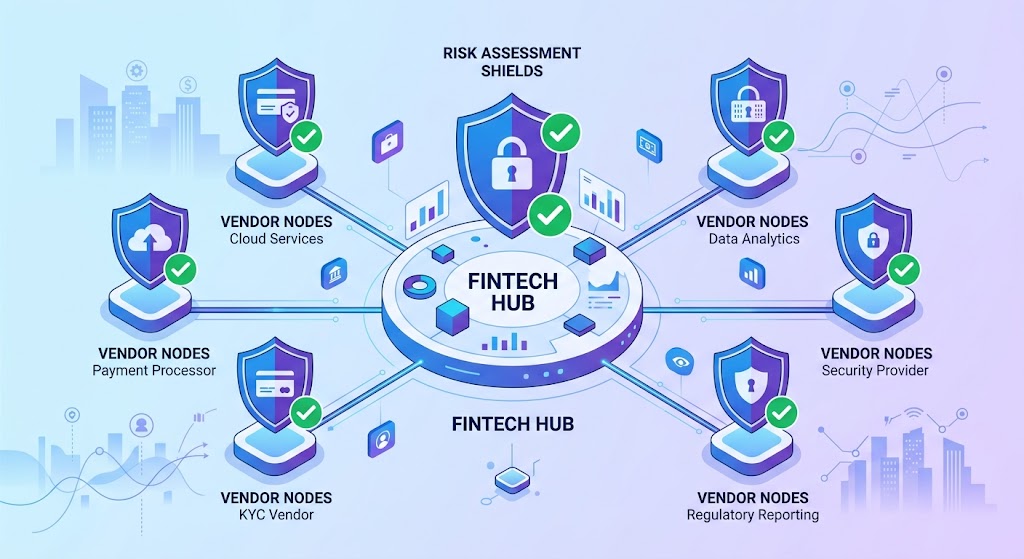
A complete AML technology stack for a fintech typically includes a KYC and identity verification solution, transaction monitoring software, OFAC sanctions screening and watchlist screening, case management software for alert review and SAR documentation, and for crypto fintechs, blockchain analytics tooling.
Technology costs vary enormously based on the solutions selected and transaction volumes. Early-stage fintechs operating at modest transaction volumes can often access entry-level compliance technology for a few thousand dollars per month. High-volume businesses with sophisticated needs may spend significantly more.
For guidance on selecting AML technology, see our guide on AML compliance software.
Independent Testing
The BSA requires independent testing of your AML program at minimum every 12 to 18 months. An independent AML audit from an external firm typically costs between $10,000 and $50,000 or more depending on the complexity of your business and the depth of testing performed.
Licensing
Money transmitter licensing fees — application fees, annual maintenance fees, and bond premiums — are a significant compliance cost for fintechs pursuing state licensing programs. See our guide on fintech compliance costs for a comprehensive view of licensing cost ranges.
Advisory and Legal
Compliance advisory and legal expenses — for program design, regulatory guidance, examination support, and licensing work — are variable but important budget items, particularly for early-stage fintechs building programs from scratch.
What Fintechs at Different Stages Typically Spend
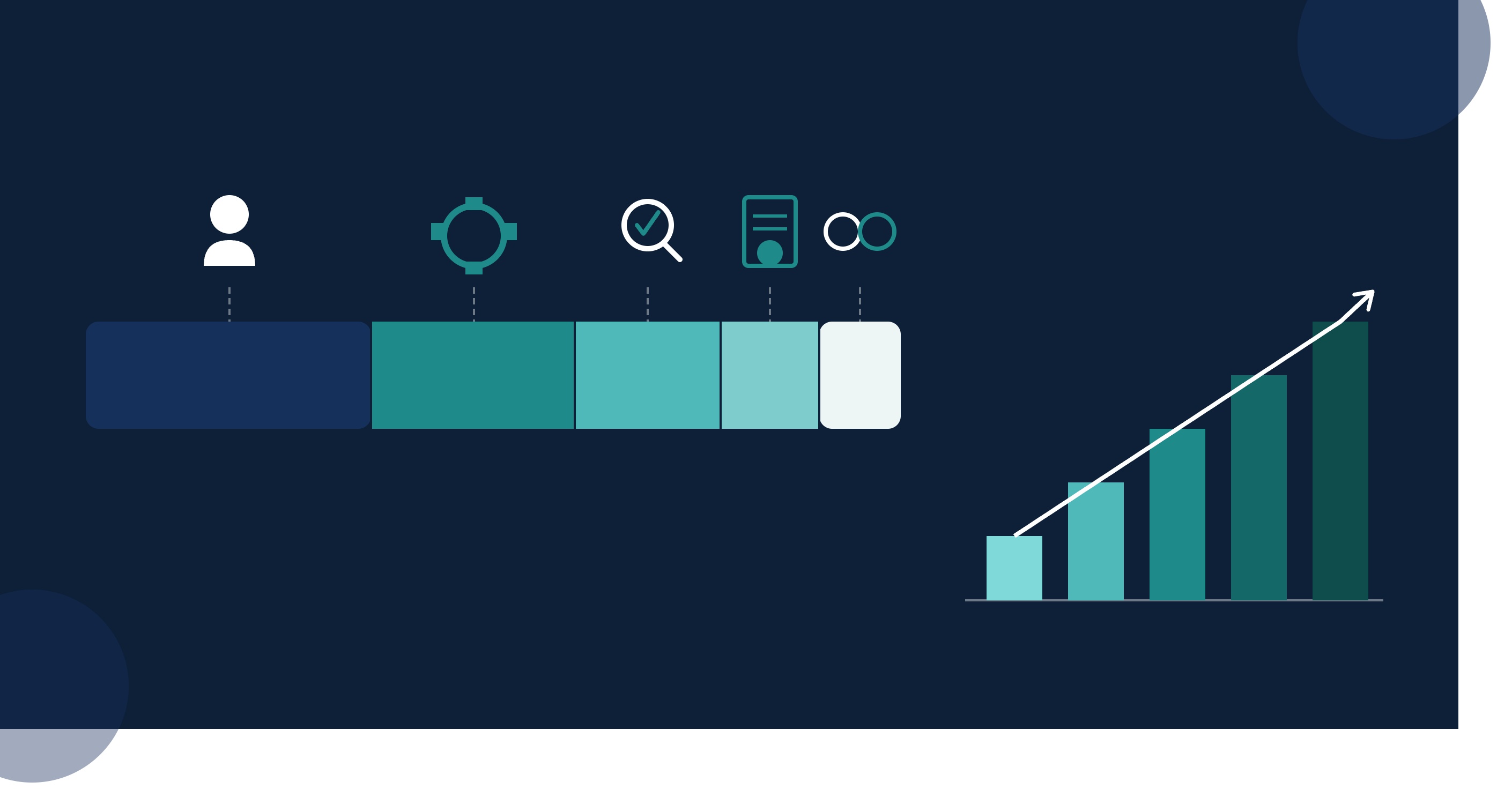
Early-stage fintechs — pre-revenue through early product stage — typically spend $50,000 to $200,000 per year on AML compliance. This covers fractional BSA Officer support, entry-level compliance technology, and program documentation work.
Growth-stage fintechs — with meaningful transaction volumes and state licensing programs — typically spend $300,000 to $1,000,000 per year on compliance. Personnel costs increase as in-house compliance teams are built; technology investments grow with transaction volumes.
Mature fintechs with large customer bases and multi-state licensing programs may spend several million dollars annually on compliance across personnel, technology, licensing, and advisory services.
Frequently Asked Questions
Can I outsource all AML compliance and avoid hiring in-house?
Outsourcing can cover many AML compliance functions — including fractional BSA Officer services, independent testing, and advisory support. However, some functions — particularly day-to-day alert review and customer due diligence for businesses above a certain transaction volume — become impractical to outsource entirely as volume grows. A hybrid model is common: outsourcing strategic and advisory functions while building in-house capacity for operational review work as the business scales.
How should I prioritize compliance spending when resources are limited?
Prioritize the components of the program that create the most direct regulatory risk if absent. For a fintech just getting started, these are: a written AML program, a designated person responsible for compliance, basic KYC implementation, and sanctions screening. Transaction monitoring can be implemented at a level appropriate to current volume. Independent testing and more sophisticated tooling can be built out as resources allow and volumes grow.
How ComplyOne Helps
ComplyOne helps fintechs build right-sized AML compliance programs — from fractional BSA Officer services and program design through technology selection and independent testing — at cost structures appropriate for each stage of growth, through advisory services, compliance technology, or both.
Talk to the ComplyOne team to get started.
The information in this article is for general educational purposes and does not constitute legal or regulatory advice. Consult a qualified compliance professional for guidance specific to your situation.