KYC remediation is the process of updating or completing deficient customer identity records across your existing customer base. This guide explains when it's required, how to run it efficiently, and how to avoid needing it in the first place.
What Is KYC Remediation? A Guide for Fintechs
Building a solid KYC program from the start is far less painful than going back to fix it later. KYC remediation — the process of correcting deficient or outdated customer records — is one of the most operationally burdensome compliance projects a fintech can face.
Here's what it is, when it happens, and how to run it well.
What Is KYC Remediation?
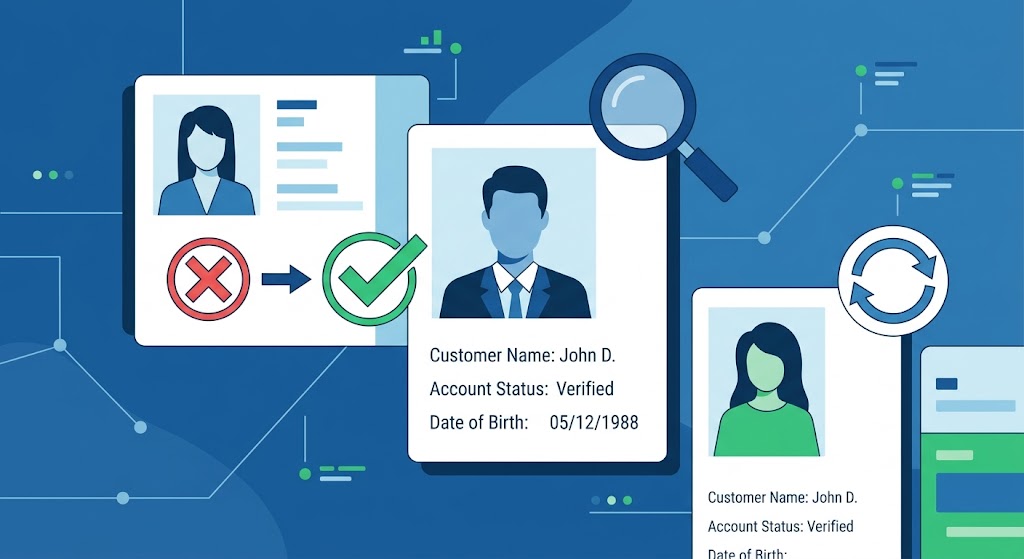
KYC remediation is the process of reviewing, updating, and completing Know Your Customer records that are incomplete, outdated, or do not meet current regulatory standards.
It's essentially a backwards KYC exercise: instead of onboarding new customers correctly from the start, you're going back to existing customer records and bringing them up to the required standard.
Remediation can be triggered by regulatory findings, internal audits, upgrades to your compliance program, or changes in regulatory requirements. Whatever the trigger, the goal is the same: ensuring every customer record in your system is complete, accurate, and compliant.
When Is KYC Remediation Required?
Regulatory Examination Findings
The most urgent trigger. If a FinCEN examination or sponsor bank audit identifies deficiencies in your KYC records — missing required data fields, outdated information, no CDD profile — you'll receive a remediation requirement with a deadline.
Internal Audit or Compliance Review
Your own internal reviews should periodically check KYC record quality. If an internal audit finds systematic gaps — for example, a period when customers were onboarded without ID verification — a remediation project is needed.
Program Upgrades or Policy Changes
If you enhance your KYC program — adding a new required data field, implementing EDD for a customer segment that wasn't previously subject to it, or adopting new risk-scoring criteria — you need to apply the new standard retroactively to existing customers.
Regulatory Requirement Changes
If FinCEN or your sponsor bank changes its KYC requirements (as happened with the CDD Rule rollout in 2018), existing customer records must be updated to comply with the new standard.
Periodic CDD Review
Even without a specific trigger, most compliance programs require periodic reviews of existing customer records — typically annually for high-risk customers and every 2–3 years for lower-risk customers. These reviews often uncover records needing updates.
How to Run a KYC Remediation Project
Step 1: Scope the Problem
Identify the total population of customer records that need to be remediated. What's missing? What data fields are incomplete? What verification steps weren't conducted? A data audit of your customer database is the starting point.
Step 2: Risk-Tier the Population
Not all remediation is equally urgent. Prioritize based on risk:
- High-risk customers first — accounts with elevated risk ratings, PEPs, MSB customers, high-volume transactors
- Medium-risk next — business customers, higher-value personal accounts
- Low-risk last — standard consumer accounts with complete basic identification
Step 3: Determine What's Needed for Each Segment
For each risk tier, define exactly what the remediated record needs to contain. Is it just a missing document upload? Or does it require a full EDD review? Be specific so your team knows exactly what they need to collect.
Step 4: Customer Outreach
For records where additional customer-provided information is needed (updated address, beneficial ownership details, source of funds documentation), you need to contact customers and request it.
Best practices for customer outreach:
- Use email first, followed by in-app notification or SMS
- Explain clearly what you're requesting and why (you're updating your compliance records)
- Set a response deadline
- Be prepared for customers who don't respond
Step 5: Handle Non-Responsive Customers
Customers who don't respond to repeated outreach for required KYC information present a compliance decision: you cannot maintain a compliant record for them, and continuing to serve them creates ongoing regulatory risk.
Most compliance programs set a final deadline (typically 30–60 days after first outreach) after which non-responsive customers are exited — accounts are restricted and eventually closed if the required information isn't provided.
Step 6: Document Everything
Remediation is an examination-ready exercise. Every customer touched during the project should have a complete record: what was missing, when outreach was sent, what the customer provided, and the final status of the record.
Step 7: Root Cause Analysis
Once remediation is complete, determine why the gaps existed in the first place. Was it a technology gap? A process gap? A period of inadequate staff training? Fixing the root cause prevents the next remediation.
How to Avoid Needing Remediation
The best remediation project is the one you never have to run:
- Build complete KYC from day one — don't let customers skip required data fields
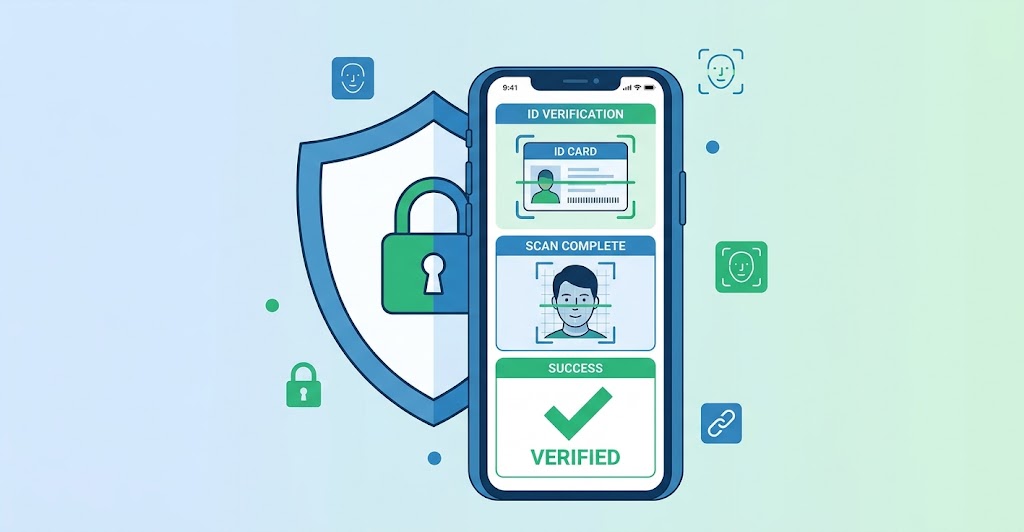
- Use automated verification tools — ensure verification is documented at onboarding
- Conduct periodic quality checks — audit your KYC records quarterly rather than discovering gaps in an examination
- Set up ongoing monitoring — catch data that goes stale (expired IDs, changed addresses) through automated alerts
- Train your team — ensure everyone involved in onboarding understands exactly what's required
Frequently Asked Questions
How long does a KYC remediation project take?
It depends entirely on the scope. A targeted remediation of a specific data gap for a few hundred customers can be completed in weeks. A broad remediation of thousands of records with customer outreach required can take months.
Can I use automated tools for KYC remediation?
Yes — for data enrichment (checking publicly available data sources for updated addresses, business registrations, etc.) and for automated document re-verification. Customer outreach and EDD reviews still require human involvement.
What happens if I can't remediate a high-risk customer's record?
If a high-risk customer refuses to provide required information, you cannot maintain a compliant account for them. The account should be exited — restrictions applied, then closed — with documentation of the attempts made and the reason for exit.
This article is for educational purposes only and does not constitute legal or compliance advice. Regulations vary by jurisdiction and change frequently. Consult a qualified compliance professional or legal counsel for guidance specific to your business.