Adverse media screening — also called negative news screening — is a required part of KYC and EDD for high-risk customers. This guide explains what it is, how it works, and how to build it into your compliance program.
What Is Adverse Media Screening? A Guide for Fintechs
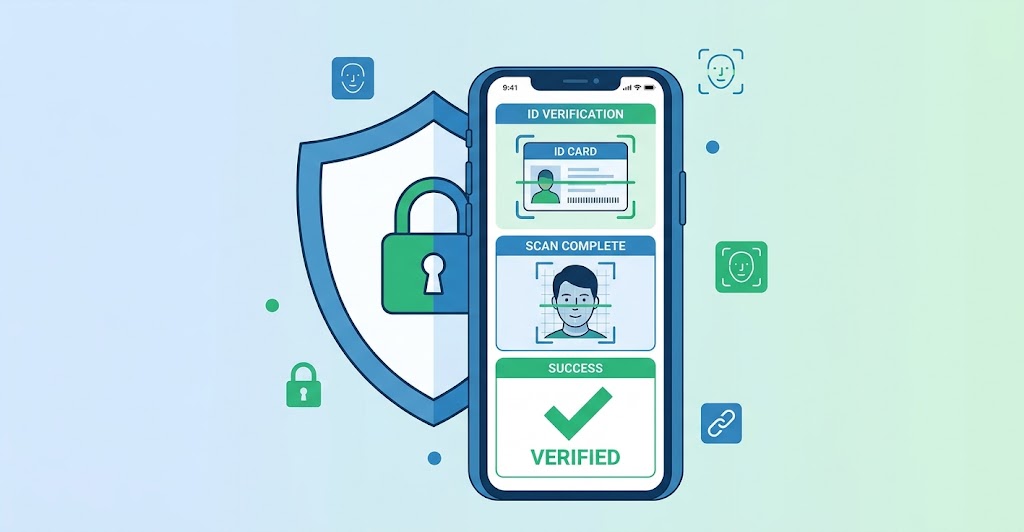
Running a government ID check and verifying someone's address tells you who a customer is. It doesn't tell you whether they've been convicted of fraud, sanctioned by a regulator, or reported as a money laundering suspect in the news. That's what adverse media screening is for.
What Is Adverse Media Screening?
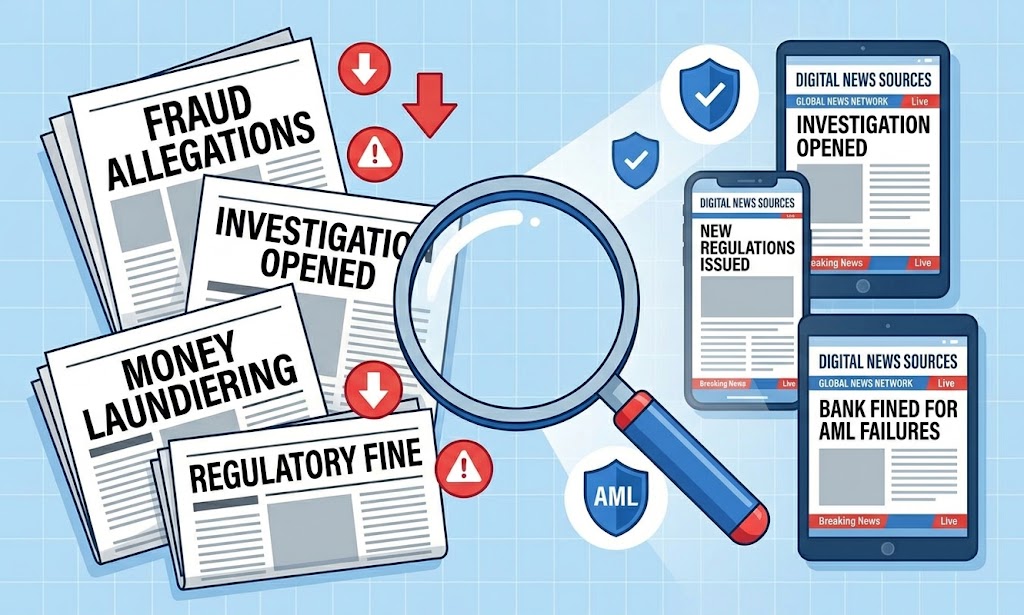
Adverse media screening — also called negative news screening — is the process of checking customers, business owners, and counterparties against news sources, court records, regulatory actions, and other public information to identify any negative information that suggests financial crime risk.
It's a core component of Customer Due Diligence (CDD) and Enhanced Due Diligence (EDD), and it's expected by regulators as part of a risk-based AML compliance program.
Why Is Adverse Media Screening Required?
Regulators — including FinCEN, the FFIEC, and the FATF — expect financial institutions to conduct ongoing due diligence on their customers. Adverse media can reveal criminal convictions for fraud or money laundering, regulatory sanctions, association with known criminals or sanctioned parties, involvement in ongoing law enforcement investigations, and reputational issues that suggest heightened financial crime risk.
What Sources Does Adverse Media Screening Cover?
A comprehensive adverse media screening program checks across: global news media, court and legal records, government and law enforcement databases, regulatory actions (SEC, FinCEN, CFPB, OCC enforcement), and watchlists including PEP and sanctions sources.
When Should Adverse Media Screening Occur?
At Onboarding
Before approving a new customer, adverse media checks are run as part of the overall KYC process. A positive result can either result in a decline or trigger Enhanced Due Diligence before the account is opened.
Ongoing Monitoring
A well-structured adverse media program includes periodic re-screening — typically risk-based in frequency, with higher-risk customers screened more often.
Risk-Based Approach to Adverse Media Screening
A risk-based approach means: low-risk customers screened at onboarding with annual re-screening; medium-risk customers with semi-annual re-screening; high-risk customers and PEPs with quarterly re-screening or continuous monitoring. Your customer risk rating drives your adverse media screening cadence.
Adverse Media Screening vs. Sanctions Screening
Both should be part of your KYC program. The OFAC SDN List and PEP databases serve different functions alongside adverse media. Use sanctions screening as a separate, parallel control.
Frequently Asked Questions
Is adverse media screening legally required?
It is expected as part of a risk-based AML program under BSA/AML requirements. Failing to conduct adverse media checks when they would have revealed financial crime risk is viewed as a CDD deficiency by regulators.
What do I do if adverse media screening returns a hit?
A hit triggers a manual review. The analyst determines whether it's a true match. If it is, an EDD review is typically initiated, and depending on what's found, the relationship may be approved with enhanced monitoring or declined.
How do I handle false positives?
Document your investigation clearly — showing that you reviewed the hit, compared identifying details, and concluded it referred to a different individual. This documentation protects you in an audit.
This article is for educational purposes only and does not constitute legal or compliance advice. Regulations vary by jurisdiction and change frequently. Consult a qualified compliance professional or legal counsel for guidance specific to your business.