Payment screening is a critical AML control for payment fintechs — checking individual transactions against sanctions lists, watchlists, and risk criteria before processing. Here is how it works and what a compliant payment screening program looks like.
Payment Screening AML: How Payment Fintechs Stay Compliant
Payment screening is the process of checking individual payments against sanctions lists, watchlists, and risk criteria before — or in some cases at the time of — processing. For payment fintechs, payment screening is a critical AML control that sits alongside transaction monitoring as part of a complete compliance program.
While transaction monitoring looks at patterns of behavior over time, payment screening focuses on individual transactions — assessing in real time whether a specific payment should be processed, flagged for review, or blocked.
What Payment Screening Covers
Sanctions Screening
Every payment must be screened against applicable sanctions programs — at minimum, OFAC's Specially Designated Nationals list and other OFAC sanctions programs. For payments involving non-US parties or cross-border transactions, applicable foreign sanctions programs may also apply.
Sanctions screening must check the originator, beneficiary, and any intermediary parties against sanctions lists. A payment where the beneficiary is a sanctioned person must be blocked and reported to OFAC even if the originator is not sanctioned.
PEP Screening
Payments involving Politically Exposed Persons require heightened scrutiny. PEP screening typically occurs at onboarding, but transaction-level PEP checks may also be appropriate for new payment counterparties in high-volume payment environments.
Adverse Media and Watchlist Screening
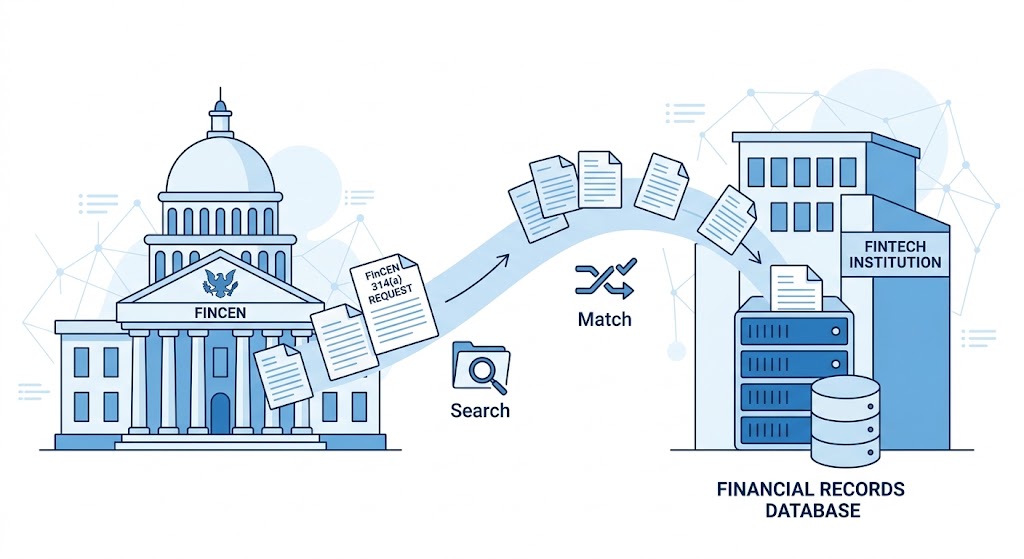
Beyond OFAC, payments may be screened against FinCEN's 314(a) list, law enforcement watchlists, and adverse media databases for high-risk payees or counterparties.
Risk-Based Payment Rules
Many payment fintechs supplement mandatory sanctions screening with proprietary risk-based rules — flagging payments to high-risk jurisdictions, payments above defined thresholds, payments to first-time counterparties, or payments that match known fraud patterns.
Real-Time vs. Batch Screening
Payment screening can be implemented in real time — screening each payment before it is authorized and processed — or in batch mode — screening groups of payments after processing. For most payment fintechs, real-time or near-real-time sanctions screening is the standard, because the regulatory obligation is to prevent prohibited transactions from being processed, not merely to detect them after the fact.
Batch screening may be appropriate for some risk-based internal screening rules, but OFAC sanctions screening in particular should occur before payment authorization wherever technically feasible.
What Happens When a Match Is Found
When a payment matches a sanctions list — an OFAC SDN list hit, for example — the payment must be blocked. The funds must be frozen, and the blocking must be reported to OFAC within 10 business days. The blocked transaction must not be processed under any circumstances, and the information about the blocking must be retained.
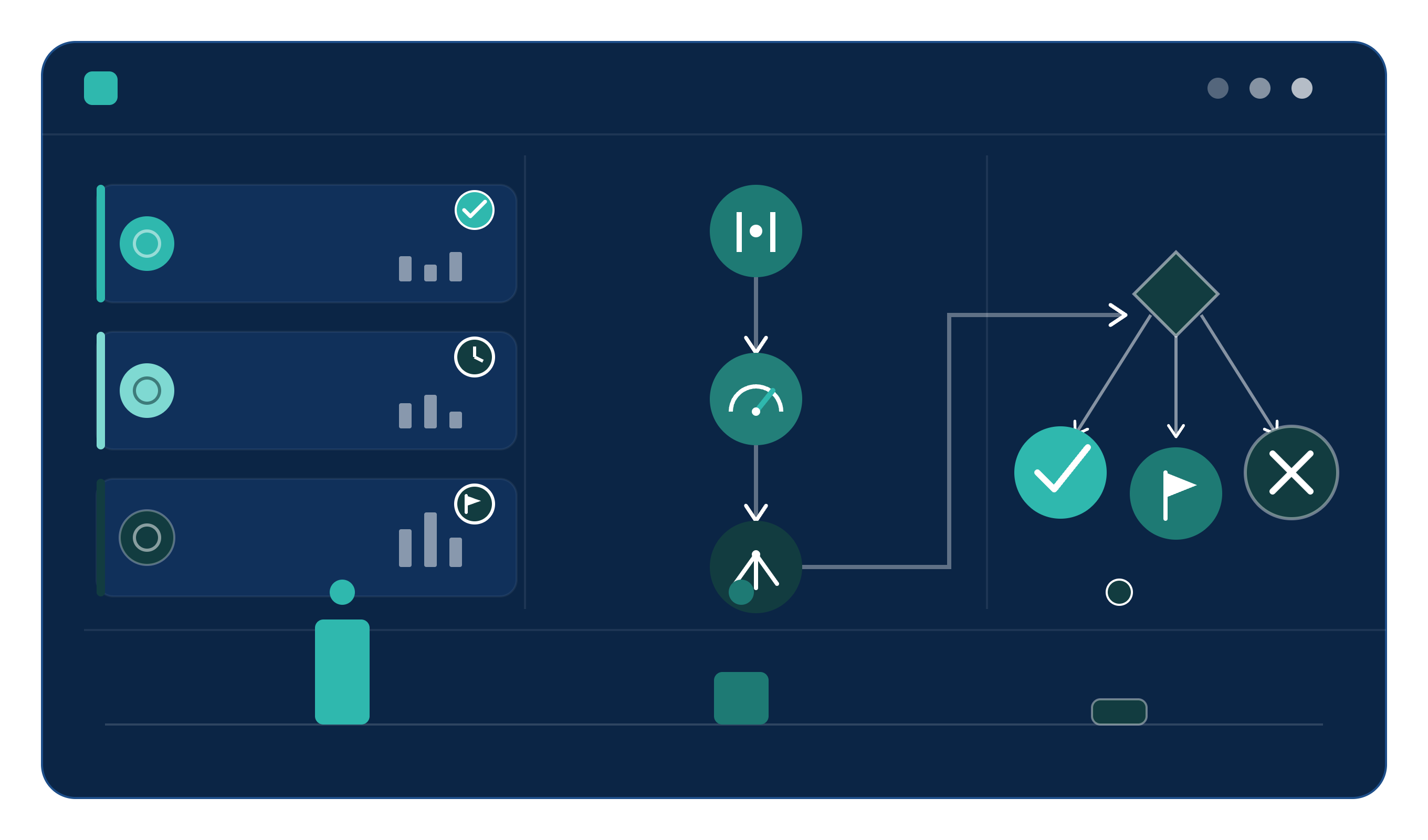
For non-SDN matches — PEP hits, watchlist matches, or internal risk rule triggers — the payment is typically held for manual review rather than automatically blocked. The review determines whether the transaction should be processed, declined, or escalated for further investigation and potential SAR filing.
Fuzzy Matching in Payment Screening
Sanctions lists include names in multiple languages, transliterations, and alternative spellings. Effective payment screening requires fuzzy matching — matching algorithms that flag names that closely resemble but do not exactly match sanctioned entity names. Screening systems that require exact character matches will miss screening-evasion attempts that use minor name variations.
Frequently Asked Questions
Is payment screening required for every payment, regardless of amount?
Yes — OFAC sanctions screening is required for all transactions regardless of dollar amount. There is no de minimis threshold below which sanctions screening is not required. Other risk-based screening may be threshold-calibrated, but sanctions compliance is absolute.
How do I choose a payment screening solution?
Key factors include coverage of applicable sanctions programs, fuzzy matching quality, real-time processing capability and latency, false positive rates and review workflow support, audit trail features, and integration with your payment processing infrastructure. Testing the solution against your actual payment patterns before deployment helps calibrate thresholds and reduce operational disruption from excessive false positives.
How ComplyOne Helps
ComplyOne helps payment fintechs design and implement payment screening programs — from sanctions screening coverage and fuzzy matching calibration through alert management and OFAC compliance — through advisory services, compliance technology, or both.
Talk to the ComplyOne team to get started.
The information in this article is for general educational purposes and does not constitute legal or regulatory advice. Consult a qualified compliance professional for guidance specific to your situation.