A FinCEN examination reviews your BSA compliance program directly. Here is how to prepare — what documentation to organize, how to brief your team, and what the most common findings are.
How to Prepare for a FinCEN Examination
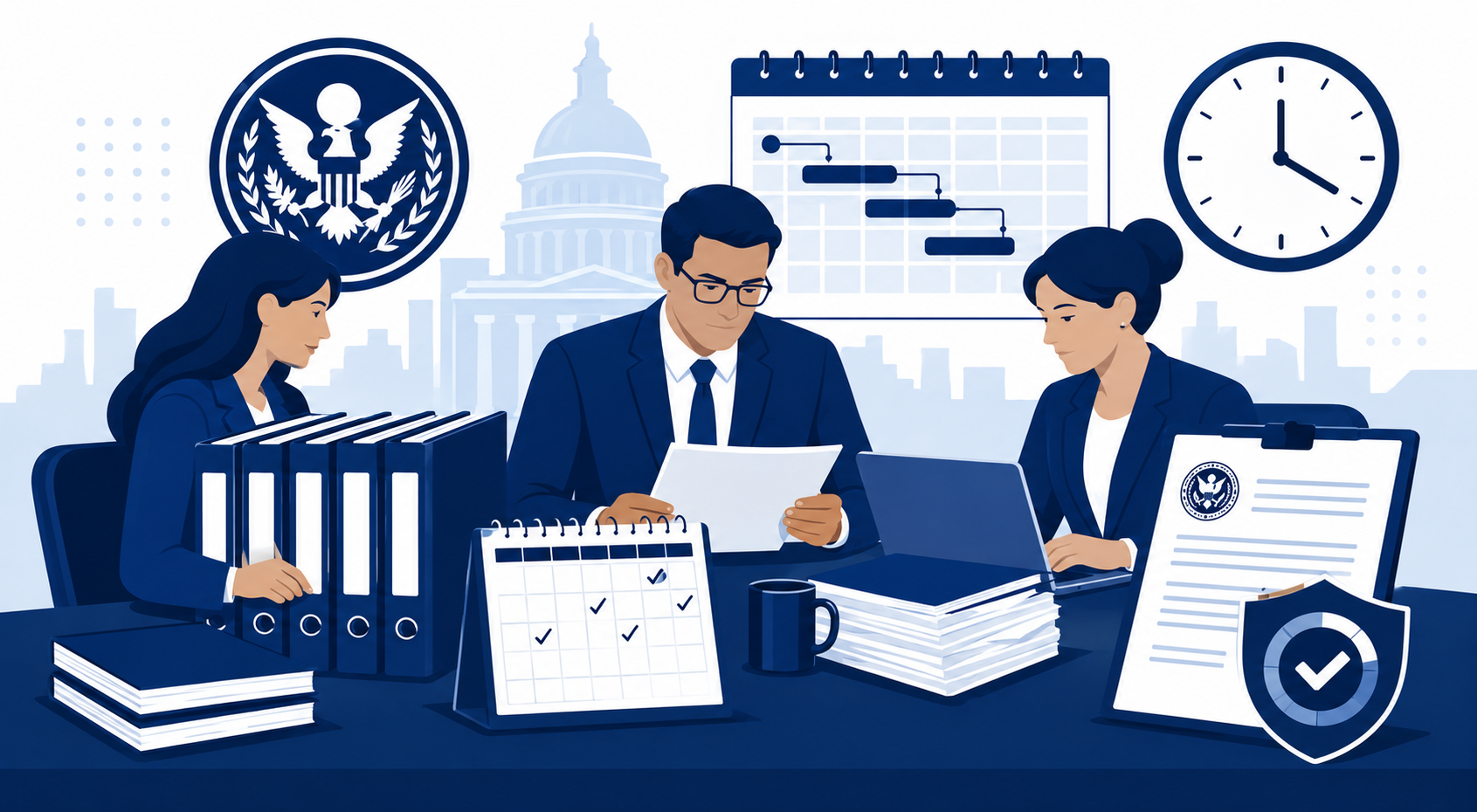
Receiving notice of a FinCEN examination can feel high-stakes — but the fintechs that navigate them successfully are almost always the ones that maintained their compliance programs year-round rather than preparing reactively. This guide covers how to prepare effectively, both in advance of receiving examination notice and after.
The Most Important Preparation: Year-Round Program Maintenance
The best preparation for a FinCEN examination is maintaining a genuinely operational AML program throughout the year. Programs that are well-maintained are examination-ready by default — the documentation exists, the controls are running, and compliance personnel can speak to every element.
Programs that require intensive pre-examination preparation are programs that have gaps. Those gaps may be manageable with preparation — but they are also the gaps that examiners are most likely to find, since reactive preparation is rarely as thorough as year-round maintenance.
When Examination Notice Arrives
When FinCEN or a state regulator notifies you of an upcoming examination, you will typically receive an information request listing the documentation required for the examination. This information request is the starting point for your immediate preparation.
Organize your documentation package proactively and completely. Do not wait for follow-up requests — submit everything the information request asks for in your initial response. Incomplete initial responses are a red flag that suggests disorganization and may trigger more intensive examination.
Documentation to Have Ready
AML policy — current, specific to your business model, and approved by senior management with documented evidence of approval.
AML risk assessment — completed within the past 12 months, accurately reflecting your current products, customers, and geographies.
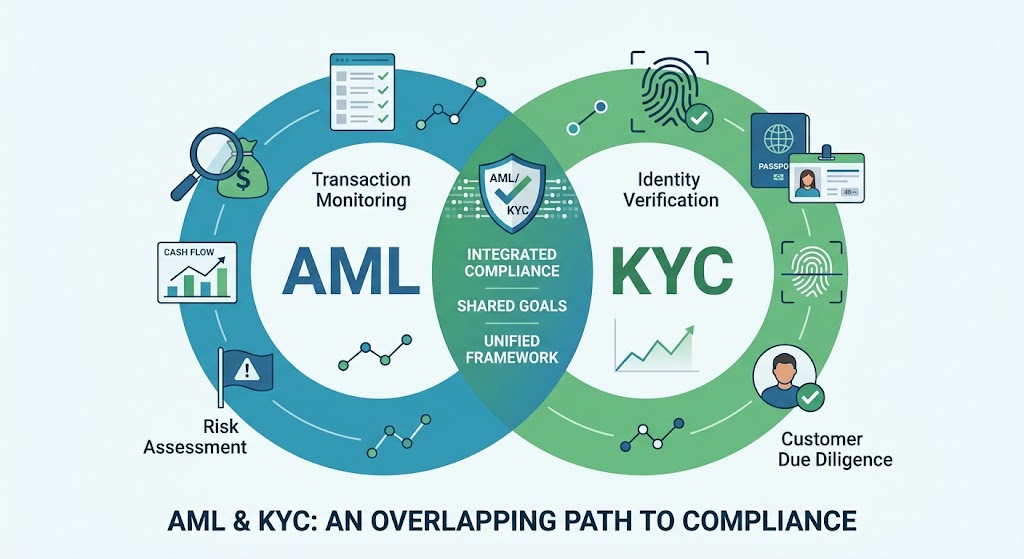
KYC procedures — written procedures for both individual and business customers, including beneficial ownership collection and verification.
Transaction monitoring documentation — your rule library, alert review logs, investigation notes, and SAR connection documentation.
SAR filings — copies of recent SARs with supporting investigation documentation, with customer-identifying information appropriately handled.
Training records — documentation showing who received training, when, and what was covered for the past one to two years.
Independent testing report — your most recent independent AML review with findings and remediation status.
Recordkeeping examples — sample records demonstrating that BSA required records are being maintained correctly.
Briefing Your Team
Every compliance team member who may interact with examiners should be briefed before the examination begins. Briefings should cover what the examination is and why it is occurring, what information may be requested, how to describe your compliance program accurately and specifically, and what to do if an examiner asks a question you cannot answer — note the question and follow up rather than guessing.
The key principle for all examiner interactions is accuracy. Do not overstate your program's capabilities or coverage. Examiners are trained to test what you tell them — overstating leads to examination failures that would have been avoidable with accurate representations.
What Examiners Find Most Often
The most common FinCEN examination findings include AML programs that are generic rather than tailored to the specific business, KYC procedures not consistently followed across the customer base, transaction monitoring rules not calibrated to the institution's actual risk profile, SAR filings missing deadlines or lacking specific narratives, training records incomplete or training content generic, and independent testing reports that do not reflect genuine program gaps.
Frequently Asked Questions
Can I clean up my compliance program between receiving examination notice and the examination itself?
Yes — but do so carefully. Genuine remediation of identified gaps is appropriate and viewed positively by examiners. Creating documentation that does not reflect actual operations — or backdating records — is not appropriate and creates serious legal exposure.
What if the examination finds significant deficiencies?
Engage constructively with examiners, provide complete and accurate information, propose specific remediation plans with realistic timelines, and follow through on commitments. Examiners respond better to honest acknowledgment and credible remediation than to defensiveness.
How ComplyOne Helps
ComplyOne provides FinCEN examination preparation services — gap assessments, documentation reviews, team briefings, and remediation support — through advisory services, compliance technology, or both.
Talk to the ComplyOne team to get started.
The information in this article is for general educational purposes and does not constitute legal or regulatory advice. Consult a qualified compliance professional for guidance specific to your situation.