Identity verification is the operational implementation of KYC requirements for crypto companies. Here is how crypto identity verification works, what the process involves, and how to choose and implement the right solution.
Crypto Identity Verification: How It Works and What It Requires
Identity verification is the operational process through which crypto companies implement their KYC obligations. While KYC describes the regulatory requirement — Know Your Customer — identity verification describes the actual workflow: the specific steps a customer goes through at onboarding to have their identity confirmed, and the technology and processes that make those steps work.
This article covers how crypto identity verification works in practice, what the process must accomplish, how to evaluate solutions, and what the key challenges are in the crypto context.
The Identity Verification Process
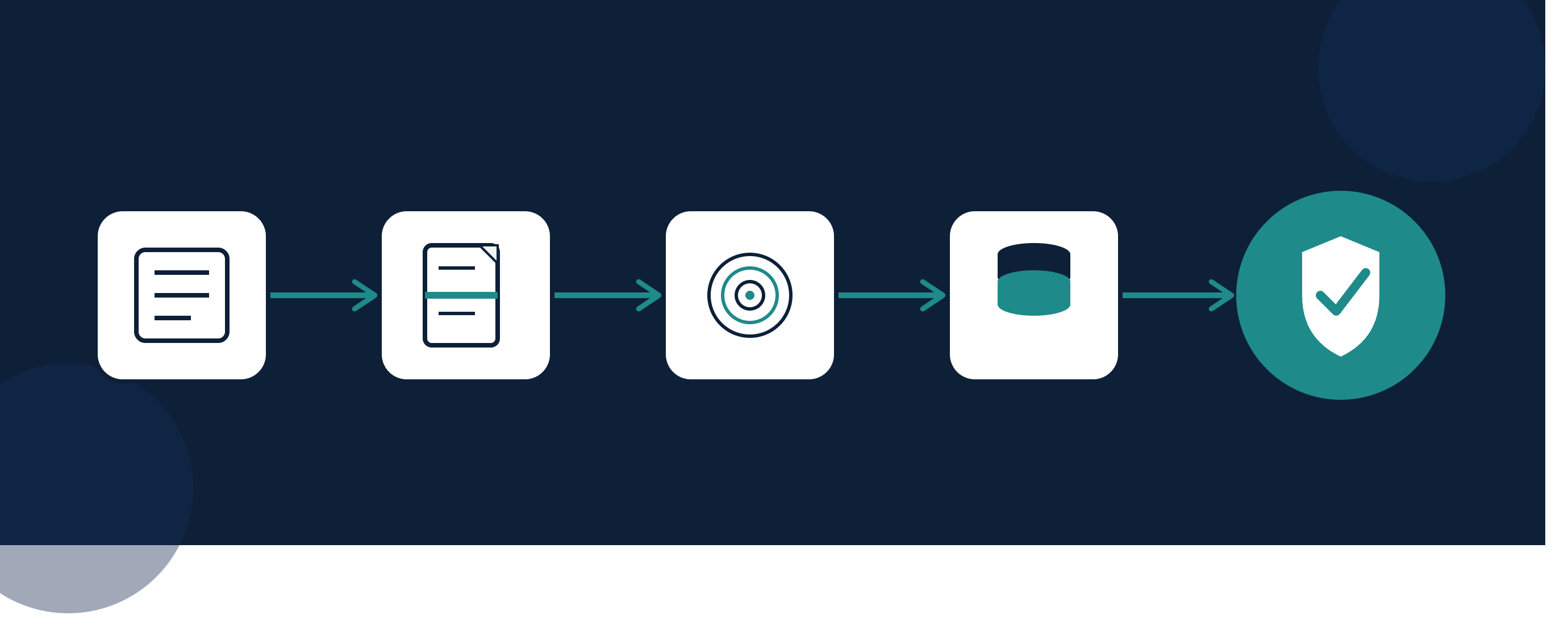
Step 1: Information Collection
The customer provides their personal information through the crypto platform's onboarding interface — typically their name, date of birth, address, and identification number. For individual customers, these four data elements are the statutory minimum under CIP requirements.
Step 2: Document Capture
The customer submits a government-issued photo identification document — most commonly a passport, national identity card, or driver's license. The document may be captured through a mobile camera, webcam, or file upload.
Step 3: Document Authenticity Verification
Automated tools analyze the submitted document to confirm it appears genuine — checking for signs of tampering, confirming that security features are present and consistent with the document type, and extracting the data embedded in the document to compare it against what the customer provided.
Step 4: Biometric Verification
The customer takes a selfie or records a short video. Liveness detection technology confirms the selfie is of a live person rather than a photograph or screen replay. Facial comparison technology compares the selfie to the photo on the ID document to confirm they match.
Biometric verification guards against two of the most common identity fraud vectors in crypto: using a genuine ID belonging to someone else, and submitting a high-quality copy of another person's ID document.
Step 5: Database Checks
The verified identity information is run against multiple databases: OFAC sanctions lists, Politically Exposed Persons databases, adverse media databases, and other relevant watchlists. In the crypto context, wallet screening through blockchain analytics tools may also occur at this stage.
Step 6: Risk Assessment and Decision
Based on the collected information and verification results, the customer is assigned a risk tier and a verification decision is made — approved, pending manual review, or declined. Higher-risk customers are flagged for enhanced due diligence before onboarding is completed.
Automated vs. Manual Review
Most crypto identity verification programs use automated tools for the first pass — automated document verification and biometric matching can handle the majority of verifications in seconds. Cases that fall outside the automated confidence thresholds — complex documents, low-quality images, potential fraud signals — are escalated to manual review by trained compliance analysts.
The proportion of cases requiring manual review varies by the quality of your automated tools and the composition of your customer base. Well-tuned automated programs with global document coverage can complete most verifications without manual intervention.
Choosing a Crypto Identity Verification Solution
Key criteria for evaluating identity verification vendors include global document coverage — how many countries and document types are supported, fraud detection capabilities, liveness detection strength, integration options and API quality, data security and privacy compliance, accuracy rates and false positive rates, and audit trail and recordkeeping features that support your BSA documentation requirements.
See our guide on how to choose a KYC provider for a detailed evaluation framework.
Frequently Asked Questions
How long does crypto identity verification take?
Automated identity verification typically completes in under 2 minutes for straightforward cases. Cases requiring manual review typically take minutes to hours, depending on your manual review team's capacity. Optimizing the ratio of automated to manual review has a significant impact on customer experience and compliance costs.
What happens if a customer fails identity verification?
Customers who cannot be successfully verified should not be permitted to access the platform. Depending on the nature of the failure — potential fraud signals versus simply submitting poor-quality documents — the appropriate response ranges from requesting a new submission to filing a SAR and permanently declining the customer.
Are there jurisdictions where identity verification is harder?
Yes. Certain countries have less standardized identity documents or lower-quality document data available for automated verification. Global document coverage is a critical factor in vendor selection if your platform serves customers in multiple countries. Vendors vary significantly in their coverage of emerging market documents.
How ComplyOne Helps
ComplyOne helps crypto companies design and implement identity verification programs — from CIP policy through vendor selection, workflow design, and integration with broader KYC and AML programs — through advisory services, compliance technology, or both.
Talk to the ComplyOne team to get started.
The information in this article is for general educational purposes and does not constitute legal or regulatory advice. Consult a qualified compliance professional for guidance specific to your situation.