The Travel Rule requires crypto companies to collect and transmit originator and beneficiary information for covered transfers. Here is what it requires, how it applies to crypto, and how to implement it.
What Is the Travel Rule? A Crypto Compliance Guide
The Travel Rule is one of the most operationally complex BSA requirements for cryptocurrency businesses. It predates crypto by decades — originally enacted to require banks to pass along customer information with wire transfers — but its application to virtual asset transfers has created significant implementation challenges across the crypto industry.
What the Travel Rule Requires
Under the BSA's Travel Rule — codified at 31 CFR § 103.33 — covered financial institutions must collect and transmit specific information about originators and beneficiaries when processing funds transfers of $3,000 or more.
For traditional wire transfers, this means passing along the name, address, and account number of the originator and the name and account number of the beneficiary alongside the transfer itself.
For cryptocurrency transfers, FinCEN confirmed that the Travel Rule applies to covered virtual currency money transmitters. When a crypto money transmitter processes a transfer of $3,000 or more, it must collect the required originator and beneficiary information and transmit that information to the receiving institution along with the transfer.
The Challenge for Crypto
The traditional Travel Rule was designed for a correspondent banking system where institutions have established bilateral relationships and defined messaging protocols. Cryptocurrency operates differently — transactions can be sent between parties who have never interacted, using public blockchain infrastructure rather than closed correspondent banking networks.
This creates practical challenges. The sending institution may not know the identity of the receiving institution before initiating the transfer. The receiving institution may not be a regulated entity at all — transfers can go to non-custodial wallets where there is no counterpart institution to receive information.
Industry Solutions
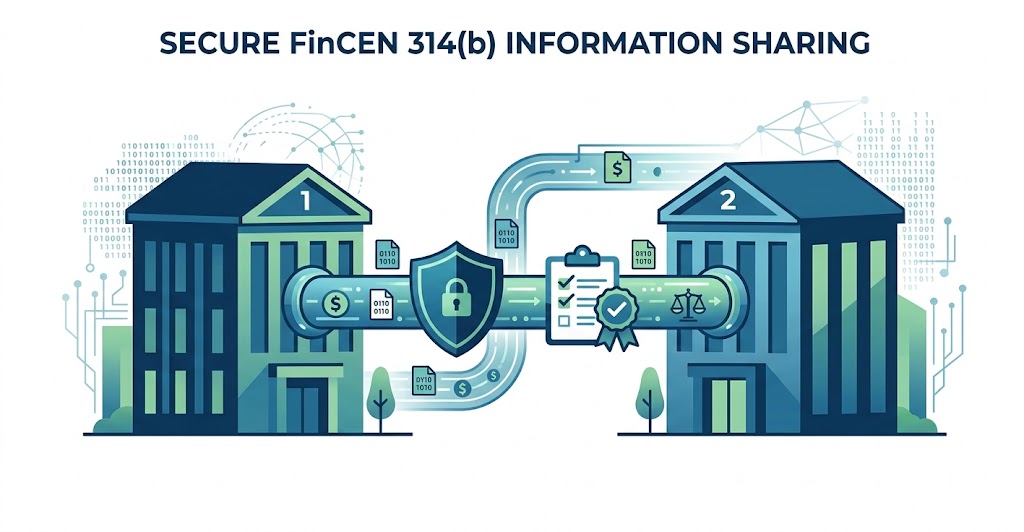
Several industry protocols have emerged to facilitate Travel Rule compliance for crypto companies. These include the TRUST protocol in the U.S., Sygna Bridge, TRP (Travel Rule Protocol), and others. Each provides a mechanism for regulated crypto institutions to identify each other, exchange required customer information, and satisfy the Travel Rule for covered transfers.
Selecting and implementing a Travel Rule solution requires evaluating protocol coverage — which institutions have adopted the protocol, integration requirements, and how the solution handles transfers to unhosted wallets.
The FATF Extension Internationally
The Financial Action Task Force extended the Travel Rule to virtual assets through its Recommendation 16 guidance. Most major jurisdictions are implementing FATF's virtual asset Travel Rule requirements, meaning Travel Rule compliance is increasingly a global obligation for crypto businesses with cross-border operations.
Frequently Asked Questions
Does the Travel Rule apply to all crypto transfers?
The Travel Rule applies to transfers of $3,000 or more conducted by covered crypto money transmitters. Transfers below the threshold are not subject to the Travel Rule collection and transmission requirements, though institutions should still collect information consistent with their KYC programs.
What happens when a transfer goes to an unhosted wallet?
Transfers to unhosted wallets — wallets controlled by the end user rather than a regulated institution — present a Travel Rule implementation challenge because there is no counterpart institution to receive the required information. FinCEN and FATF guidance on unhosted wallet Travel Rule obligations continues to evolve.
How ComplyOne Helps
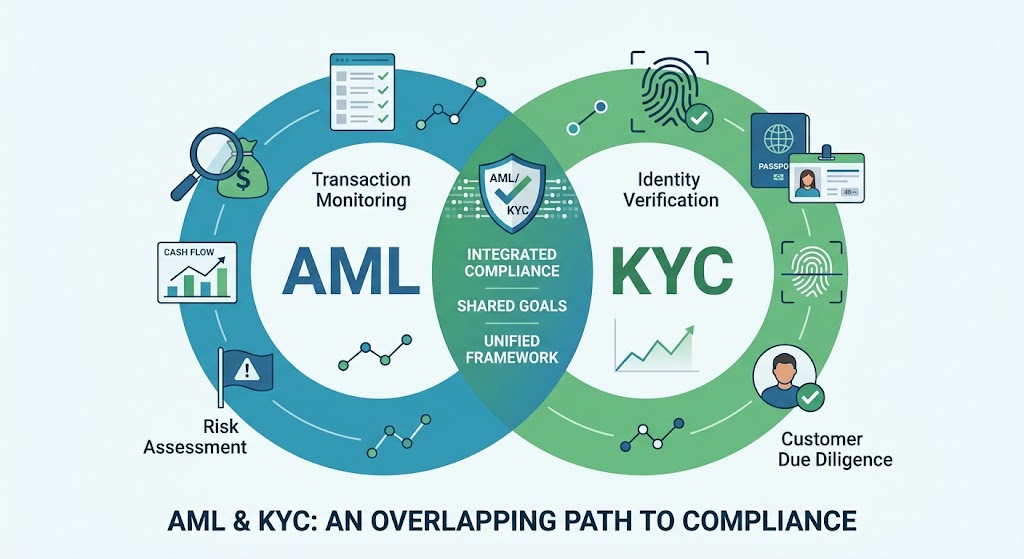
ComplyOne helps crypto companies implement Travel Rule compliance — from protocol selection through integration and operational workflow design. For a broader look at AML compliance for crypto companies — through advisory services, compliance technology, or both.
Talk to the ComplyOne team to get started.
The information in this article is for general educational purposes and does not constitute legal or regulatory advice. Consult a qualified compliance professional for guidance specific to your situation.