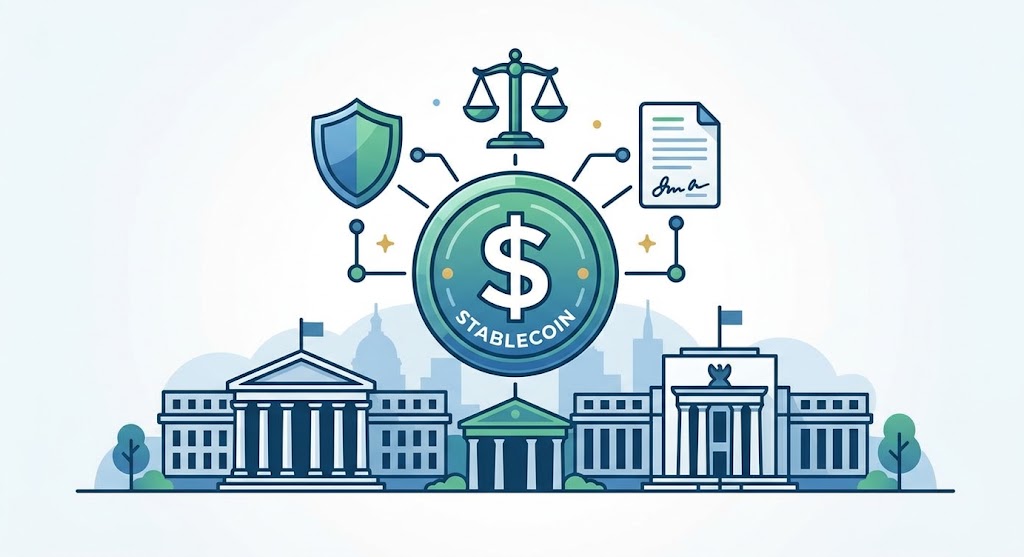
Stablecoins face a complex and evolving compliance landscape — touching money transmission, banking regulation, securities law, and consumer protection. This guide explains what stablecoin compliance requires for fintechs.
What Is Stablecoin Compliance? A Guide for Fintechs
Stablecoins — digital assets pegged to the US dollar — are among the fastest-growing segments of crypto. They're also one of the most complex from a compliance perspective.
What Is a Stablecoin?
A stablecoin is a cryptocurrency designed to maintain a stable value by being pegged to a reference asset — most commonly the US dollar. The major types:
- Fiat-backed (USDC, USDT) — backed 1:1 by fiat reserves held at banks
- Crypto-backed (DAI) — backed by other cryptocurrencies in smart contract escrow
- Algorithmic — backed by algorithmic mechanisms (largely discredited after TerraUSD's 2022 collapse)
Compliance Requirements for Stablecoin Issuers
Money Transmission Licensing
Most state regulators have concluded that issuing, selling, and redeeming fiat-backed stablecoins constitutes money transmission. Stablecoin issuers typically need money transmitter licenses across the states where they conduct this activity.
FinCEN MSB Registration
Stablecoin issuers engaging in money transmission must register as MSBs with FinCEN and maintain a full BSA/AML compliance program.
Federal Regulatory Attention
Multiple federal agencies scrutinize stablecoin issuers:
- OCC: Has permitted national banks to hold stablecoin reserves
- Federal Reserve / FDIC: Issued guidance on banks participating in stablecoin networks
- Congress: Stablecoin-specific legislation has been actively debated and moved forward
Compliance for Fintechs That Use Stablecoins (But Don't Issue Them)
KYC/AML Requirements
Any fintech letting customers hold or transfer stablecoins must conduct KYC at onboarding and monitor stablecoin transactions for suspicious activity.
Sanctions Screening
OFAC has sanctioned specific stablecoin wallet addresses. Stablecoin transactions must be screened against the SDN List — including associated wallet addresses. Some stablecoin issuers (particularly Circle for USDC) can freeze specific wallet addresses at the smart contract level in response to law enforcement orders.
Money Transmission Considerations
Transmitting stablecoins on behalf of customers may itself constitute money transmission in many states, triggering licensing requirements.
Consumer Protection Considerations
- Reserve transparency: Customers should understand what backs the stablecoin and what protections exist — stablecoins are not FDIC insured
- Redemption risk: Customers need to understand whether and how they can redeem stablecoins for fiat
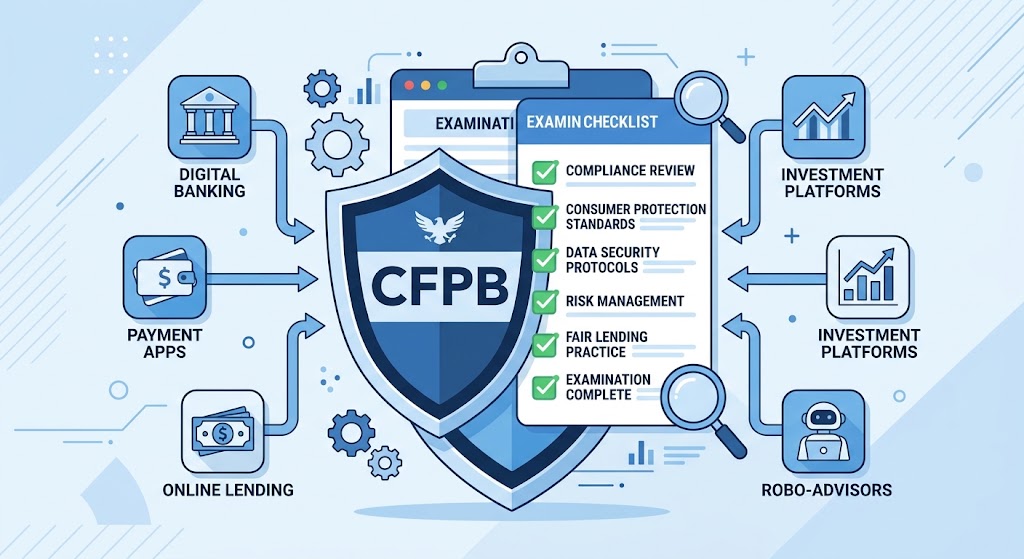
- CFPB attention: The CFPB has expressed interest in stablecoins used as payment instruments
Frequently Asked Questions
Are stablecoins securities?
Most major fiat-backed stablecoins have not been treated as securities by the SEC. However, algorithmic stablecoins and some structured stablecoin arrangements may be more susceptible to a securities characterization. Consult securities law counsel.
Does FDIC insurance apply to stablecoin accounts?
No — stablecoins are not deposits. The reserves backing a stablecoin may be held in FDIC-insured accounts, but stablecoin holders don't directly benefit from that insurance.
What does a compliance program for a stablecoin business look like?
Full AML/KYC onboarding, transaction monitoring for stablecoin transfers, OFAC sanctions screening of wallet addresses, state MTLs where required, and FinCEN MSB registration.
This article is for educational purposes only and does not constitute legal or compliance advice. Stablecoin regulation is evolving rapidly. Consult qualified legal counsel for guidance specific to your business.