Remittance companies that send money internationally face specific compliance obligations beyond standard money transmitter requirements. Here is what remittance compliance covers and what is required
What Is Remittance Compliance? A Guide for Money Transfer Companies
Remittance compliance refers to the full set of regulatory obligations that apply to businesses sending money internationally on behalf of consumers — a category that includes traditional remittance companies, cross-border payment fintechs, and any platform that facilitates consumer-to-consumer international money transfers.
Remittance companies face standard money transmitter compliance requirements plus additional consumer protection obligations specific to international transfers. Understanding the complete compliance picture is essential for any company in this space.
The Standard Money Transmitter Foundation
Remittance companies are money transmitters — they receive funds from consumers and transmit them to recipients in other countries. This means they are MSBs subject to FinCEN registration, full BSA/AML compliance obligations, and state money transmitter license requirements in states where they serve customers.
The AML risk profile of a remittance company typically involves elevated geographic risk — because transactions flow to a wide range of international destinations including some high-risk jurisdictions — and elevated structuring risk — because remittance corridors are commonly used for both legitimate and illicit fund movement.
The CFPB Remittance Transfer Rule
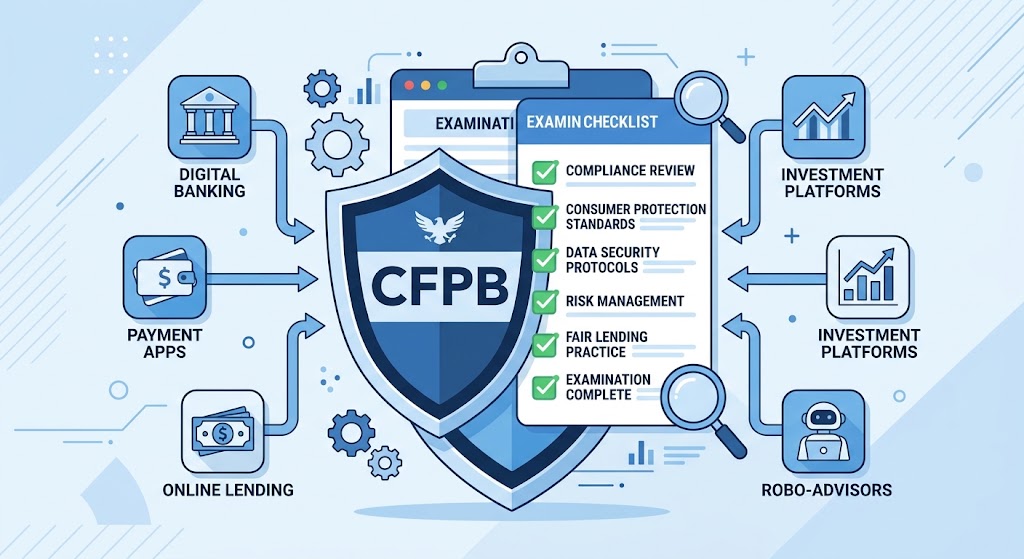
Beyond the standard money transmitter framework, remittance companies sending money internationally are subject to the CFPB's Remittance Transfer Rule, which implements the Electronic Fund Transfer Act's protections for international money transfers.
The Remittance Transfer Rule requires specific pre-transfer disclosures to consumers including the exchange rate that will be used, fees and taxes charged by the remittance company, fees charged by intermediary institutions, and the amount the recipient will receive.
Cancellation rights — consumers have the right to cancel a remittance transfer within 30 minutes of payment in most cases. Error resolution procedures — when a transfer is not delivered correctly, the remittance company must investigate and, where appropriate, refund or redeliver the funds. Receipt requirements — consumers must receive a written receipt confirming the transfer details.
High-Risk Corridor Management
The AML risk of a remittance business is heavily shaped by which corridors it serves — which country pairs it facilitates transfers between. Corridors involving countries on FATF grey or black lists, OFAC-sanctioned jurisdictions, or countries with known high levels of financial crime require elevated controls.
Effective remittance AML compliance includes a corridor risk assessment that specifically evaluates each destination country against relevant risk factors, enhanced controls for high-risk corridors, and in some cases corridor restrictions or prohibitions for destinations where adequate controls cannot be implemented.
OFAC Compliance for Remittances
Every remittance involves cross-border transactions with international counterparties — elevating OFAC sanctions risk relative to domestic-only payment businesses. OFAC sanctions screening must cover both the sending customer and the receiving beneficiary, including the beneficiary's country and institution.
Frequently Asked Questions
Do remittance companies need separate state licenses?
Remittance companies need money transmitter licenses in each state where they accept remittances — which means every state where their customers are located. There is no separate "remittance license" — the applicable license is a state money transmitter license.
What is the CFPB's safe harbor for remittance disclosures?
The CFPB provides safe harbor from liability for errors in disclosed exchange rates and fees when certain conditions are met — primarily related to using estimates for transfers where exact amounts cannot be predetermined. The safe harbor provisions are detailed and require careful compliance analysis.
How ComplyOne Helps
ComplyOne helps remittance companies build comprehensive compliance programs — from AML compliance risk assessment and KYC through CFPB remittance rule compliance and state licensing. See also our guide on AML compliance for payments companies — through advisory services, compliance technology, or both.
Talk to the ComplyOne team to get started.
The information in this article is for general educational purposes and does not constitute legal or regulatory advice. Consult a qualified compliance professional for guidance specific to your situation.