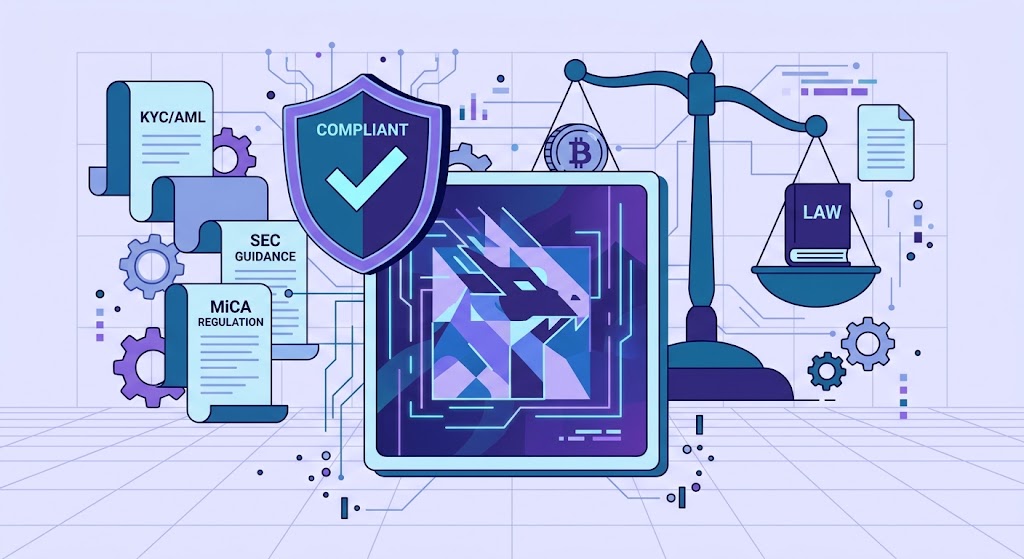
NFTs occupy a complex regulatory space — potentially touching securities law, money transmission, AML, and consumer protection. This guide explains the current US compliance landscape for NFT businesses.
NFT Compliance — What Fintechs and Crypto Companies Need to Know
Non-fungible tokens exist in one of the most ambiguous regulatory spaces in financial services. Here's what NFT businesses need to understand about US compliance obligations.
What Is an NFT?
A non-fungible token (NFT) is a unique digital asset recorded on a blockchain. Unlike Bitcoin or Ether — where each unit is interchangeable — each NFT is one-of-a-kind. NFTs have been used to represent digital artwork, music, gaming items, event tickets, and real-world asset ownership.
The Core Compliance Question: Is Your NFT a Security?
The most significant compliance question for NFT businesses is whether any given NFT is a security under US law. If an NFT is a security, it must be either registered with the SEC or sold under an available exemption. The platform selling it may need to register as a securities exchange or broker-dealer.
When might an NFT be a security? Apply the Howey Test: Is there (1) an investment of money, (2) in a common enterprise, (3) with an expectation of profits, (4) from the efforts of others? NFTs marketed with profit promises or those tied to a project where buyers expect returns from the team's efforts may be securities. The SEC has brought enforcement actions against NFT projects it determined were unregistered securities offerings.
AML Compliance for NFT Platforms
FATF has identified NFT marketplaces as potentially subject to Virtual Asset Service Provider (VASP) obligations depending on how they operate.
If your platform facilitates fiat transactions: If customers use USD to buy NFTs or receive fiat proceeds from NFT sales, money transmitter license and AML compliance program obligations may apply.
High-value art market rules: FinCEN finalized AML rules for high-value art dealers — platforms facilitating sales of high-value NFTs used as art should review these rules.
Consumer Protection Considerations
UDAAP principles apply if your platform makes misleading claims about NFT value or utility
FTC authority extends to unfair or deceptive acts in commerce — including fraudulent NFT "rug pulls"
State attorney general authority has been used against NFT scams
Practical Compliance Steps
Securities law analysis — assess whether NFTs you facilitate may be securities
AML program — implement KYC for users who transact in fiat
OFAC sanctions screening — screen users against OFAC SDN List
Consumer disclosures — clearly disclose risks of NFT purchases
Smart contract audits — technical audits reduce fraud and hack liability
Frequently Asked Questions
Does my NFT marketplace need a money transmitter license?
If you collect fiat from buyers and distribute it to sellers — functioning as a payment intermediary — money transmitter licensing may apply. Consult legal counsel.
How do I know if my NFT project is a security?
Securities law analysis for NFTs requires qualified legal counsel. There is no bright-line test — the analysis depends on the specific facts of your project, how it was marketed, and what rights NFT holders have.
This article is for educational purposes only and does not constitute legal or compliance advice. NFT regulation is evolving rapidly. Consult qualified legal and securities counsel for guidance specific to your project.