KYC requirements in cryptocurrency are the same as in traditional finance — but the implementation looks different. Here is what KYC means for crypto companies, what it requires, and how it fits into the broader compliance framework.
KYC in Cryptocurrency: What It Means and What It Requires
Know Your Customer — KYC — in cryptocurrency refers to the identity verification and customer due diligence requirements that apply to crypto businesses under the Bank Secrecy Act and related AML regulations. The legal requirements are the same as those that apply to banks and other financial institutions — but the technology, transaction patterns, and compliance challenges unique to crypto make implementation different in important ways.
This article explains what KYC means for crypto companies, what it requires at a practical level, and how crypto-specific factors shape a compliant KYC program.
The Legal Basis for Crypto KYC
FinCEN's 2013 guidance established that most cryptocurrency businesses qualify as Money Services Businesses under the Bank Secrecy Act. This classification subjects them to the same Customer Identification Program requirements and customer due diligence obligations that apply to banks, money transmitters, and other covered financial institutions.
The global AML standard-setter — the FATF — has confirmed that Virtual Asset Service Providers are subject to AML and KYC standards equivalent to those applied to traditional financial institutions. This international standard reinforces the US BSA framework and shapes the expectations of regulators globally for how crypto companies approach customer identification.
What Crypto KYC Requires in Practice
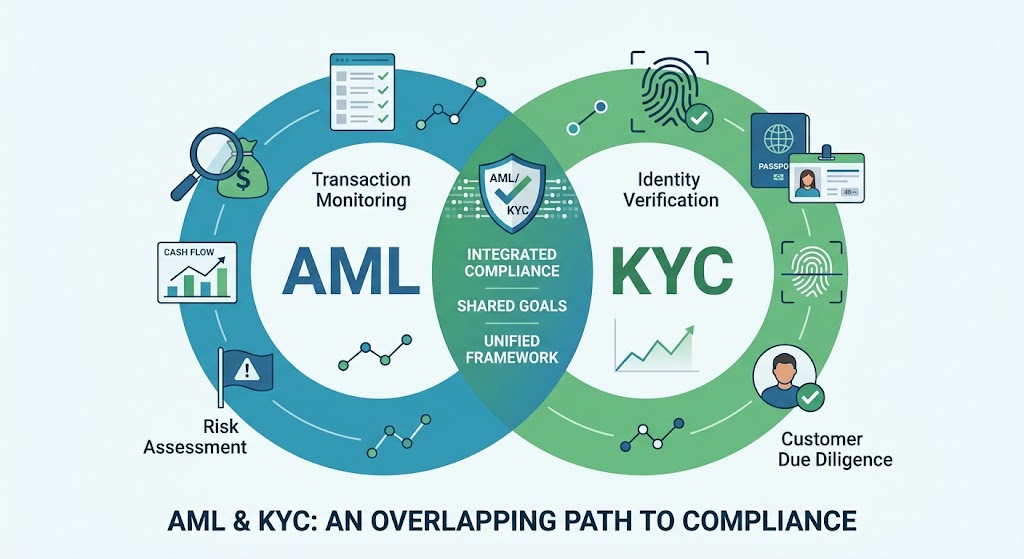
At its core, crypto KYC requires the same things as KYC in any other financial services context: collecting identifying information about customers, verifying that information, screening customers against applicable sanctions lists and watchlists, and applying enhanced due diligence to higher-risk customers.
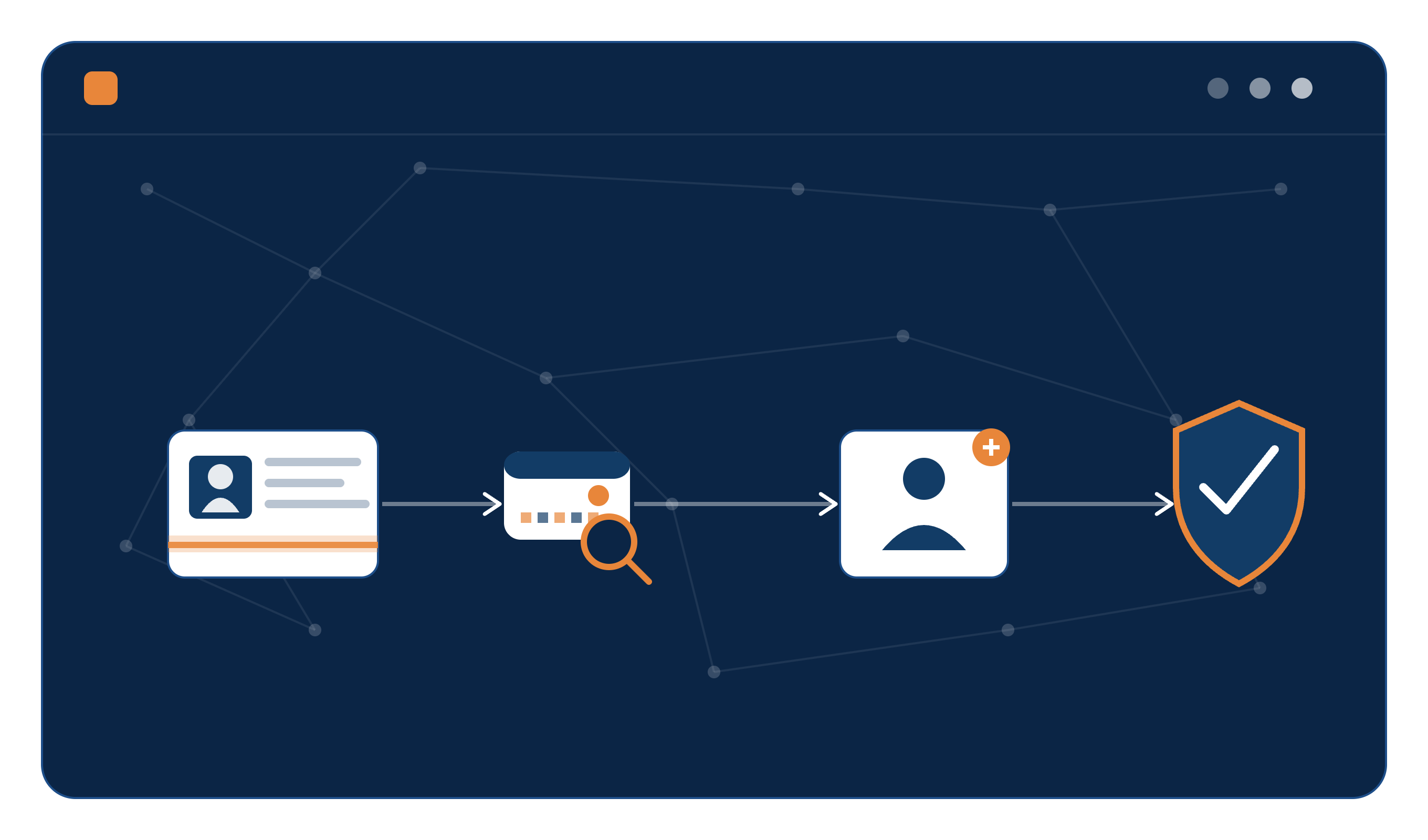
For individual customers, the required information includes full legal name, date of birth, residential address, and a government-issued identification number. For business customers, required information extends to the business's legal details and beneficial ownership information.
Verification requires confirming that the information provided is accurate and that the customer is who they claim to be. This typically involves automated document verification — reviewing a government-issued photo ID — combined with biometric verification to confirm the document belongs to the person submitting it.
Crypto-Specific KYC Challenges
Pseudonymity
Cryptocurrency wallets are identified by addresses — strings of characters — rather than names. The inherent pseudonymity of blockchain addresses means that associating on-chain activity with a specific verified identity requires additional tooling. This is why crypto KYC must go beyond identity verification at onboarding to include wallet address screening and blockchain analytics as part of the compliance program.
Cross-Border Transactions
Cryptocurrency enables instant global transactions. A single customer may receive funds from dozens of wallet addresses across multiple jurisdictions in a single day. KYC programs must be designed to handle this cross-border complexity — including screening counterparty wallet addresses for risk signals regardless of geography.
The Travel Rule
The Travel Rule requires covered institutions to pass identifying information about originators and beneficiaries along with transfers above certain thresholds. In the cryptocurrency context, complying with the Travel Rule requires technical infrastructure to transmit and receive Travel Rule data between Virtual Asset Service Providers — making KYC data an input to transaction processing, not just a onboarding step.
Blockchain Analytics as a KYC Tool
Blockchain analytics tools trace the provenance of cryptocurrency funds on the public blockchain ledger, identifying whether funds have transacted with sanctioned addresses, darknet markets, ransomware wallets, or other high-risk sources. Integrating blockchain analytics into your KYC and ongoing monitoring program gives you visibility into the risk profile of the funds your customers are transacting with — not just who your customers are.
Frequently Asked Questions
Is anonymous crypto trading permitted under US law?
Not for regulated businesses. Centralized exchanges, custodial wallet providers, and other crypto businesses regulated as MSBs must verify the identity of all customers. There is no provision for anonymous trading at regulated US crypto businesses. Privacy-enhancing technologies — mixers, privacy coins — are subject to heightened scrutiny precisely because of their use to evade KYC requirements.
How does KYC apply to NFT platforms?
Whether KYC applies to NFT platforms depends on whether the platform's activities constitute money transmission. Platforms that facilitate the exchange of cryptocurrency for NFTs or enable the redemption of NFTs for cryptocurrency may constitute money transmission and be subject to KYC requirements. This is an area of evolving regulatory guidance and qualified compliance counsel should be consulted for specific platform models.
How ComplyOne Helps
ComplyOne helps crypto companies build and maintain KYC programs that satisfy BSA requirements — from identity verification through blockchain analytics, Travel Rule compliance, and integration with the broader AML program — through advisory services, compliance technology, or both.
Talk to the ComplyOne team to get started.
The information in this article is for general educational purposes and does not constitute legal or regulatory advice. Consult a qualified compliance professional for guidance specific to your situation.