complete guide for fintechs on obtaining and maintaining a New Hampshire money transmitter license — requirements, application steps, and ongoing compliance.
How to Get a Money Transmitter License in New Hampshire
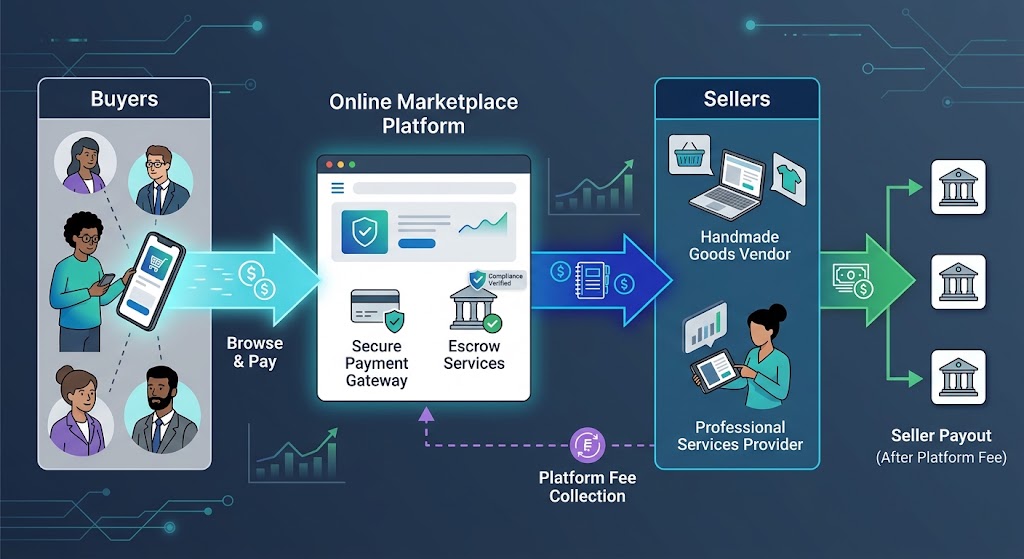
If your fintech transmits money on behalf of customers in New Hampshire — whether through a payments app, remittance platform, digital wallet, or crypto exchange — you likely need a money transmitter license (MTL) from the New Hampshire Banking Department. Operating without one is a violation of state law and can result in fines, cease-and-desist orders, and reputational damage.
This guide walks through everything you need to know about getting a money transmitter license in New Hampshire, from determining whether you need one to submitting your application and staying compliant after approval.
What Is the New Hampshire Money Transmitter License?
New Hampshire's money transmitter licensing requirements are governed by RSA Chapter 399-G, the Money Transmitters statute. The law requires any person or entity engaged in money transmission — defined as receiving money or monetary value for transmission — to obtain a license from the NH Banking Department unless a specific exemption applies.
The NH Banking Department is the primary regulator for money transmitters operating in or into New Hampshire. All applications are filed through the Nationwide Multistate Licensing System (NMLS), the centralized platform used across most US states for financial services licensing.
Does My Fintech Need a New Hampshire Money Transmitter License?
You likely need a New Hampshire MTL if your business:
- Accepts funds from customers in New Hampshire and transmits them to another person or location
- Operates a digital wallet or stored value product that allows customers to send or spend funds
- Provides remittance or cross-border payment services to or from New Hampshire residents
- Operates a crypto exchange or digital asset platform that transmits fiat currency
- Processes peer-to-peer payments on behalf of customers
Common exemptions under RSA 399-G include federally insured banks and credit unions, the US Postal Service, and certain agents operating under a licensed principal. If you are unsure whether your business model triggers the licensing requirement, consult a compliance professional before assuming an exemption applies. Learn more about who needs a money transmitter license.
Key Requirements at a Glance
For current fee schedules and bond minimums, always refer directly to the NMLS Resource Center and the NH Banking Department's licensing checklist, as these figures are subject to change.
What You'll Need to Apply
Before submitting your application through NMLS, gather the following:
- Completed MU1 (company) and MU2 (individual) forms in NMLS for the company and all control persons
- Certificate of good standing from your state of formation
- Audited financial statements for the most recent fiscal year, prepared by a licensed CPA — see our guide on MTL audited financial statement requirements
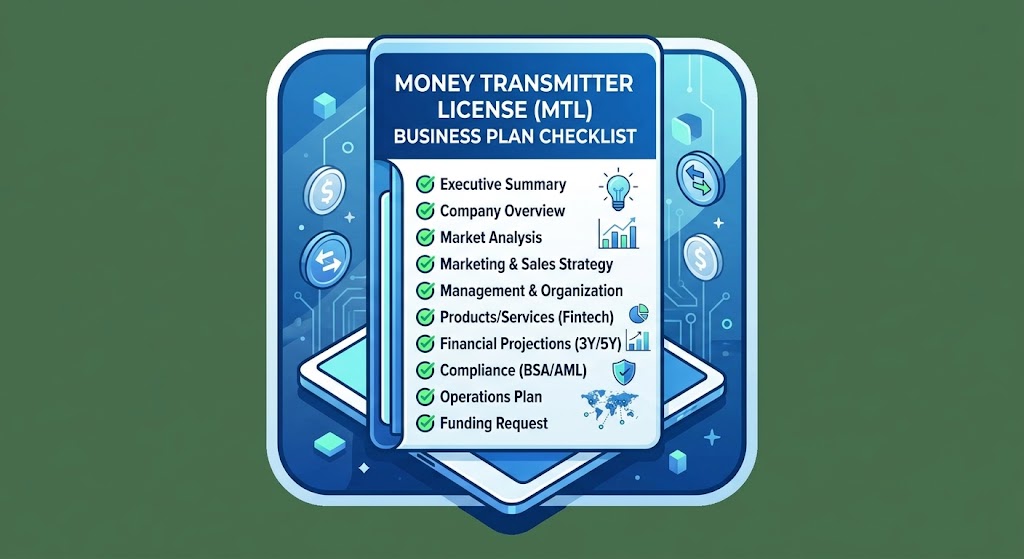
- Business plan describing your products, target markets, transaction volumes, and compliance program
- AML/BSA compliance program documentation — policies, procedures, and your designated compliance officer
- Surety bond in the required amount, issued by an approved surety company
- Organizational chart showing ownership structure and key personnel
- Background check authorization for all control persons (fingerprints submitted via NMLS)
- List of authorized delegates or agents, if applicable
- Sample customer agreements and disclosures
How to Apply: Step by Step
Step 1: Create or Log Into Your NMLS Account
All New Hampshire MTL applications are submitted through NMLS. If your company does not already have an NMLS account, create one at the NMLS website. Your company will receive an NMLS ID that is used throughout the application and licensing process.
Step 2: Complete the MU1 Form
The MU1 is the primary company application form in NMLS. It captures your business details, ownership structure, financial history, and regulatory history (including any prior enforcement actions or license denials). Be thorough and accurate — incomplete or inconsistent answers are one of the most common causes of processing delays.
Step 3: Submit MU2 Forms for All Control Persons
Every individual who owns 10% or more of the company or exercises control must complete an MU2 form and submit fingerprints for a background check through NMLS. This includes officers, directors, and managing members.
Step 4: Upload Supporting Documents
Through the NMLS document upload system, attach all required documents including audited financials, business plan, AML program documentation, organizational chart, and any state-specific exhibits required by the NH Banking Department.
Step 5: Obtain and Upload Your Surety Bond
Your surety bond must be in the amount required by the NH Banking Department for your projected transaction volume. Work with a licensed surety provider to obtain the bond, then upload it to NMLS.
Step 6: Pay the Application Fee
Application fees are paid through NMLS at the time of submission. Refer to the NMLS fee schedule for current New Hampshire MTL application fees.
Step 7: Respond to Deficiency Notices
The NH Banking Department will review your application and may issue deficiency notices requesting additional information or clarification. Respond promptly and completely to avoid delays. Processing times vary — learn about typical MTL approval timelines here.
Ongoing Compliance Requirements
Once licensed, your obligations don't stop. New Hampshire MTL holders must:
- Renew annually through NMLS — renewal deadlines are set by the NH Banking Department
- File annual reports disclosing transaction volumes, financial condition, and authorized delegates
- Maintain permissible investments equal to outstanding transmission obligations at all times
- Maintain required net worth and surety bond coverage as your business grows
- Submit to periodic examinations by the NH Banking Department
- Notify the Department promptly of material changes to your business, key personnel, or ownership
- Maintain a robust AML/BSA compliance program including transaction monitoring, SAR filing, and annual independent testing
For a full breakdown of annual reporting obligations, see our guide on MTL annual reporting requirements.
Multi-State Licensing Considerations
Most fintechs don't operate in just one state. If you're building a multi-state payments business, New Hampshire is typically a mid-priority state to license — larger markets like New York, California, and Texas usually come first given their volume and market size. However, if you have significant customer activity in New Hampshire, licensing there is a compliance requirement regardless of how early-stage your company is.
For a prioritization framework, see our guide on fintech licensing strategy.
Frequently Asked Questions
Does New Hampshire require a separate license for crypto or digital assets?
New Hampshire does not currently have a standalone cryptocurrency licensing regime separate from its money transmitter law. Crypto companies that transmit fiat currency or function as money transmitters under RSA 399-G should obtain an MTL. Review your specific activities with a compliance professional, as the regulatory treatment of purely crypto-to-crypto activities continues to evolve.
Can I use a New Hampshire MTL to cover authorized delegates?
Yes. New Hampshire's statute allows licensees to engage authorized delegates (agents) to conduct money transmission on their behalf. Delegates must be properly registered and the licensee remains responsible for their compliance. Maintain a current list of all delegates and include them in your compliance oversight program.
What happens if I operate in New Hampshire without a license?
Operating without a required MTL in New Hampshire can result in civil penalties, cease-and-desist orders, and criminal charges in severe cases. Learn more about the consequences of unlicensed money transmission.
How long does New Hampshire MTL approval take?
Processing times vary based on application completeness and the Department's current workload. Well-prepared applications with no deficiencies typically process faster. See our general guide on MTL processing timelines for context across states.
Do I need a compliance officer to apply?
Yes. New Hampshire requires applicants to designate a qualified compliance officer responsible for your AML/BSA program. This individual must have relevant experience and be identified in your application materials.
Disclaimer: This article is for informational purposes only and does not constitute legal or compliance advice. Licensing requirements, fees, and bond amounts change frequently. Always consult the NH Banking Department, the NMLS Resource Center, and a qualified compliance professional for current requirements before submitting an application.
Talk to the ComplyOne team to get started.