Sanctions screening is one of the most non-negotiable compliance requirements for fintechs that move money. Here are the best practices and requirements every fintech needs to know to build a compliant, effective sanctions screening program.
Fintech Sanctions Screening: Best Practices and Requirements
Sanctions screening is one of the most consequential compliance obligations a fintech carries. The consequences of processing a transaction that violates OFAC sanctions — even inadvertently — include civil penalties that can reach millions of dollars per violation, potential criminal liability for willful violations, and in severe cases, loss of access to the financial system.
This article covers the requirements that govern fintech sanctions screening and the best practices that separate programs that hold up under regulatory scrutiny from those that create serious exposure.
The Legal Requirement
Every fintech that moves money must comply with OFAC sanctions regulations. OFAC administers the US economic sanctions programs — over 30 separate programs covering specific countries, designated individuals, and designated entities. The OFAC Specially Designated Nationals list is the primary watchlist that must be screened against, but it is not the only one.
OFAC compliance is a strict liability standard. There is no intent requirement — processing a payment to a sanctioned person is a violation regardless of whether the fintech knew the person was sanctioned. This makes the quality of your screening program a direct determinant of your legal exposure.
For a comprehensive overview of OFAC's requirements, see our guide on OFAC sanctions screening. For a practical implementation guide, see our guide on how to conduct OFAC screening.
Who and What Must Be Screened
Sanctions screening must cover customers at onboarding, existing customers on an ongoing basis as sanctions lists are updated, transaction counterparties, beneficiaries of payments, and for fintechs with international exposure, the jurisdictions and intermediaries involved in cross-border transactions.
In the cryptocurrency context, OFAC has specifically sanctioned individual wallet addresses — so crypto fintechs must screen both named persons and entities and specific blockchain wallet addresses.
Best Practices for Fintech Sanctions Screening
Screen at Multiple Points, Not Just Onboarding
A common program deficiency is screening customers at onboarding but not maintaining ongoing screening against updated sanctions lists. OFAC adds new designations regularly — a customer who cleared sanctions screening at onboarding may become sanctioned afterward. Ongoing screening — daily re-screening against current lists or real-time transaction screening — is required for an effective program.
Use Fuzzy Matching
Sanctions evasion frequently involves minor spelling variations, transliterations from other scripts, and use of aliases or alternative entity names. Screening systems that rely on exact character matching will miss these. Effective sanctions screening requires fuzzy matching — algorithms calibrated to catch close-but-not-exact matches while managing false positive volume.
Cover All Applicable Sanctions Programs
OFAC administers more than 30 separate sanctions programs. Many fintechs screen against the SDN list but do not cover all applicable country-specific programs. Depending on your customer base and transaction flows, additional programs — including OFAC's Comprehensive Sanctions programs for Cuba, Iran, North Korea, and others — may apply. Map your screening coverage against all potentially applicable OFAC programs and fill gaps.
Build a Defensible Alert Review Process
Fuzzy matching generates false positive alerts. Every alert must be reviewed and either confirmed as a true match or cleared as a false positive — with documented rationale for every decision. Alert queues that pile up unreviewed are a significant examination finding. Your alert review SLA and documentation practices are evaluated by regulators alongside your screening coverage.
Have a Blocking and Reporting Procedure
When a true OFAC match is confirmed, the transaction must be blocked immediately. Blocked funds must be held in a specifically designated account. The blocking must be reported to OFAC within 10 business days. Every step of this process must be documented. Having a clear, practiced procedure for blocking and reporting — not figuring it out when you have a real hit — is a best practice that reduces both legal exposure and operational confusion in a time-sensitive situation.
Document Everything
Your screening coverage, your alert review decisions, your false positive clearing rationale, and your true match blocking and reporting actions must all be documented and retained. Documentation is how you demonstrate that your program works when a regulator asks.
Frequently Asked Questions
How often should I update my sanctions lists?
OFAC updates its sanctions lists multiple times per week. Your screening program should be using current list versions — not cached copies that may be weeks or months out of date. Most commercial sanctions screening solutions provide real-time or daily list updates. Verify your vendor's update frequency and ensure it is reflected in your screening operations.
What is the difference between sanctions screening and AML screening?
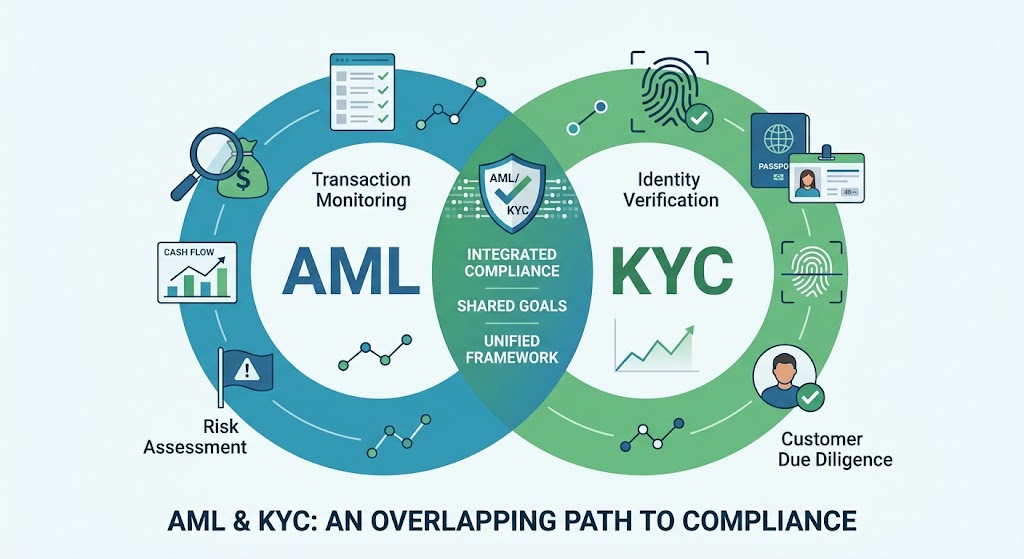
Sanctions screening checks whether a customer or counterparty is prohibited by law — a binary compliance obligation. AML screening is a broader term covering transaction monitoring for suspicious activity patterns associated with money laundering. Both are required elements of a fintech AML program. Sanctions screening is not a substitute for AML monitoring, and AML monitoring is not a substitute for sanctions screening.
How ComplyOne Helps
ComplyOne helps fintechs design and implement sanctions screening programs that meet OFAC requirements — from coverage mapping and technology selection through alert management, blocking and reporting procedures, and examination preparation — through advisory services, compliance technology, or both.
Talk to the ComplyOne team to get started.
The information in this article is for general educational purposes and does not constitute legal or regulatory advice. Consult a qualified compliance professional for guidance specific to your situation.