Different fintech business types face different regulatory requirements. Here is a guide to which regulations apply to payments fintechs, lending fintechs, crypto companies, neobanks, and other common fintech models.
Fintech Regulatory Requirements by Business Type: A Classification Guide
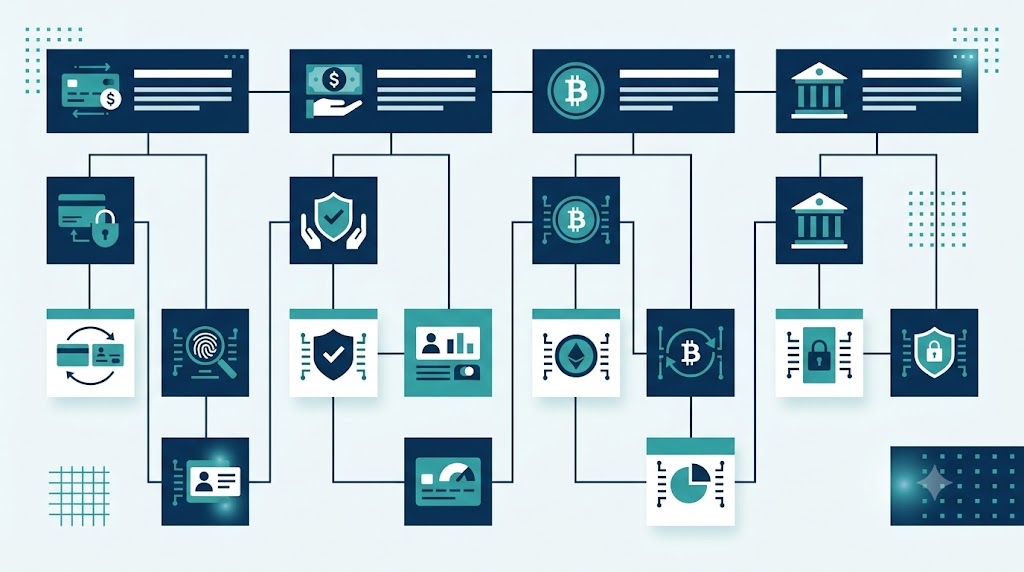
One of the most common compliance questions fintech founders ask is: what regulations apply to my specific business? The answer depends almost entirely on what your business does — and different fintech business models face meaningfully different regulatory frameworks.
This guide provides a classification overview for the most common fintech business types. For the starting point for fintech compliance more broadly, see our dedicated guide.
Payments Fintechs
What they do: Process payments between consumers and merchants or between consumers.
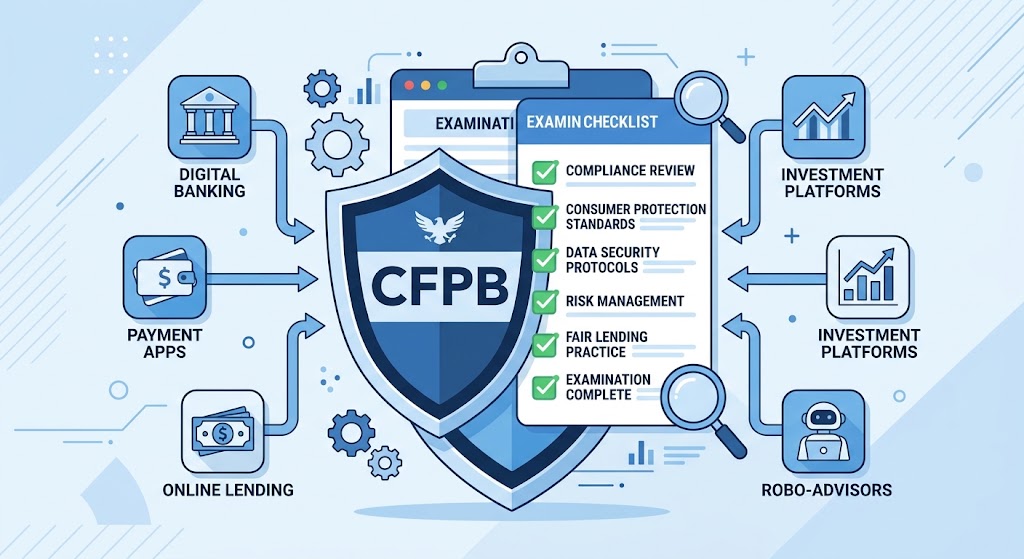
Key regulations: BSA/AML — if the platform qualifies as a money transmitter, full BSA compliance requirements apply including FinCEN registration, AML program, SAR filing. State money transmitter licensing — required in states where customers are located. CFPB/Regulation E — if the platform processes electronic fund transfers for consumer accounts. CFPB/UDAAP — applies to all consumer-facing financial practices.
Priority actions: Determine money transmitter status, complete FinCEN registration, begin state licensing. See our complete guide on AML compliance for payments companies.
Consumer Lending Fintechs
What they do: Extend credit to individual consumers — personal loans, installment credit, BNPL, credit cards.
Key regulations: Regulation Z — Truth in Lending Act disclosures required for consumer credit. Equal Credit Opportunity Act — prohibits discrimination in credit decisions. CFPB oversight — examination authority and UDAAP enforcement. State lending licenses — required for consumer lending in most states.
Priority actions: Analyze state lending license requirements, implement Regulation Z disclosures, establish fair lending policies.
Cryptocurrency Companies
What they do: Exchange, transmit, or custody virtual currencies.
Key regulations: BSA/AML — as MSBs and money transmitters, full BSA compliance including FinCEN registration. OFAC — comprehensive sanctions compliance including wallet address screening. State money transmitter licensing — required in most states. New York BitLicense — if serving New York residents with virtual currency business activity.
Priority actions: Confirm MSB status, complete FinCEN registration, begin state licensing including BitLicense analysis for New York. See our complete guide on AML compliance for crypto companies.
Neobanks and Digital Banks
What they do: Offer consumer deposit accounts, debit cards, and payments through bank partnerships.
Key regulations: BSA/AML — as MSBs in many cases, plus sponsor bank BSA requirements. Regulation E — for electronic fund transfers and digital wallet products. CFPB/UDAAP — for all consumer-facing products. Sponsor bank requirements — comprehensive compliance program requirements.
Priority actions: Establish compliance program meeting sponsor bank standards, implement Regulation E error resolution, address UDAAP across product and marketing.
Remittance Companies
What they do: Facilitate international money transfers.
Key regulations: BSA/AML — as money transmitters, full BSA compliance. CFPB Remittance Transfer Rule — pre-transfer disclosures, error resolution, receipts for international transfers. State money transmitter licensing — in all states where customers are located. OFAC — heightened sanctions risk due to international transfer nature.
Priority actions: Build BSA compliance program with cross-border focus, implement Remittance Transfer Rule disclosures, pursue state licensing.
Frequently Asked Questions
Do all fintechs need the same compliance program?
No. The specific requirements depend on what your business does and which regulatory frameworks apply. However, there is significant overlap — most fintechs that move money need BSA/AML compliance, OFAC sanctions screening, and KYC programs as a foundation.
How ComplyOne Helps
ComplyOne helps fintechs across all business types identify their specific regulatory requirements and build compliance programs that address them — through advisory services, compliance technology, or both.
Talk to the ComplyOne team to get started.
The information in this article is for general educational purposes and does not constitute legal or regulatory advice. Consult a qualified compliance professional for a determination specific to your business model.