Not every fintech needs to register as a Money Services Business with FinCEN — but most that move money do. Here is how to determine whether your specific business qualifies as an MSB and what to do next.
Do I Need to Register as an MSB? How to Determine Your Status
One of the most important regulatory determinations a fintech founder needs to make — and one of the most commonly deferred — is whether their business qualifies as a Money Services Business under federal law. Getting this wrong in either direction has consequences. Operating as an unregistered MSB is a federal crime. Registering when you do not need to creates unnecessary compliance obligations.
This article walks through how to make the determination correctly.
The Seven MSB Categories
FinCEN defines seven categories of Money Services Businesses. Your business qualifies as an MSB if it falls into one or more of these categories.
Money Transmitters
The broadest and most commonly applicable category. A money transmitter is any business that accepts and transmits money — receiving funds from one person and making funds available to another person or in another location.
Most digital payment companies, peer-to-peer platforms, and digital wallet providers that hold and transfer user funds qualify as money transmitters.
Currency Dealers and Exchangers
Businesses that exchange one currency for another — including businesses that exchange fiat currency for cryptocurrency or vice versa. Cryptocurrency exchanges that facilitate trading between currencies are typically currency dealers or money transmitters.
Check Cashers
Businesses that cash checks, drafts, or money orders for a fee.
Issuers of Monetary Instruments or Stored Value
Businesses that issue money orders, traveler's checks, or general-purpose prepaid cards and digital wallets.
Sellers or Redeemers of Monetary Instruments or Stored Value
Businesses that sell or redeem money orders, traveler's checks, or stored value instruments on behalf of issuers.
Dealers in Foreign Exchange
Businesses that exchange foreign currency as a primary business activity.
Cryptocurrency Businesses
FinCEN confirmed in 2013 that cryptocurrency businesses that accept and transmit virtual currency qualify as money transmitters. This covers centralized exchanges, crypto payment processors, and certain custodial wallet providers.
Who Is NOT an MSB
Not every business that touches money qualifies as an MSB. Several categories are specifically excluded.
Banks, credit unions, and other regulated financial institutions that are subject to examination by a federal banking regulator are not required to register as MSBs.
Businesses acting solely as agents of a payee — payment processors facilitating payments for goods and services under specific conditions — may qualify for the payment processor exemption from money transmission classification.
Individuals who transmit money solely for personal purposes — not as a business and not for others — are not MSBs.
Businesses whose money movement is purely incidental to selling goods or services and who do not hold funds on behalf of customers may not qualify as MSBs.
The Most Common Source of Uncertainty: The Payment Processor Exemption
The payment processor exemption is the most frequently misapplied concept in MSB classification. Many businesses that believe they are exempt payment processors are in fact money transmitters — particularly when they hold customer funds, process peer-to-peer transactions, or maintain consumer balances independent of specific merchant transactions.
If you are relying on the payment processor exemption to avoid MSB classification, you need a careful legal analysis of your specific business model before you rely on that position.
How to Make the Determination
The determination of whether your business qualifies as an MSB requires analysis of your specific activities — not general rules applied to your business description.
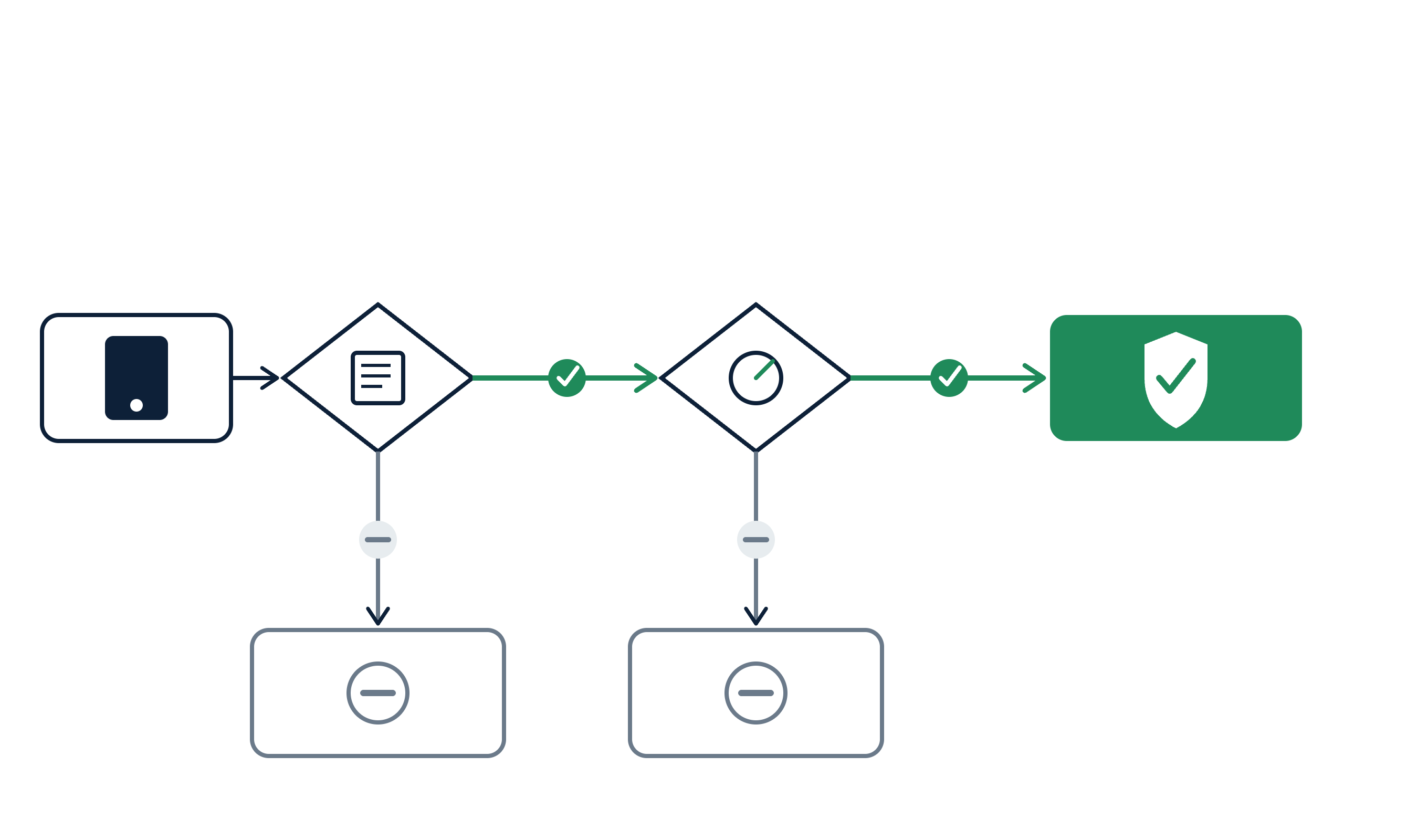
The key questions to analyze are: Does your business accept funds from customers? Does your business transmit those funds to another person or location? Does your business hold customer funds — even temporarily? Are you doing this for the public as a business — or solely for your own account?
If you can answer yes to the first three questions and you are doing this for the public as a business, you are very likely an MSB and very likely a money transmitter specifically.
Frequently Asked Questions
If I use a sponsor bank, does that mean I am not an MSB?
Operating through a sponsor bank does not automatically exempt you from MSB classification. Whether your fintech independently qualifies as an MSB depends on your specific business model and activities — not on your banking structure. If your platform independently constitutes money transmission, you have independent MSB obligations.
Can I be an MSB and also need state money transmitter licenses?
Yes — and most MSBs that are money transmitters need both federal FinCEN registration and state money transmitter licenses in the states where they operate. These are separate, parallel obligations that neither replaces the other.
How do I know if the payment processor exemption applies to my business?
The payment processor exemption applies when your business processes payments solely as an agent of the payee, there is an established relationship with the merchant payee, the transaction is for goods or services, and you do not hold consumer funds independently. If any of these elements are absent from your model, the exemption likely does not apply.
How ComplyOne Helps
ComplyOne helps fintechs determine their MSB status, navigate the payment processor exemption analysis, complete FinCEN registration, and build the compliance programs that MSB status requires — through advisory services, compliance technology, or both.
Talk to the ComplyOne team to get started.
The information in this article is for general educational purposes and does not constitute legal or regulatory advice. Consult a qualified compliance professional for guidance specific to your situation.