Blockchain KYC applies standard Know Your Customer requirements to the cryptocurrency context. Here is how identity verification works for crypto companies, what it requires, and how blockchain technology is shaping KYC solutions.
Blockchain KYC: Identity Verification for Cryptocurrency Companies
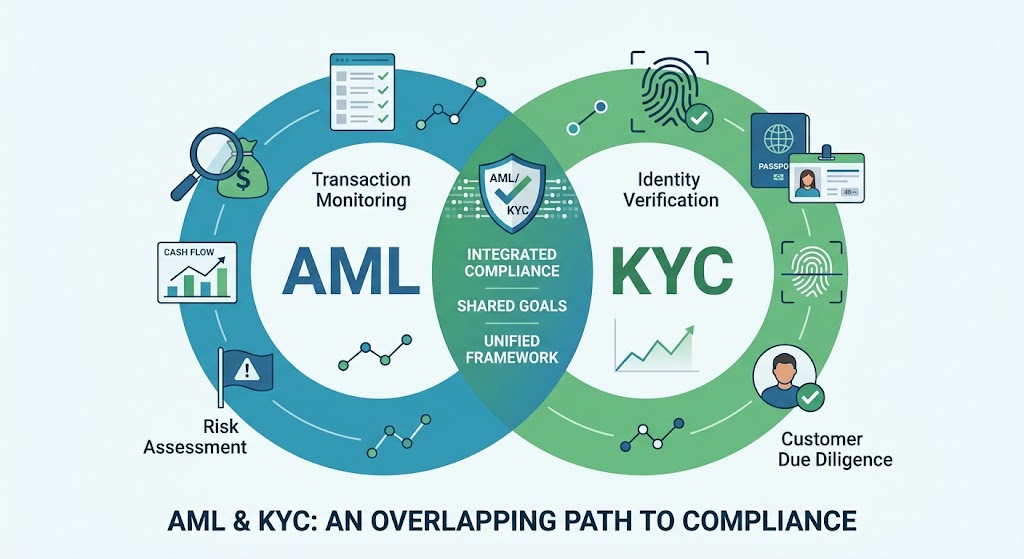
KYC — Know Your Customer — is the process of verifying the identity of customers before allowing them to use your financial product. In the cryptocurrency industry, KYC requirements apply to most businesses that handle digital assets on behalf of customers, and identity verification is one of the foundational elements of every crypto compliance program.
This article explains how KYC applies in the crypto context, what it requires, how it differs from traditional financial services KYC, and how blockchain-native tools are shaping how crypto companies approach identity verification.
Why KYC Is Required for Crypto Companies
Most crypto businesses that accept and transmit virtual currency qualify as Money Services Businesses under the Bank Secrecy Act. As MSBs, they are required to implement BSA/AML compliance programs that include Customer Identification Programs and ongoing customer due diligence.
The global standard-setter for AML, the FATF, has established that Virtual Asset Service Providers are subject to the same AML and KYC standards as banks and other traditional financial institutions. This standard applies in the US and across most major global jurisdictions. Crypto is in KYC in the same way that traditional financial services are — there is no regulatory carve-out for digital assets.
What Crypto KYC Requires
Customer Identification
At onboarding, crypto companies must collect identifying information about each customer. For individual customers this typically includes full legal name, date of birth, residential address, and government-issued identification. For business customers, this includes the business's legal name, address, formation documentation, and information about controlling individuals and beneficial owners.
Document Verification
Collecting identity information is only the first step. Crypto companies must verify that the information is accurate — that the ID document is genuine and belongs to the person presenting it. This is typically accomplished through automated document verification tools that check document authenticity, extract data from the document, and compare the document against the information provided by the customer.
Biometric Verification
Modern crypto KYC typically includes biometric verification — liveness detection and facial comparison between the customer's selfie and the ID document photo. This step guards against identity fraud and document theft.
Sanctions and Watchlist Screening
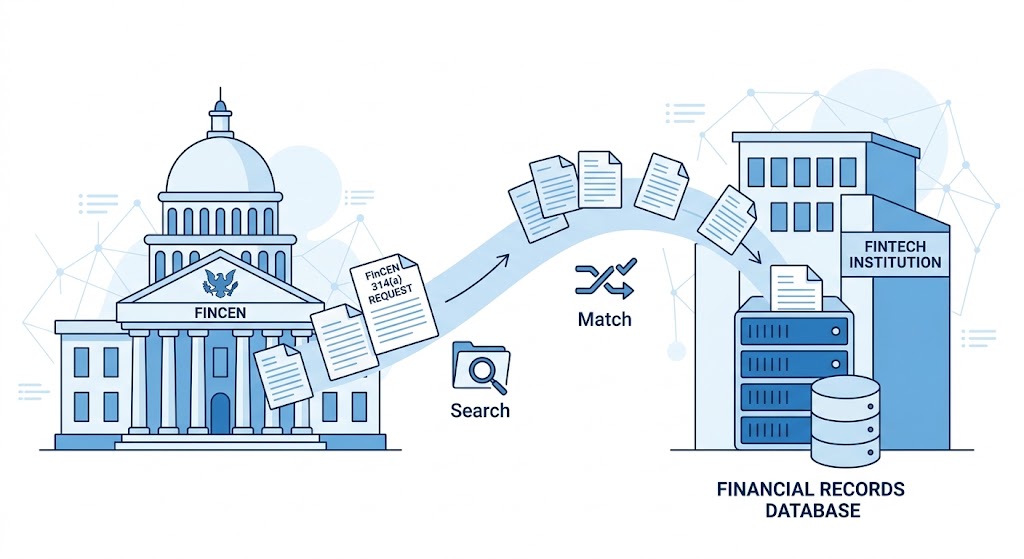
All customers must be screened against OFAC's sanctions lists, FinCEN's 314(a) list, and other applicable watchlists at onboarding and on an ongoing basis.
Blockchain-Specific KYC Challenges
Crypto KYC presents challenges not faced in traditional finance. Pseudonymous blockchain addresses make initial customer identification non-trivial. Cross-border transactions happen instantly and involve counterparties at unregulated or differently-regulated exchanges. Decentralized finance protocols create questions about which entity bears KYC obligations when there is no central operator.
Blockchain Analytics as a KYC Tool
Blockchain analytics tools — which trace the origin and destination of crypto funds on-chain — are an increasingly standard component of crypto KYC programs. These tools can assess whether a customer's wallet has transacted with high-risk addresses — darknet markets, sanctioned entities, mixing services — providing additional risk signal that supplements traditional identity verification.
Wallet screening at onboarding and transaction screening on an ongoing basis are becoming standard practice for mature crypto compliance programs.
Frequently Asked Questions
Is KYC required for crypto-to-crypto transactions?
For regulated businesses — custodial exchanges, crypto payment processors, and similar — yes. KYC is required at the customer level regardless of whether transactions involve fiat currency or are purely crypto-to-crypto. The obligation is triggered by the business relationship, not the transaction type.
What is the difference between KYC and blockchain analytics?
KYC verifies who your customer is as an individual or entity. Blockchain analytics assesses the risk profile of the wallet addresses and transactions associated with that customer. They are complementary tools — KYC tells you who you're doing business with; blockchain analytics tells you something about the provenance and destination of the funds they are transacting with.
What happens if a crypto customer fails KYC?
Customers who cannot be successfully identified and verified should not be permitted to use your platform. If a customer fails KYC and there are indicators suggesting attempted fraud or illicit activity, the situation may require a Suspicious Activity Report filing even though the customer did not successfully onboard.
How ComplyOne Helps
ComplyOne helps crypto companies design and implement KYC programs — from customer identification procedures through ongoing monitoring, blockchain analytics integration, and SAR filing — through advisory services, compliance technology, or both.
Talk to the ComplyOne team to get started.
The information in this article is for general educational purposes and does not constitute legal or regulatory advice. Consult a qualified compliance professional for guidance specific to your situation.