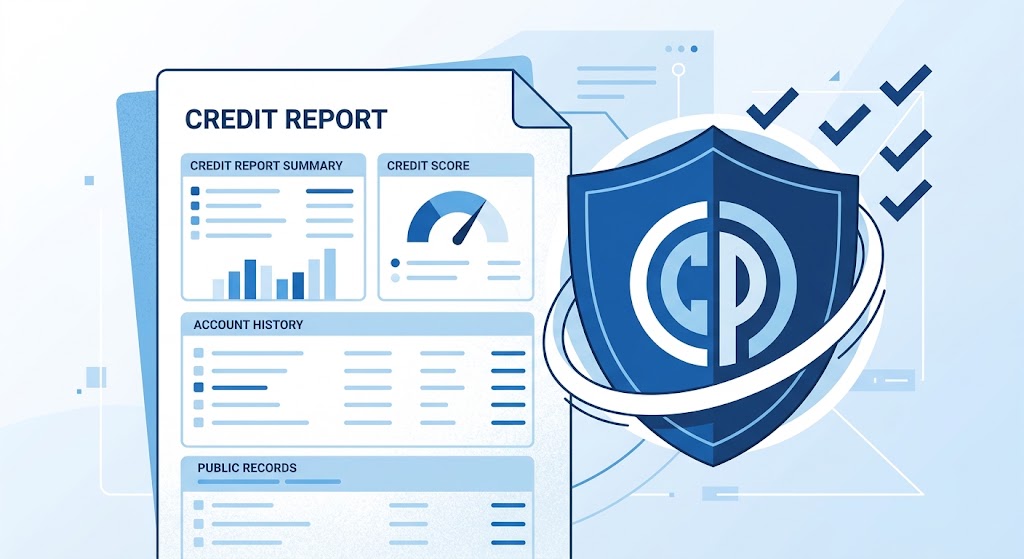
The Fair Credit Reporting Act (FCRA) governs how consumer credit information can be collected, used, and shared. For fintechs that use credit reports or background checks in underwriting or onboarding, FCRA compliance is essential. This guide explains what the FCRA requires.
What Is the FCRA? A Fintech Compliance Guide
If your fintech uses credit reports, background checks, or consumer data from credit reporting agencies — in underwriting, fraud screening, or KYC — the Fair Credit Reporting Act (FCRA) applies to you.
The FCRA is one of the most important consumer protection statutes in US financial services. Getting it wrong can result in class action lawsuits, regulatory enforcement, and significant reputational harm.
What Is the Fair Credit Reporting Act?
The Fair Credit Reporting Act (FCRA), enacted in 1970 and substantially amended several times since, is a federal law that governs the collection, use, and sharing of consumer credit information. It's enforced by the Federal Trade Commission (FTC) and the Consumer Financial Protection Bureau (CFPB).
The FCRA is designed to:
- Ensure the accuracy and fairness of consumer credit reporting
- Protect consumer privacy in relation to credit data
- Give consumers the right to know what's in their credit report and to dispute errors
- Limit who can access credit reports and for what purposes
Who Does the FCRA Apply To?
The FCRA applies to two main categories of entities:
Consumer Reporting Agencies (CRAs)
Any entity that assembles or evaluates consumer credit information for the purpose of providing reports to third parties. The three major credit bureaus (Equifax, Experian, TransUnion) are CRAs, as are specialty reporting agencies that collect data on tenant history, employment history, check-writing behavior, and similar consumer information.
Users of Consumer Reports
Anyone who obtains or uses consumer reports from a CRA — including fintechs that pull credit reports for lending decisions, background check data for employment, or credit header data for identity verification.
If your fintech pulls any data from a regulated consumer reporting agency, you are a "user" under the FCRA and have specific compliance obligations.
Key FCRA Requirements for Fintechs
Permissible Purpose
You may only access a consumer report if you have a permissible purpose under the FCRA. Permissible purposes include:
- Credit transactions initiated by the consumer
- Employment purposes (with consumer authorization)
- Underwriting insurance
- Legitimate business need in connection with a business transaction initiated by the consumer
- Account review (for existing customers)
You cannot pull a credit report out of general curiosity or for purposes not authorized by the FCRA. Using credit data outside of a permissible purpose is a violation.
Adverse Action Requirements
If you take an adverse action — denying a credit application, increasing the cost of credit, or terminating an account — based in whole or in part on information in a consumer report, you must:
- Provide the consumer with an adverse action notice
- Identify the CRA that provided the report
- Inform the consumer of their right to obtain a free copy of their report
- Inform the consumer of their right to dispute inaccurate information
The adverse action notice must be provided promptly — generally within a reasonable time of the decision.
Disclosure and Consent (for Employment)
For employment-related reports, the FCRA requires specific advance disclosure to the consumer that a report will be obtained, and written authorization from the consumer before the report is pulled.
Data Security and Disposal
The FCRA requires proper disposal of consumer report information. Consumer report data must be destroyed so it cannot be reconstructed — physical records must be shredded; electronic records must be securely deleted.
Furnishers of Information
If your fintech reports data about consumers to credit bureaus — for example, reporting loan payment history — you become a "furnisher" under the FCRA, with additional obligations around accuracy, dispute handling, and correction of reported information.
The FCRA and Fintech KYC
A common compliance question for fintechs: does using credit header data (name, address, date of birth) for identity verification trigger FCRA requirements?
The answer depends on the source of the data and how it's used. Credit header data used purely for identity verification purposes — not for credit evaluation — may fall under a limited-purpose exception, but the analysis is fact-specific. Consult legal counsel before assuming credit header data used in KYC is outside the FCRA.
FCRA Enforcement and Penalties
FCRA violations can be enforced by:
- The CFPB (for financial institutions with assets over $10 billion or certain other entities)
- The FTC (for most other entities)
- State attorneys general
- Private plaintiffs — the FCRA has a private right of action, and class action lawsuits under the FCRA are common
Civil penalties can include actual damages, statutory damages of $100–$1,000 per willful violation, punitive damages, and attorneys' fees. The private right of action makes FCRA compliance especially important — class action exposure can be significant for fintechs with large customer bases.
Frequently Asked Questions
Does the FCRA apply to business credit reports?
Generally, no. The FCRA applies to consumer reports — reports on individuals (consumers). Business credit reports for commercial transactions are typically outside the FCRA's scope, though related state laws may apply.
Does pulling a "soft" credit inquiry trigger FCRA requirements?
Yes. The FCRA governs all consumer report inquiries, whether hard or soft. The permissible purpose requirement applies regardless of whether the inquiry affects the consumer's credit score.
What if I use a third-party vendor to run credit checks?
Using a vendor doesn't eliminate your FCRA obligations as a user. You remain responsible for ensuring you have a permissible purpose, complying with adverse action requirements, and ensuring proper data disposal. Review your vendor agreements to understand who is responsible for each compliance element.
Does state law add requirements beyond the FCRA?
Yes. Several states have credit reporting laws that impose requirements beyond the federal FCRA — particularly around consumer notification, dispute rights, and the permissible uses of credit data. California and New York, in particular, have more expansive state-level protections.
This article is for educational purposes only and does not constitute legal or compliance advice. Regulations vary by jurisdiction and change frequently. Consult a qualified compliance professional or legal counsel for guidance specific to your business.