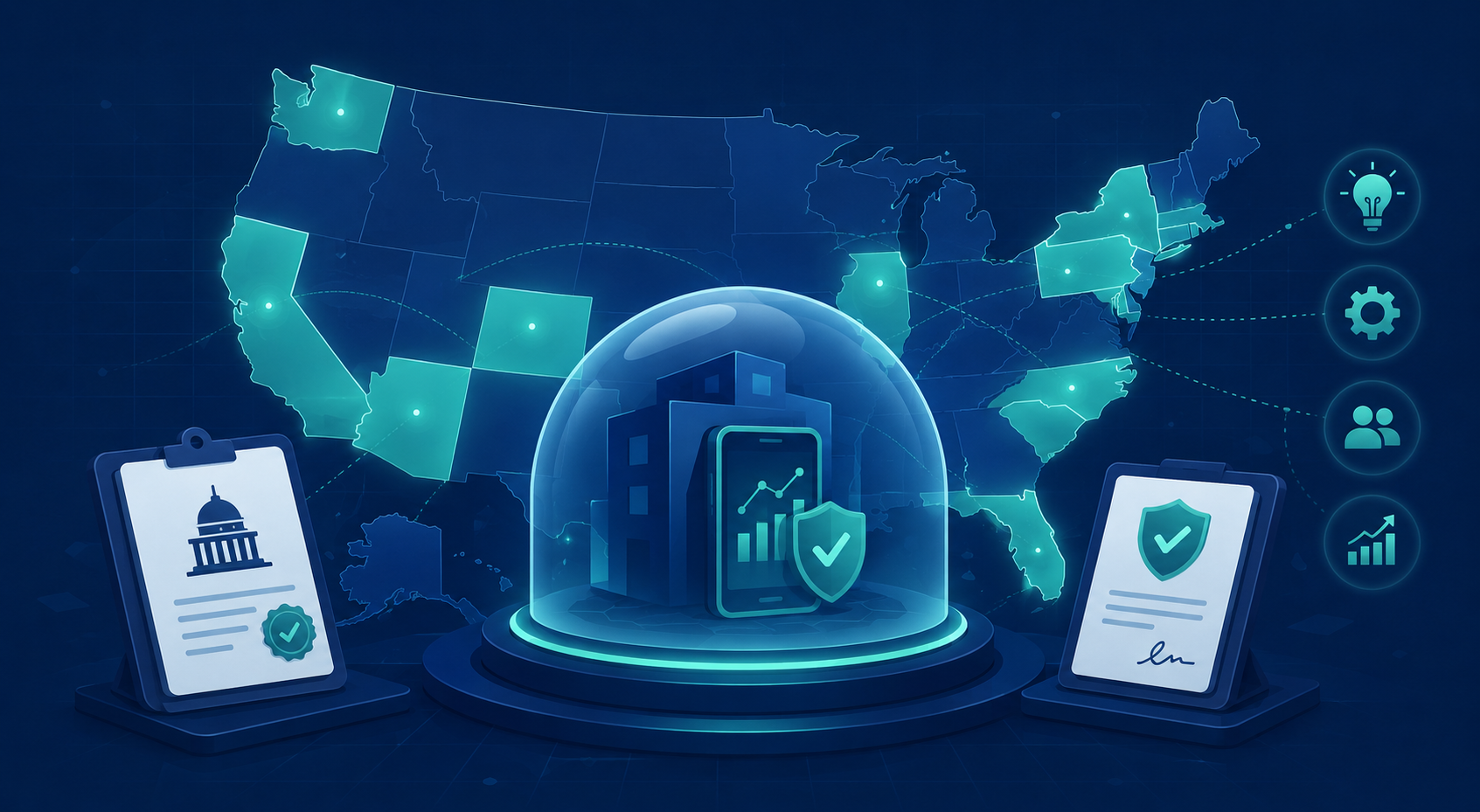
Regulatory sandboxes allow fintechs to test innovative products with limited regulatory requirements for a defined period. Here is which U.S. states have sandbox programs, what they offer, and how to apply.
Fintech Regulatory Sandbox: Which U.S. States Have Programs
Regulatory sandboxes are programs that allow companies to test innovative financial products and services with reduced regulatory requirements — or a temporary waiver of licensing requirements — for a defined period and with limited consumer exposure. The sandbox concept is designed to solve a specific problem: when a new product does not fit neatly into existing regulatory frameworks, the normal regulatory process can create barriers to innovation that prevent beneficial new products from reaching consumers.
In the United States, regulatory sandbox programs exist at the state level. No comprehensive federal fintech sandbox currently exists, though the CFPB has operated no-action letter programs and innovation guidance initiatives. This guide covers which states have operational sandbox programs and what they offer.
Arizona — The Pioneer U.S. Fintech Sandbox
Arizona was the first U.S. state to enact a formal fintech regulatory sandbox, establishing its program in 2018. The Arizona sandbox allows companies to test innovative financial products and services for up to two years with up to 10,000 customers — with waivers from specific state licensing requirements and certain regulatory obligations during the testing period.
Companies accepted into the Arizona sandbox are not exempt from all compliance obligations — consumer protection requirements and basic disclosures still apply. But the licensing burden is reduced during the testing window, giving companies the runway to validate their product before committing to a full licensing process.
After the sandbox period, companies must either obtain applicable licenses or cease operations in Arizona. The sandbox provides the testing period — not a permanent exemption.
Utah
Utah established its fintech regulatory sandbox program through the Utah Department of Financial Institutions and Utah Department of Insurance. The Utah program allows eligible companies to test innovative financial services for 24 months with limited consumer counts and transaction volumes during the testing period.
Utah's program is notable for having relatively streamlined application requirements compared to some other states, and the state's regulatory agencies have been accessible to sandbox applicants.
Wyoming
Wyoming, broadly regarded as one of the most crypto and fintech-friendly regulatory environments in the U.S., has enacted several innovation-supportive regulatory frameworks. Wyoming's Special Purpose Depository Institution charter is not technically a sandbox — it is a full bank charter — but it provides a regulatory pathway specifically designed for fintech and crypto companies that want bank-level regulatory coverage without obtaining a traditional bank charter.
Wyoming also participates in multistate innovation efforts and has been open to working with fintechs that need licensing solutions appropriate to novel business models.
West Virginia
West Virginia enacted a financial technology regulatory sandbox law modeled on the Arizona framework, allowing eligible companies to test innovative financial products for up to 24 months with limited consumer exposure and regulatory waivers during the testing period.
Nevada
Nevada established an office of innovation within its regulatory framework to facilitate engagement between fintech companies and state regulators. While Nevada's program has evolved since its inception, it reflects the broader trend of states creating innovation-specific regulatory pathways for fintech companies.
Other State Programs
Several additional states have enacted or are developing sandbox or innovation programs. Kentucky, Idaho, Florida, North Carolina, and Georgia have enacted various forms of fintech innovation frameworks or regulatory relief programs. The specific scope, duration, and requirements of each program vary — some are robust sandbox programs with meaningful regulatory relief while others are more limited in scope.
The CFPB's Federal Innovation Programs
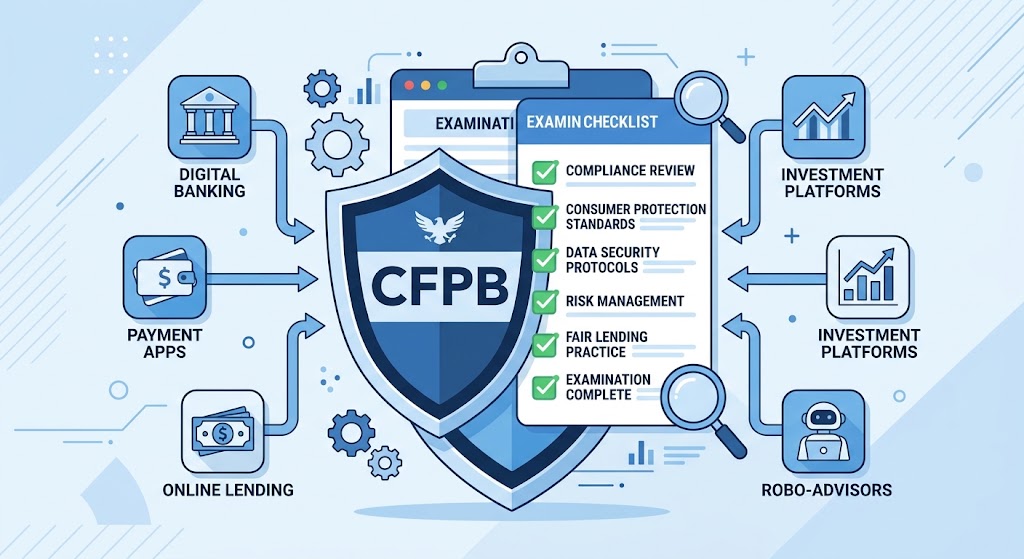
At the federal level, the CFPB has operated no-action letter programs and policy guidance designed to provide regulatory clarity for innovative fintech products without the force of law. These programs have not functioned as true sandboxes with licensing waivers — but they have provided some fintechs with guidance that reduces regulatory uncertainty for novel product approaches.
What Sandboxes Actually Offer — and Their Limits
Regulatory sandboxes are valuable for a specific use case: a company with a genuinely novel product that does not fit clearly into existing regulatory frameworks and that needs a defined period to test with real consumers before committing to a full licensing and compliance program buildout.
Sandboxes do not eliminate compliance obligations — consumer protection requirements still apply, and companies must exit the sandbox into full compliance. Sandboxes also have geographic limitations — approval in Arizona's sandbox does not affect licensing requirements in California, New York, or any other state. A company that tests in a sandbox still needs to build a full licensing strategy for nationwide operation.
For fintechs with products that do fit existing regulatory frameworks, the sandbox path is typically not more efficient than direct licensing and compliance program development. For a framework on building a direct licensing strategy, see our guide on licensing strategy.
Frequently Asked Questions
How do I apply to a state regulatory sandbox?
Application processes vary by state. Most sandbox programs require a written application describing the company, the product being tested, the specific regulatory waivers being requested, the planned consumer protections during the testing period, and the exit strategy for obtaining full licensure after the sandbox period. Applications are reviewed by the relevant state regulatory agency, and some programs require an interview or additional information before admission is granted.
Can I operate in a sandbox state while applying for licenses in other states?
Yes. Sandbox acceptance in one state only affects your obligations in that state. You can simultaneously pursue licensing in other states while operating under sandbox coverage in the sandbox state. In fact, this is the typical use case — using the sandbox period to refine the product and build the compliance infrastructure that will support a broader licensing effort.
Are there consumer limits in sandbox programs?
Most sandbox programs impose limits on the number of consumers or transaction volumes during the testing period — this is part of what makes them sandboxes rather than full operational licenses. Arizona's program limits to 10,000 consumers. Other states have different limits. Understanding these constraints is important when evaluating whether a sandbox program is suitable for your testing needs.
How ComplyOne Helps
ComplyOne helps fintechs evaluate whether a regulatory sandbox is the right path for their product, prepare sandbox applications for state programs, and build the compliance programs needed to transition from sandbox to full licensure — through advisory services and compliance technology.
Talk to the ComplyOne team to get started.
The information in this article is for general educational purposes and does not constitute legal or regulatory advice. State sandbox programs change frequently. Consult qualified legal counsel for current information on specific programs and your eligibility.