Chargebacks are a major compliance and financial risk for fintechs. This guide explains how chargeback rules work, what card networks require, how excessive chargebacks trigger monitoring programs, and what fintechs must do to stay compliant.
What Is Chargeback Compliance? A Guide for Fintechs
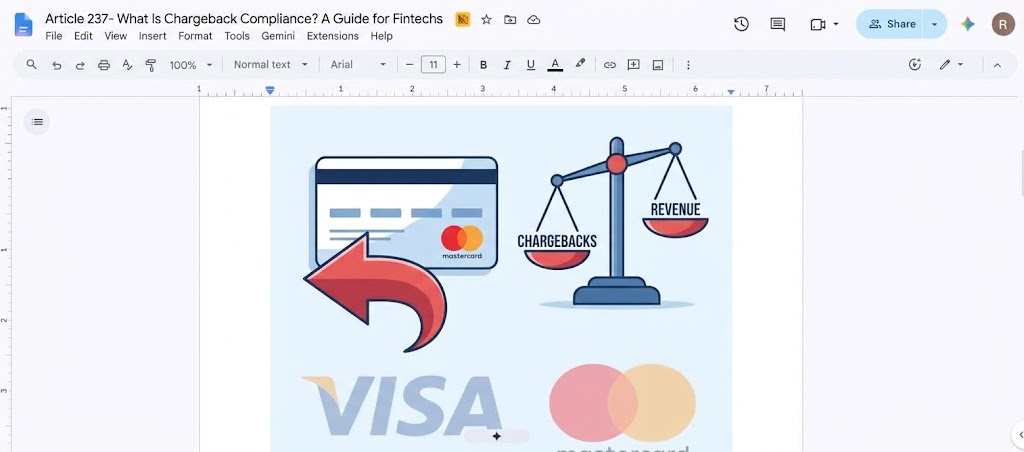
Chargebacks — the reversal of a payment transaction initiated by a cardholder's bank — are one of the most significant operational and compliance risks for fintechs that process card payments. Card networks impose strict rules on chargeback rates, and fintechs that exceed defined thresholds face fines, mandatory remediation programs, and ultimately the loss of card acceptance privileges. Understanding chargeback compliance is essential for any fintech operating in the payments space.
How Chargebacks Work
A chargeback occurs when a cardholder disputes a transaction with their issuing bank rather than resolving the dispute directly with the merchant. The chargeback process generally follows these steps:
- The cardholder contacts their bank to dispute a transaction
- The issuing bank provisionally credits the cardholder and initiates a chargeback
- The funds are debited from the acquiring bank (the bank that processes the merchant's transactions) and charged back to the merchant
- The merchant (or the fintech platform facilitating the transaction) can dispute the chargeback by submitting evidence — this is called representment
- If representment is successful, the funds are returned; if not, the chargeback stands
Chargebacks arise from several common reasons, each tracked under network-specific reason codes: fraud (the card was used without authorization), credit not processed (a refund was owed but not issued), goods/services not received, goods/services not as described, or processing errors.
Card Network Chargeback Rules
Visa and Mastercard publish detailed chargeback rules that merchants and acquiring banks must follow. These rules govern the timeframes for disputes, the documentation required for representment, and the chargeback ratio thresholds that trigger escalation programs. Fintechs processing card payments — whether directly or through a payment facilitator — are subject to these network rules.
Chargeback Ratio Thresholds
Card networks monitor chargeback ratios — the number of chargebacks in a given month divided by the number of transactions in that month. When ratios exceed defined thresholds, merchants are enrolled in monitoring programs that carry significant consequences.
For the most current threshold figures and program details, fintechs should consult Visa's operating regulations and Mastercard's chargeback guide directly, as these thresholds are updated periodically by the networks. General program structures include:
- Visa Dispute Monitoring Program (VDMP): Targets merchants with elevated fraud-related and non-fraud chargebacks. Merchants in the program for extended periods face fines and potential termination.
- Visa Fraud Monitoring Program (VFMP): Specifically targets fraud-related chargebacks and applies its own escalating consequences.
- Mastercard Excessive Chargeback Program (ECP): Monitors merchants whose monthly chargeback ratio exceeds network thresholds, with escalating fees and potential restriction from accepting Mastercard.
Chargeback Compliance for Payment Facilitators and Fintechs
Fintechs that operate as payment facilitators (PayFacs) or that sponsor merchants on their platform carry a higher level of chargeback responsibility than direct merchants. As a PayFac, the fintech is the merchant of record with the acquiring bank — which means chargeback activity across the entire sub-merchant portfolio is aggregated and attributed to the PayFac.
This creates a compliance obligation that goes beyond the fintech's own transactions. PayFacs must:
- Monitor chargeback ratios at both the portfolio level and the individual sub-merchant level
- Identify sub-merchants with elevated chargeback activity and take corrective action — up to and including offboarding high-risk merchants
- Maintain records and dispute evidence for chargeback representment
- Ensure sub-merchants are onboarded with accurate business category codes (MCCs) — miscoding inflates chargebacks
Building a Chargeback Compliance Program
A practical chargeback compliance program for fintechs includes several components:
- Transaction monitoring: Real-time and batch monitoring of chargeback ratios by merchant, MCC, and transaction type to identify elevated risk before thresholds are breached
- Dispute management workflow: A defined process for reviewing incoming chargebacks, determining whether to accept or contest, and assembling representment evidence within network timeframes
- Fraud prevention controls: Strong authentication, 3D Secure where applicable, and velocity controls to reduce fraud-related chargebacks at the source
- Clear refund and return policies: Many chargebacks arise from consumer dissatisfaction that could have been resolved with a direct refund — clear policies and customer-facing dispute resolution reduce unnecessary chargebacks
- Sub-merchant oversight: For PayFacs, regular review of sub-merchant chargeback performance with defined action thresholds for remediation or offboarding
- Network program response: If enrolled in a monitoring program, a documented remediation plan submitted to the acquiring bank and card network
Chargebacks and BSA/AML Considerations
Elevated chargebacks — particularly fraud-related chargebacks — can be indicators of underlying illicit activity. Fintechs with AML compliance programs should consider chargeback patterns as part of their transaction monitoring. A spike in friendly fraud chargebacks from a particular merchant or customer segment may warrant a suspicious activity review.
Frequently Asked Questions
What is a healthy chargeback ratio for a fintech?
Card networks publish their own threshold triggers, but most compliance professionals target keeping chargeback ratios well below those thresholds as a buffer. The specific numbers are set by Visa and Mastercard in their operating regulations, which fintechs and their acquiring banks should review directly. Ratios vary significantly by vertical — high-risk verticals naturally see higher rates.
What happens if my chargeback ratio is too high?
Exceeding network thresholds triggers enrollment in a monitoring program. Consequences escalate the longer the issue persists: fines per chargeback, mandatory remediation plans, increased reserve requirements, and ultimately potential termination of card acceptance. Losing card acceptance is an existential threat for most fintechs — which is why proactive monitoring is critical.
What is friendly fraud?
Friendly fraud occurs when a legitimate cardholder disputes a valid transaction — either intentionally to avoid paying or mistakenly because they don't recognize the charge. Friendly fraud is a significant source of chargebacks for fintechs and can be contested through representment with evidence such as delivery confirmation, IP address records, or customer service logs.
How long does a fintech have to respond to a chargeback?
Network rules impose strict timeframes for responding to chargebacks — typically measured in calendar days from when the chargeback is received. Specific timeframes are defined in Visa and Mastercard's operating regulations and vary by dispute reason code. Acquiring banks typically notify merchants of chargebacks and set deadlines for representment.
This article is for educational purposes only and does not constitute legal or compliance advice. Card network rules are subject to change. Consult your acquiring bank and qualified compliance counsel for guidance specific to your business.