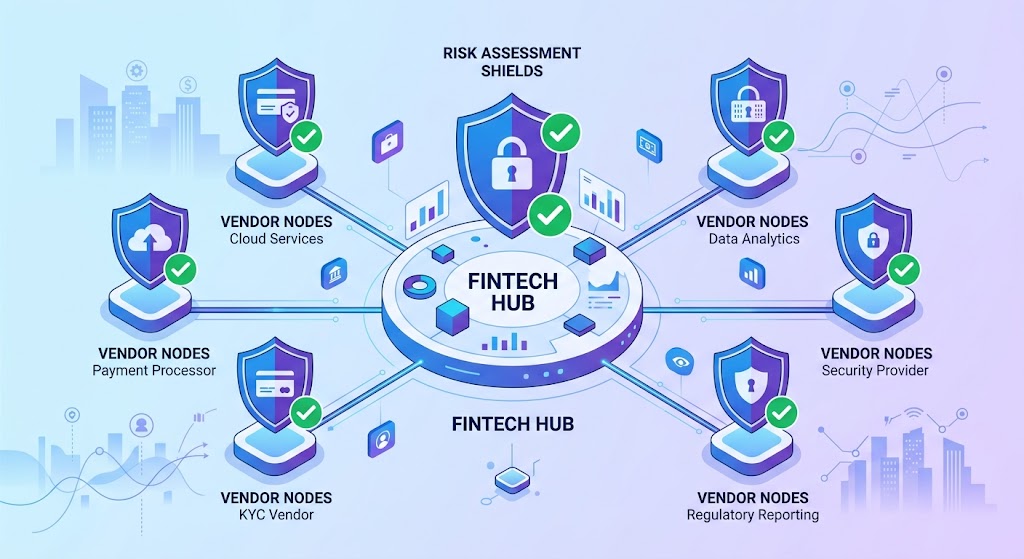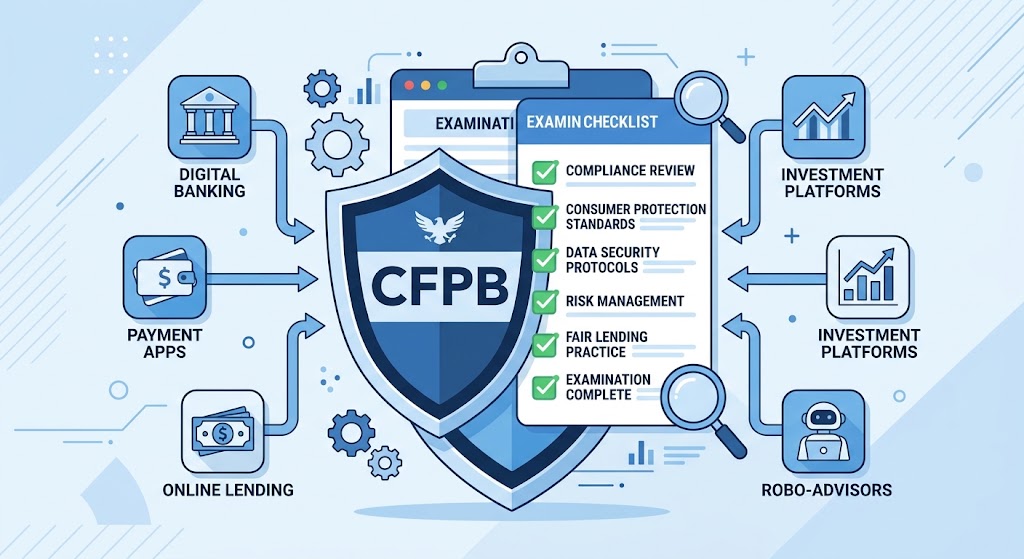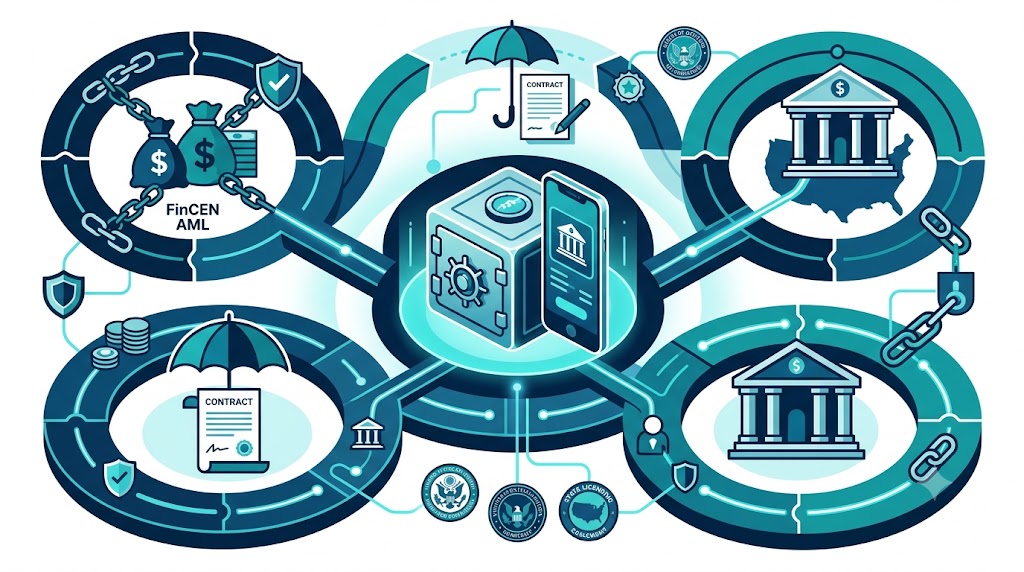
Fintechs that offer banking products face a comprehensive set of compliance obligations from FinCEN, the CFPB, state regulators, and their sponsor banks. Here is the full compliance picture for fintech banking products.
Fintech Banking Compliance: A Complete Guide
Fintechs that offer banking products — whether through their own charter, a bank partnership, or a BaaS arrangement — operate at the intersection of multiple regulatory frameworks. The compliance obligations are layered, overlapping, and extensive. Understanding the complete compliance picture is essential for any fintech offering accounts, cards, payments, or other banking-adjacent products.
The Core Compliance Frameworks
BSA/AML Requirements
Most fintech banking products involve money movement that triggers BSA compliance obligations. If the fintech qualifies as an MSB — which is common for fintechs facilitating money transfers, storing customer funds, or providing peer-to-peer payment functionality — it has independent BSA obligations including FinCEN registration, a written AML program, SAR filing, and all five required pillars.
Even fintechs that operate under a bank partner's BSA program must maintain their own independent compliance infrastructure — because the bank's program satisfies the bank's obligations, not the fintech's.
CFPB Consumer Protection Requirements
Fintechs offering consumer banking products face CFPB oversight through several frameworks. UDAAP — the prohibition on unfair, deceptive, or abusive acts or practices — applies to all consumer-facing financial products. Regulation E covers electronic fund transfers for consumer accounts including digital wallets and prepaid cards. The Prepaid Account Rule applies to prepaid accounts with specific disclosure and error resolution requirements. Regulation Z covers any consumer credit features.
Sponsor Bank Requirements
Fintechs operating through sponsor bank partnerships face the bank's compliance requirements in addition to independent regulatory obligations. Sponsor banks require documented AML programs, regular compliance reviews, notification of material business changes, and ongoing compliance reporting.
State Licensing
Fintechs conducting money transmission — which covers most consumer payment and account products — need money transmitter licenses in states where they serve customers. State licensing adds ongoing annual reporting, examination exposure, and compliance obligations to the regulatory picture.
Building a Unified Compliance Program
The most effective approach for fintech banking compliance is a unified compliance program that addresses all applicable frameworks within a single organized structure — rather than treating each framework as a separate compliance project.
A unified program has a single risk assessment that covers all applicable risks, a single policy framework covering all regulatory obligations, integrated technology that satisfies multiple compliance functions, and unified compliance governance that provides a single view of the compliance program.
Frequently Asked Questions
What is the most important compliance requirement for a fintech launching a consumer banking product?
The combination of BSA/AML program completeness and CFPB consumer protection compliance are typically the most critical at launch. Banks will not go live without a documented AML program. CFPB requirements affect your product design and disclosure obligations from day one. These two frameworks should be addressed before any consumer launches.
How ComplyOne Helps
ComplyOne helps fintechs building banking products navigate the complete compliance landscape — from AML program development through CFPB compliance and state licensing — through advisory services, compliance technology, or both.
Talk to the ComplyOne team to get started.
The information in this article is for general educational purposes and does not constitute legal or regulatory advice. Consult a qualified compliance professional for guidance specific to your situation.